



How to Layer Hair Extensions for the Most Natural Look
1. Introduction
Hair extensions are a game-changer for adding volume, length, and dimension, but when they aren’t layered correctly, they can look bulky, heavy, or obvious. The secret to a truly natural, salon-quality finish lies in proper layering and strategic placement. Well-layered extensions move like real hair, blend effortlessly with your natural strands, and eliminate harsh lines that give extensions away. Whether you’re wearing clip-ins for everyday styling, tape-ins for a seamless look, or wefts for long-term volume, mastering layering techniques can instantly elevate your results. In this guide, you’ll learn why layering matters, how to choose the right extensions, and exactly how to layer and blend them for a flawless, undetectable finish.
2. Why Layering Hair Extensions Is Important
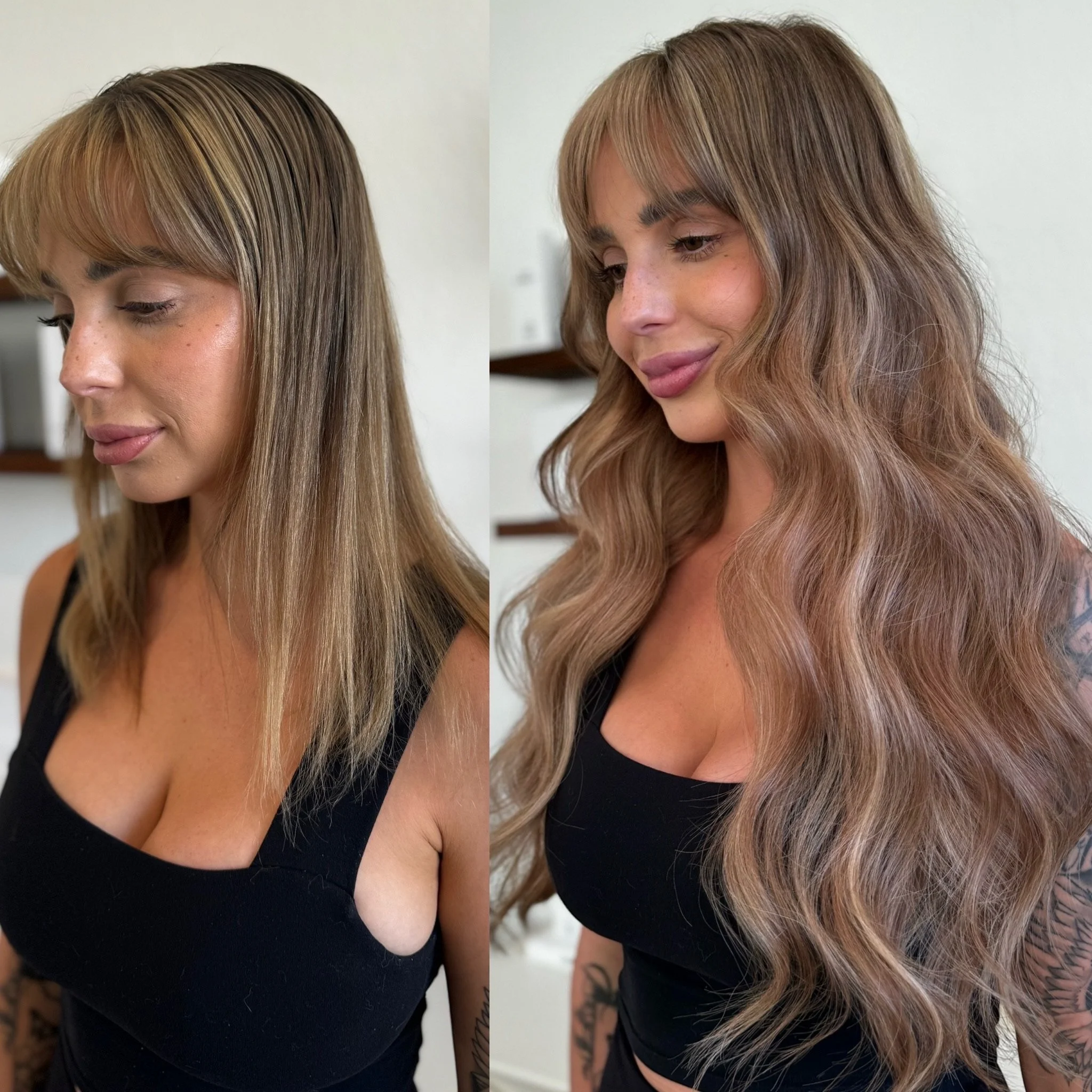
Layering is what separates natural-looking extensions from hair that looks stiff or artificial. When extensions are all one length, they create a blunt shelf effect that doesn’t match how real hair grows. Layering softens this transition, allowing extensions to blend invisibly with your own hair. It also adds movement and dimension, preventing hair from looking flat or heavy. Proper layering reduces bulk, especially for fine and medium hair types, while keeping volume where it belongs. It improves styling results too—waves, curls, and blowouts hold better and look more realistic when layers are present. Most importantly, layering mimics natural hair growth, which is never one uniform length, creating a lightweight, believable finish suitable for everyday wear or special occasions.
3. Choosing the Right Hair Extensions for Layering
Successful layering starts with choosing extensions that suit your hair type, density, and texture. Clip-in extensions are ideal for beginners because multiple wefts allow easy customization and controlled layering. Tape-in extensions are excellent for layering without bulk, as they lie flat against the scalp and blend smoothly, though they require professional installation. Sew-in or hand-tied wefts offer the most customization and are best for thicker hair or long-term wear. Matching thickness is critical—fine hair benefits from lightweight, single-drawn extensions to avoid heaviness, while thick hair blends better with double-drawn extensions that maintain fullness through the ends. Texture matters just as much; straight, wavy, or curly extensions should closely match your natural pattern to ensure seamless layering. For color, always match your ends rather than your roots, and consider balayage or multi-tonal shades to make blending easier and more natural.
4. Step-by-Step Guide to Layering Hair Extensions
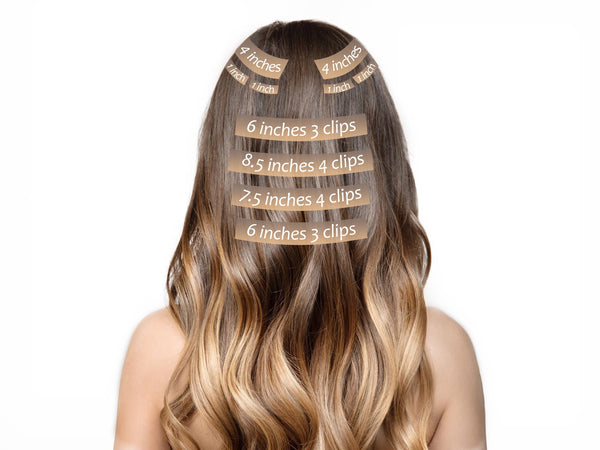
Start by preparing your natural hair. Hair should be clean, dry, and blow-dried smooth so extensions sit flat and blend properly. If your haircut is very blunt, lightly softening the ends of your natural hair helps prevent a sharp contrast. Begin placement by installing the longest wefts at the lowest section of your head, creating a natural cascading effect. As you move upward, switch to thinner or shorter wefts to build layers gradually without adding bulk. Avoid placing too many extensions near the crown, as this can cause visible bumps and an unnatural shape. Once extensions are installed, blending is key. Use a razor or thinning scissors rather than blunt scissors to soften the ends. Point-cutting with small upward snips creates a feathered transition between your hair and the extensions. Adding subtle face-framing layers further enhances the blend and makes the result look intentional and polished.
5. Styling Tips for Layered Extensions
Styling plays a major role in showcasing layered extensions. Soft waves or loose curls enhance dimension and help layers melt together naturally. Completely straight, blunt styles tend to highlight weft lines, so if you prefer straight hair, add a slight bend at the ends for softness. Light teasing at the roots where extensions are placed can help conceal attachment points and add lift. A texturizing spray is especially effective for layered extensions, adding grip, movement, and separation so hair doesn’t look too uniform or flat. With the right styling approach, layers appear intentional, airy, and natural.
6. Common Layering Mistakes to Avoid
One of the most common mistakes is cutting too much too quickly. Always start conservatively and adjust gradually, as length cannot be restored once removed. Placing extensions too high on the head is another frequent issue, making wefts visible and creating unnatural volume at the crown. Overloading the hair with thick wefts can cause heaviness at the bottom while leaving the top flat, disrupting balance. Finally, using regular scissors instead of a razor or thinning shears often results in blunt, choppy lines that don’t blend well. Avoiding these mistakes ensures your extensions look seamless rather than obvious.
7. Best Hairstyles to Show Off Layered Extensions
Layered extensions shine in styles that emphasize movement and shape. Soft beach waves highlight dimension and create an effortless, natural flow. Layered ponytails look fuller and bouncier, especially when worn high or mid-level. Face-framing styles enhance blending around the front, making extensions virtually invisible. Side-swept curls add drama and showcase layered length beautifully, making them ideal for formal events or special occasions. These styles allow layered extensions to look intentional, voluminous, and refined.
8. FAQs About Layering Hair Extensions
Layering synthetic extensions is possible, but human hair extensions provide the most natural results and styling flexibility. Professional layering is recommended for the best outcome, though careful DIY layering can work with proper tools and patience. To prevent choppy layers, always use a razor or thinning shears instead of cutting straight across. When done correctly, layering does not make extensions thinner; it enhances movement and shape while preserving overall volume.

9. Conclusion
Layering is the defining factor that transforms hair extensions from bulky and obvious into natural and flawless. With the right extensions, thoughtful placement, and proper blending techniques, you can achieve effortless volume, realistic movement, and a seamless finish that mimics natural hair. Whether you choose clip-ins for flexibility, tape-ins for invisibility, or wefts for long-term wear, layering is essential for professional-looking results. When extensions are layered correctly, they don’t just add length—they become indistinguishable from your own hair, giving you confidence in every style you wear.


