



How To Dye Hair Extensions: A Complete Guide For The Best Results
Introduction
Dyeing hair extensions can completely transform your look, allowing you to customize color, refresh faded tones, or create a seamless blend with your natural hair. When done correctly, dyed hair extensions can look just as rich, dimensional, and polished as professionally colored hair. When done incorrectly, however, extensions can become dry, patchy, or permanently damaged. Unlike natural hair, extensions do not receive oils from the scalp, and most have already undergone chemical processing before reaching you. This means they react differently to dye and require a more controlled, informed approach. Whether you are working with human hair or synthetic pieces from the hair extensions collection at https://www.fabulive.com/collections/hair-extensions, understanding the fundamentals of extension dyeing is essential for achieving beautiful, long-lasting results without compromising quality.
Can You Dye Hair Extensions Understanding Extension Types
Before dyeing anything, identifying the type of hair extensions you own is critical because this determines whether dyeing is possible at all. Human hair extensions can generally be dyed because they behave similarly to natural hair, especially when they are high quality. Remy human hair extensions, in particular, retain their cuticle alignment, which allows for more even color absorption and better longevity after dyeing. However, most human hair extensions are pre-processed, meaning they have already been lightened or treated, making them more porous and sensitive. Synthetic hair extensions, on the other hand, cannot be dyed using traditional hair dye because synthetic fibers do not absorb pigment in the same way. Products such as synthetic wavy ombre blonde clip extensions at https://www.fabulive.com/products/synthetic-wavy-ombre-blonde-clip-extension should never be treated with ammonia- or peroxide-based dye. Full synthetic sets like https://www.fabulive.com/products/synthetic-full-hair-extensions and clip-in styles such as https://www.fabulive.com/products/4pcs-clip-in-hair-extensions-long-wave-thick-synthetic-hairpieces require specialized coloring methods and should only be tinted using fabric dye or synthetic-safe techniques, with realistic expectations about results.
Choosing The Right Dye For Hair Extensions
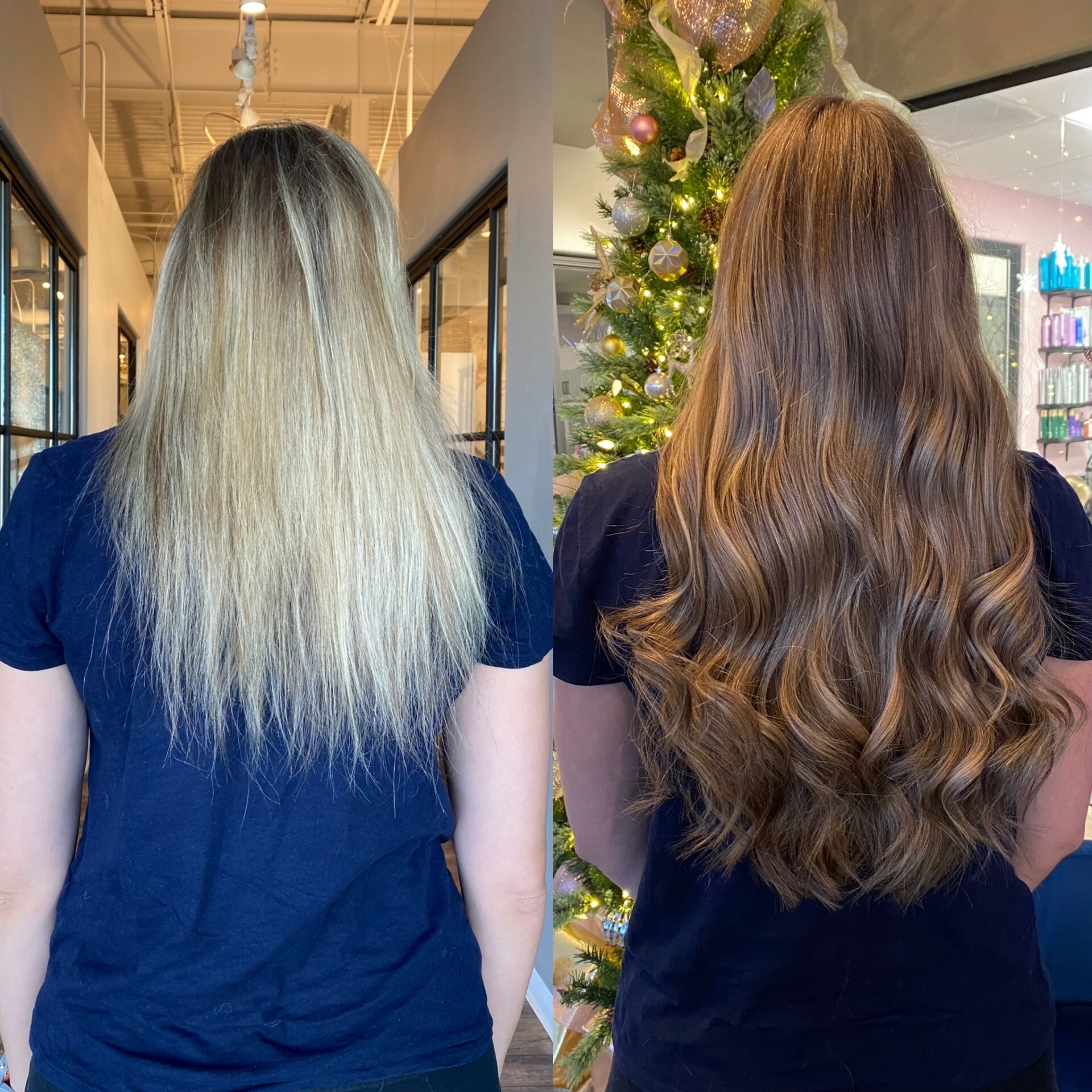
Selecting the correct dye is one of the most important decisions in the entire process. Permanent hair dye is best used only for darkening human hair extensions and should never be used to lighten them, as extensions cannot be lifted safely the way natural hair can. Semi-permanent and demi-permanent dyes are often the safest option because they deposit color without aggressive chemicals, making them ideal for toning, refreshing faded shades, or enhancing richness. For synthetic extensions, traditional dye will not work, and only fabric dyes or alcohol-based methods may provide temporary color changes. Avoid harsh box dyes with high ammonia content and opt for professional-grade color whenever possible to maintain softness and shine.
Preparing Hair Extensions Before Dyeing
Preparation is the foundation of successful extension dyeing. Begin by washing the extensions with a gentle clarifying shampoo to remove silicone coatings, styling residue, or factory treatments that may block pigment absorption. Do not apply conditioner before dyeing, as it can prevent color from penetrating evenly. After washing, allow the extensions to air-dry completely and detangle them carefully using a wide-tooth comb. Lay them flat or hang them securely using clips so the dye can be applied evenly. Always perform a strand test before full application to assess color development, processing time, and porosity. This step alone can prevent irreversible mistakes.
How To Dye Human Hair Extensions Step By Step
To dye human hair extensions, start by mixing your chosen dye according to the manufacturer’s instructions while wearing gloves in a well-ventilated area. Apply the dye evenly, beginning at the mid-lengths and ends where hair is usually more porous, then lightly coat the top. Avoid saturating the wefts or attachment points, as excess moisture can weaken them. Process the dye for less time than you would on natural hair because extensions absorb pigment more quickly. Check color development frequently to avoid over-darkening. Once the desired shade is achieved, rinse thoroughly with cool water until the water runs clear. Follow with a deep conditioning mask to restore moisture, then allow the extensions to air-dry fully before styling.
Toning And Refreshing Extension Color
If you do not want a dramatic color change, toning or refreshing is often a better option than full dyeing. Purple or blue toning shampoos and masks can neutralize brassiness in blonde or ash-toned extensions, while semi-permanent glosses can revive dull shades and add shine. This method is gentler and helps maintain the integrity of the hair, especially for lighter or pre-colored extensions.

Dyeing Synthetic Hair Extensions What Actually Works
Synthetic hair extensions cannot be dyed with standard hair dye, but some color adjustment may be possible using fabric dye or alcohol ink methods. These techniques involve controlled application and, in some cases, hot water baths, but results are unpredictable and darker shades work better than lighter ones. Heat can warp synthetic fibers, and color may fade unevenly over time. For this reason, choosing the correct synthetic shade from the start is often the safest and most effective approach.
Common Mistakes When Dyeing Hair Extensions
One of the most damaging mistakes is attempting to bleach or lighten extensions, which leads to severe dryness and breakage. Skipping strand tests often results in uneven or unexpected color, while leaving dye on too long can cause dullness and brittleness. Dyeing extensions too frequently shortens their lifespan significantly. Extensions are an investment, and conservative coloring practices preserve their beauty and longevity.
Styling And Caring For Dyed Hair Extensions
After dyeing, dyed extensions require extra hydration and gentle care. Use sulfate-free shampoos, rich conditioners, and deep masks regularly. Limit heat styling and always apply a heat protectant. Dyed extensions look especially polished when styled in refined looks like those featured in https://www.fabulive.com/blogs/news/preppy-hair-goals-the-ultimate-guide-to-polished-chic-hairstyles or timeless designs from https://www.fabulive.com/blogs/news/retro-hair-how-to-nail-a-vintage-look-with-extensions. Proper care ensures color stays vibrant and hair remains soft.
How Dyeing Affects Longevity And Quality
Color-treated extensions typically have a shorter lifespan than virgin hair because dye alters the hair’s structure. Choosing high-quality hair, such as Remy extensions explained in https://www.fabulive.com/blogs/news/remy-human-hair-extensions-what-they-are-why-they-re-worth-it, helps maintain smoothness and durability after coloring. Proper aftercare significantly extends usability.

When Not To Dye Hair Extensions
Avoid dyeing extensions that are already dry, shedding excessively, or heavily processed. In these cases, replacing the extensions is often more cost-effective than attempting restoration. For those considering embracing natural transitions instead of dyeing, resources like https://www.fabulive.com/blogs/news/reasons-to-embrace-your-gray-hair or historical-inspired styling from https://www.fabulive.com/blogs/news/reviving-elegance-recreating-historical-hairstyles-with-a-modern-twist offer inspiring alternatives.
Expert Advice On Safe Coloring Practices
Professional stylists consistently recommend low-and-slow processing, strand testing, and moisture-focused aftercare when dyeing extensions. Established beauty authorities such as https://www.allure.com and https://www.byrdie.com emphasize avoiding bleach and prioritizing hair health over dramatic color shifts.
Conclusion
Dyeing hair extensions can be incredibly rewarding when approached with the right knowledge and care. Understanding your extension type, choosing appropriate dye products, preparing thoroughly, and focusing on hydration after coloring are the keys to success. Human hair extensions can be safely darkened, toned, and refreshed, while synthetic extensions require specialized methods or should remain undyed. With patience and proper technique, dyed extensions can look seamless, luxurious, and beautifully customized. When in doubt, preserving hair health will always deliver better results than chasing extreme color changes.


