



How To Dry Hair Extensions The Right Way To Keep Them Looking Fresh
Introduction
Hair extensions instantly elevate your look, but their beauty depends heavily on how well they are cared for after washing. Among all maintenance steps, drying is one of the most overlooked—and one of the most damaging when done incorrectly. Whether you wear clip-ins for special occasions or semi-permanent extensions as part of your everyday routine, learning how to dry hair extensions the right way is essential for keeping them soft, shiny, and natural-looking. This complete guide walks you through safe, expert-approved drying techniques, explains why drying matters so much, and shows you how proper drying fits into a long-term hair extension care routine.
Why Drying Hair Extensions Correctly Is Non-Negotiable
Unlike natural hair, extensions do not receive oils from your scalp. This means every wash and dry cycle has a direct impact on their longevity. Improper drying can weaken wefts, loosen bonds, create frizz, and cause matting near the attachment points. Leaving extensions damp for too long can even lead to unpleasant odors and bacterial buildup. Correct drying preserves the hair cuticle, maintains smoothness, and ensures extensions continue to blend seamlessly with your natural hair.
Understanding Your Hair Extension Type Before Drying
Before choosing a drying method, it’s important to know what type of extensions you’re working with. Clip-ins can be removed and dried separately, while tape-ins, sew-ins, and micro-links must be dried carefully while attached. Human hair extensions—such as premium options found in the Fabulive hair extensions collection—can tolerate gentle heat when protected properly. Synthetic extensions, on the other hand, should almost always be air-dried to avoid heat damage. Matching the drying method to the extension type prevents unnecessary wear and tear.
Pre-Drying Steps That Protect Your Extensions
Drying begins the moment you finish washing. Gently squeeze excess water out of the hair using your hands—never twist or wring it. Use a microfiber towel or soft cotton T-shirt to blot moisture without creating friction. While the hair is still damp, detangle gently from the ends upward using a wide-tooth comb or extension-safe brush. This step is critical because wet hair is more elastic and prone to breakage.
How To Air-Dry Hair Extensions Safely
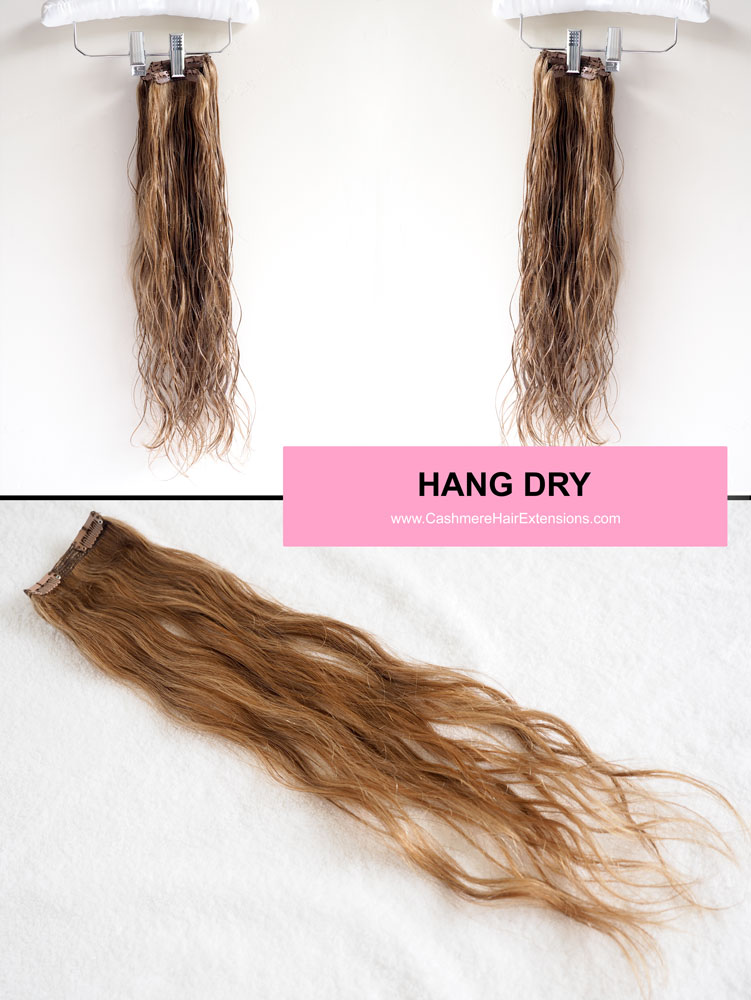
Air-drying is the gentlest and most recommended method for keeping extensions in excellent condition. For clip-in extensions, lay them flat on a clean towel in a well-ventilated area. Avoid hanging them while soaking wet, as the weight of the water can stretch the wefts. For permanent extensions, gently pat the roots dry and let the lengths dry naturally. Turn your head occasionally or lightly separate sections to allow airflow throughout the hair. Avoid direct sunlight, which can fade color and dry out strands over time.
When Blow-Drying Hair Extensions Makes Sense
Blow-drying can be safe for human hair extensions when done correctly and in moderation. Always apply a heat protectant before using any hot tools. Use a low to medium heat setting and keep the dryer moving to avoid concentrating heat in one spot. Direct airflow downward from root to tip to smooth the cuticle and reduce frizz. This method works especially well for sleek styles and straight textures, including classic looks featured in guides like how to achieve the perfect sleek and straight hair look.
Drying Curly And Wavy Hair Extensions Without Frizz
Textured extensions require special attention during drying to preserve their pattern. After washing, apply a lightweight leave-in conditioner or curl-enhancing cream while the hair is damp. Scrunch gently and allow the hair to air-dry whenever possible. If using a blow dryer, attach a diffuser and use low heat. This method helps maintain the integrity of wavy and curly styles, such as blonde wavy hair extensions and brown wavy hair extensions, without causing puffiness or frizz.
How Long Should Hair Extensions Take To Dry
Drying time depends on hair length, density, and method. Clip-in extensions laid flat may take several hours to fully air-dry, while semi-permanent extensions can take longer due to reduced airflow near the roots. Blow-drying speeds up the process, but extensions should never be styled or stored until they are completely dry. Moisture trapped inside wefts or bonds can cause long-term damage.
Common Drying Mistakes That Shorten Extension Lifespan
One of the biggest mistakes is sleeping with damp extensions, which leads to tangling and matting overnight. Using high heat without protection can permanently damage the hair cuticle. Storing wet extensions in bags or drawers encourages odor and mildew. Rough towel-drying and aggressive brushing while wet can stretch and snap strands. Avoiding these mistakes dramatically extends the life of your extensions.
Drying Extensions After Swimming Or Heavy Styling
If extensions get wet from swimming, sweat, or rain, rinse them promptly with clean water to remove chlorine, salt, or product residue. Follow proper drying steps immediately. Never leave extensions damp after exposure to pools or beaches, as chemicals and salt accelerate damage when combined with trapped moisture.
How Proper Drying Keeps Extensions Looking Fresh
Correct drying techniques preserve shine, reduce shedding, and prevent tangling. Extensions that dry smoothly blend better with natural hair and require less styling effort. Over time, consistent drying habits help extensions maintain a “new” appearance, saving money and reducing replacement frequency.

Drying And Styling Go Hand In Hand
Drying isn’t just about removing water—it’s part of styling. Smooth blow-drying enhances sleek looks, while air-drying supports natural texture. Once your extensions are dried properly, you can confidently recreate styles from guides like how to achieve the perfect festival look with hair extensions, how to achieve the perfect half-up half-down hairstyle with extensions, and how to achieve the perfect holiday hairstyle with extensions.
Short Hair And Extensions: Drying Matters Even More
When blending extensions with shorter cuts, precision drying is essential. Damp or unevenly dried extensions can make attachments more visible. Articles such as how to add hair extensions to a bob haircut without looking awkward and how to add hair extensions to a pixie cut is it possible highlight why smooth, complete drying is crucial for a natural finish.
Quality Extensions Respond Better To Proper Drying
High-quality extensions are more forgiving and longer-lasting when cared for correctly. Premium options like natural black human hair extensions hold up beautifully to gentle air-drying and low-heat blow-drying. Investing in quality hair means every drying session reinforces longevity instead of causing wear.
External Expert-Backed Hair Care Insights
Professional hairstylists and trichology experts consistently recommend minimizing heat and friction when drying both natural hair and extensions. According to educational resources from leading beauty authorities like Allure and professional salon care guides from Byrdie, gentle drying techniques are essential for maintaining hair health and preventing long-term damage. These expert-backed principles align closely with extension care best practices.
Drying As Part Of A Complete Extension Care Routine
Drying works best when combined with gentle washing, conditioning, mindful styling, and proper storage. When extensions are dried thoroughly and carefully, they tangle less, style faster, and maintain their softness longer. Over time, this routine becomes effortless and highly rewarding.
Final Thoughts On Drying Hair Extensions The Right Way
Learning how to dry hair extensions correctly is one of the simplest yet most powerful ways to protect your investment. Whether you air-dry or blow-dry, patience and gentleness are key. With the right techniques, your extensions will stay fresh, glossy, and beautifully blended every time you wear them.


