


SPECIFICATIONS
Composition: 100%
Craftsmanship: Other
Functional Use: Breathable
Material: Polyester
Occasion: Mature
Operation Instruction: Hand wash or professional dry clean
Style: classic
Suitable types: Elasticity
Type: Scarf
Weaving Method: Other
Whether There Are Feathers: No
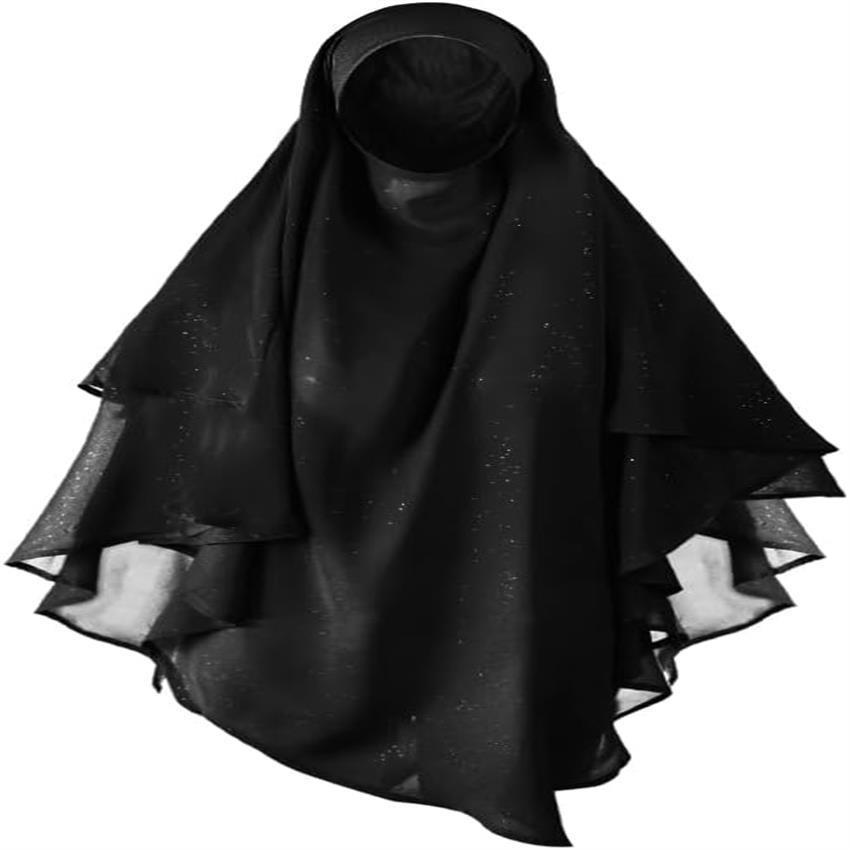
One-Piece Solid Ramadan Abaya Burkha – Modest Full-Length Prayer Dress with Hijab
The khimar, long regarded as one of the most iconic garments of Islamic attire, has carried an aura of dignity and sanctity for centuries. Its roots stretch deep into the earliest civilizations of the Middle East, where fabric was not only a tool for coverage but also a symbol of culture, status, and spirituality. The khimar was originally conceived as a long, flowing veil that draped gracefully over the shoulders, offering full coverage while allowing ease of movement. Unlike mere garments of necessity, the khimar carried within it an identity that transcended geography and time. Women across Arabia, North Africa, and South Asia embraced variations of the garment, each adapting it to climate, social customs, and regional artistry.
Through the centuries, the khimar became more than fabric; it was a declaration of faith, a symbol of modesty, and an expression of self-respect. When Islamic civilizations flourished, the khimar grew in refinement, crafted from delicate silks and fine woven cottons. Ornamentation, while subtle, often spoke of heritage. Intricate stitching, lightly woven textures, or understated embellishments gave each piece a unique cultural narrative. To wear it was not simply to conform, but to participate in a lineage of women who valued grace and modesty. That resonance remains strong today. A khimar continues to represent a bridge between tradition and modernity, offering women the ability to embrace modest fashion with both reverence and personal expression.
The niqab, often paired with the khimar, shares an equally rich heritage. Initially designed for environmental and cultural needs—shielding from sun, dust, and desert winds—it evolved into a garment of layered meaning. In many communities, it symbolized privacy, dignity, and a spiritual choice. Together, the khimar and niqab form a harmony of modest attire, balancing functionality with identity. Their history is not static but evolving, adapting to modern fabrics and designs while retaining the same ethos that guided their creation centuries ago.
A Modern Interpretation Of Timeless Modesty
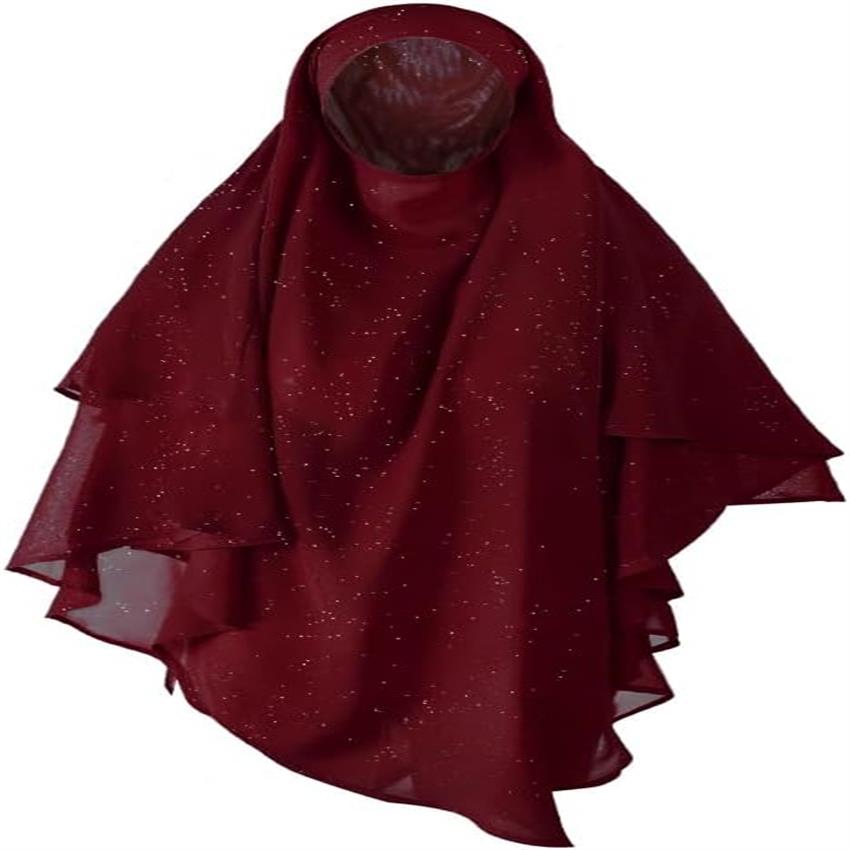
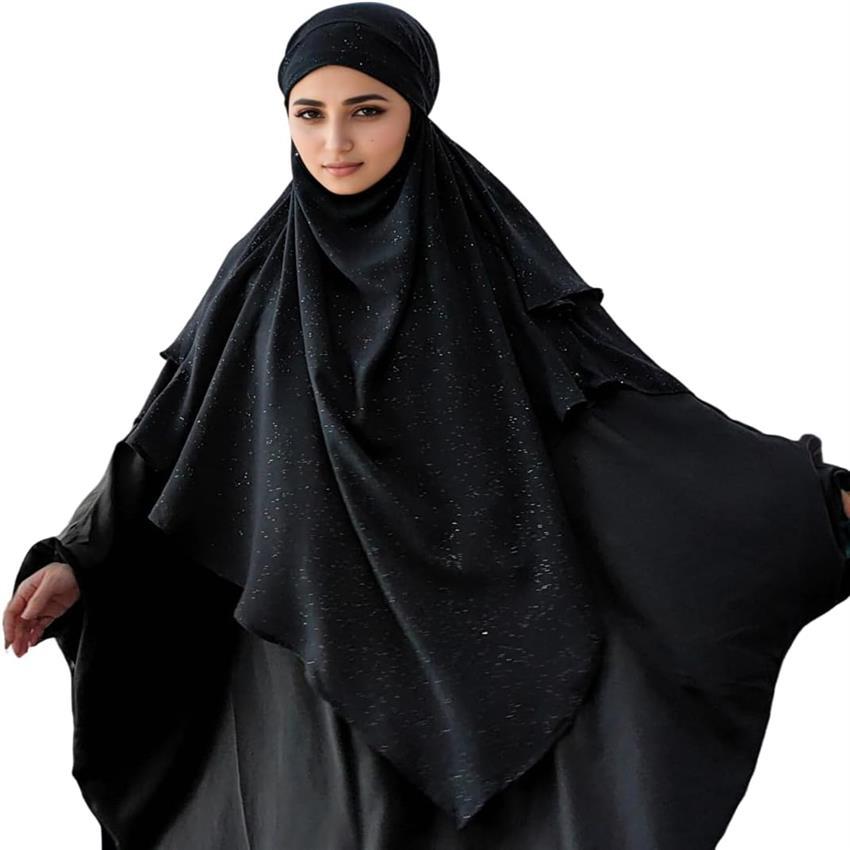
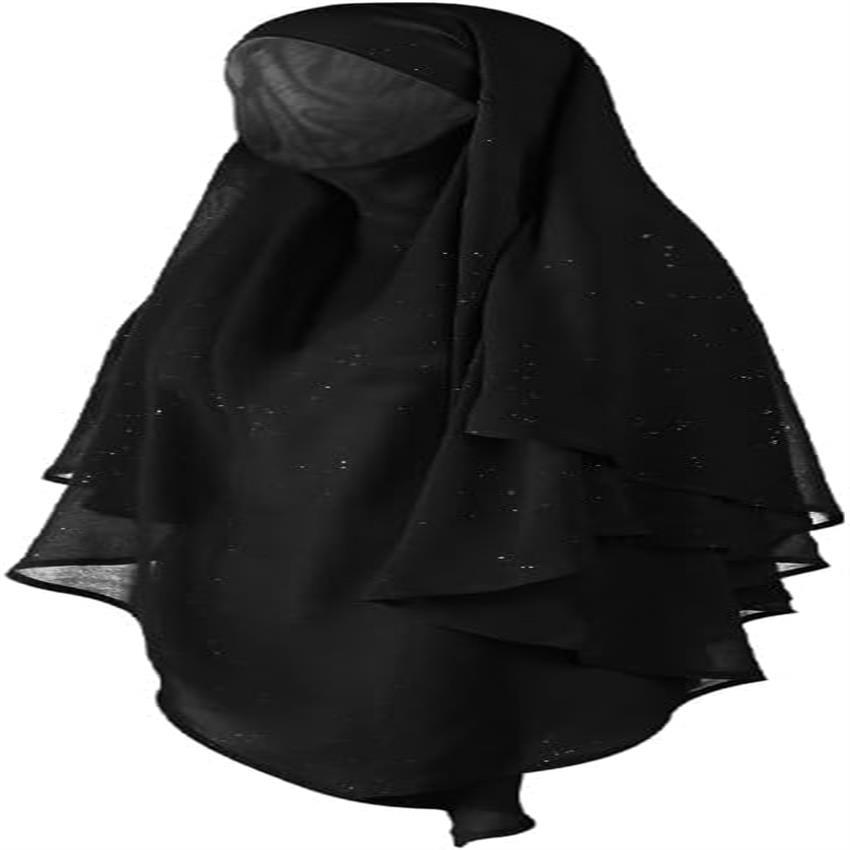
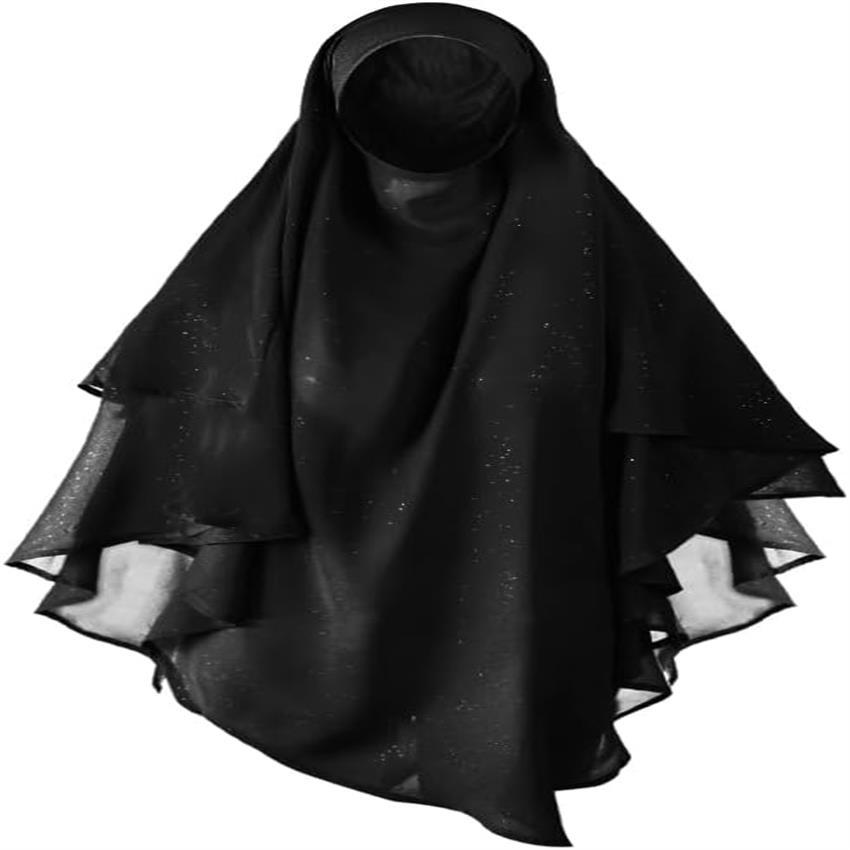
The Fabulive Women’s Full-Coverage Long Khimar Hijab Niqab redefines what modest fashion means in a contemporary age. While firmly rooted in centuries-old tradition, this garment speaks to the woman of today—one who seeks elegance, comfort, and practicality in equal measure. It pays homage to its origins but also embraces the possibilities of modern fabric technology and refined tailoring. The result is an ensemble that feels both timeless and relevant, allowing women to carry the heritage of modesty while stepping confidently into present-day fashion conversations.
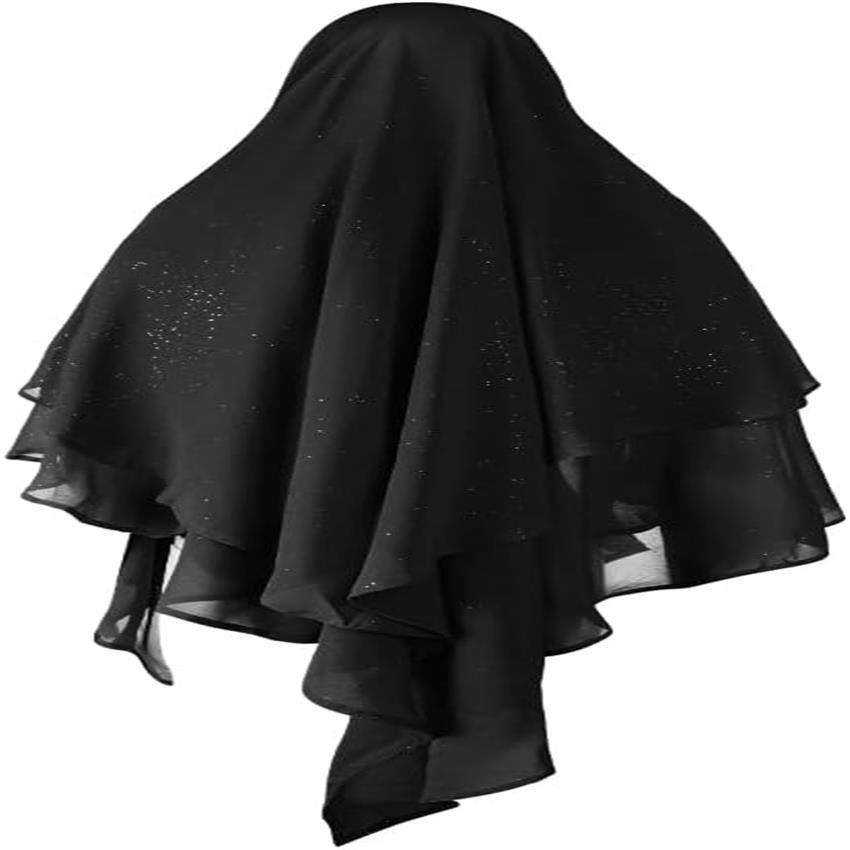
What makes this khimar remarkable is its attention to proportions and flow. The long drape falls effortlessly, creating a silhouette that elongates rather than overwhelms. The inclusion of the niqab component ensures complete coverage, while the lightweight chiffon-like material allows for natural breathability and comfort. This balance between coverage and wearability is at the core of modern modest fashion. It ensures that the garment is not confined to ritual occasions but can be worn daily, whether during prayer, Ramadan gatherings, Eid celebrations, or even in moments of quiet personal reflection.
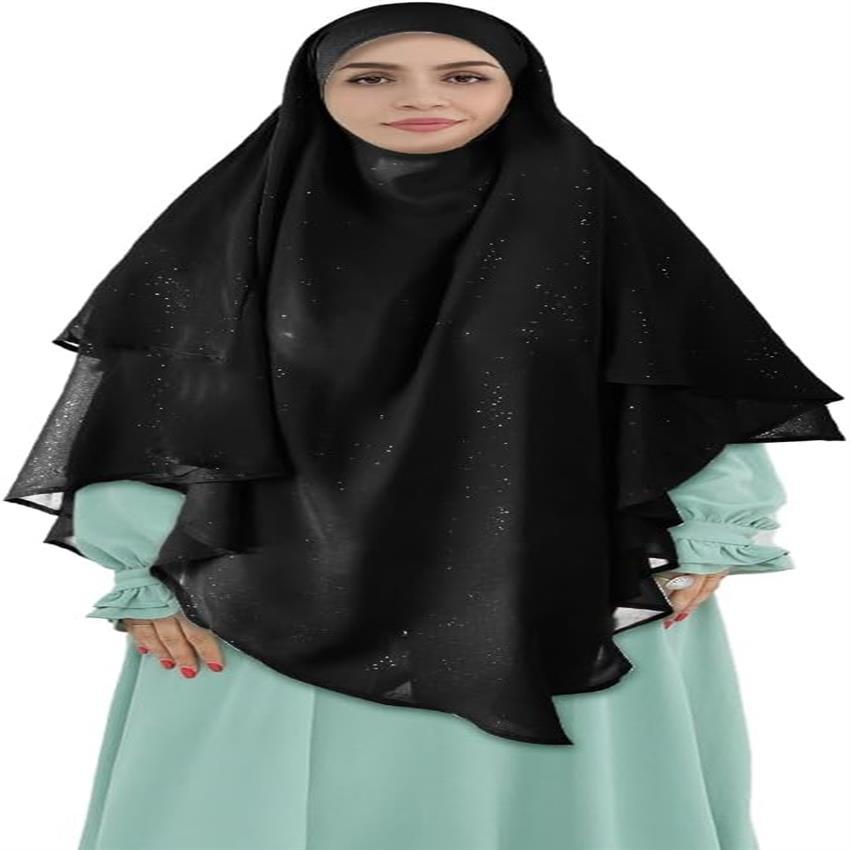
Unlike ornate evening dresses or seasonal trends that fade quickly, the khimar and niqab stand as long-term wardrobe investments. They do not seek attention through extravagance but through an elegance rooted in restraint. The simplicity of this garment allows it to be paired with a wide range of abayas, maxi dresses, or modest robes, giving the wearer endless styling versatility. It is this ability to combine heritage with adaptability that makes the design profoundly relevant for women across the world.
Design Language And Aesthetic Refinement
Luxury resides in detail. In the case of the Fabulive full-coverage khimar, its design language demonstrates a keen understanding of proportion, drape, and tactile experience. The fabric, though lightweight, is engineered to hold its flow without clinging uncomfortably. It cascades down in clean lines, creating an effect of effortless grace. The hem is cut in such a way that movement feels natural, not hindered, enabling the wearer to carry out her daily life with confidence and ease.
The niqab component is integrated seamlessly, avoiding unnecessary heaviness. Instead of being a separate attachment that disrupts the continuity of the garment, it blends harmoniously with the khimar, ensuring the entire piece feels cohesive. This subtle integration speaks to an elevated sense of design—a garment that is not simply stitched together, but carefully conceived for both elegance and function.
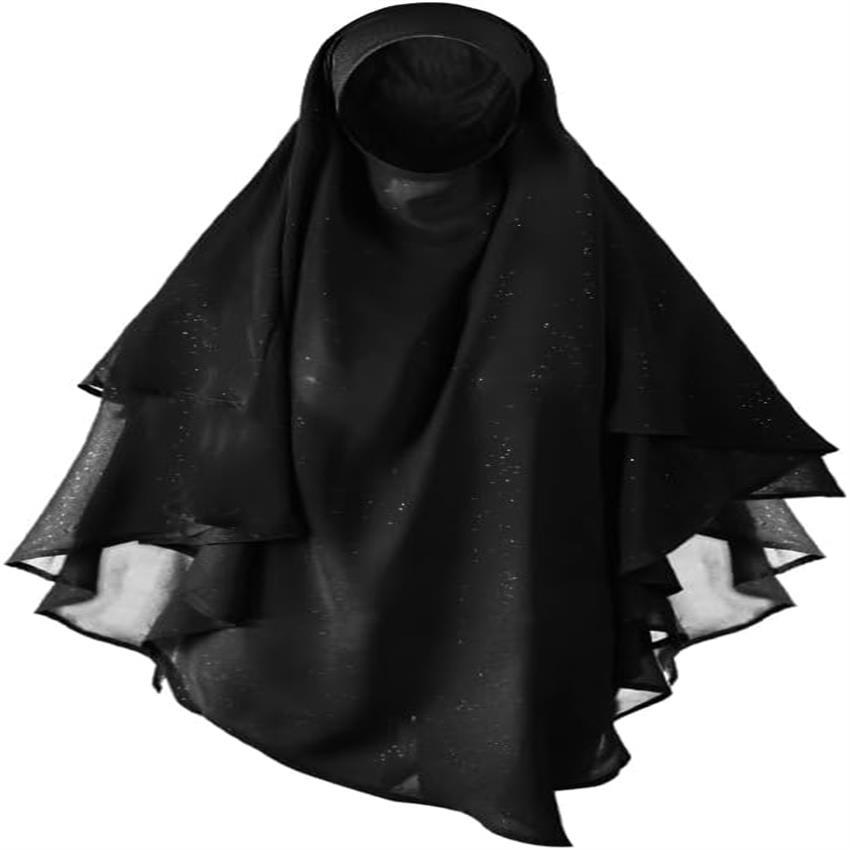
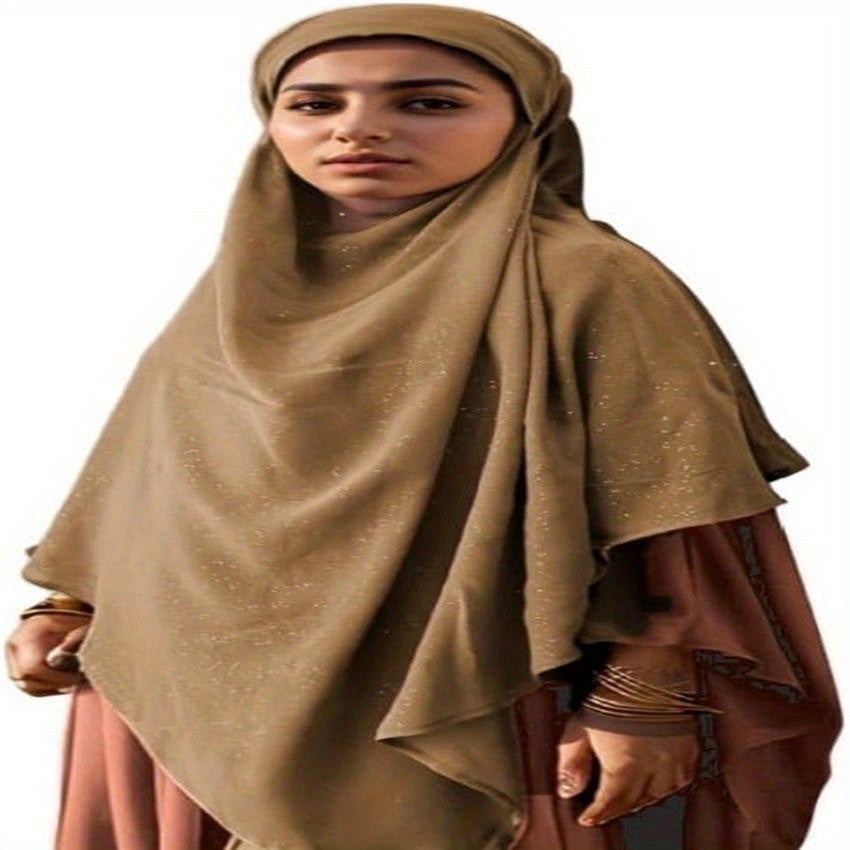
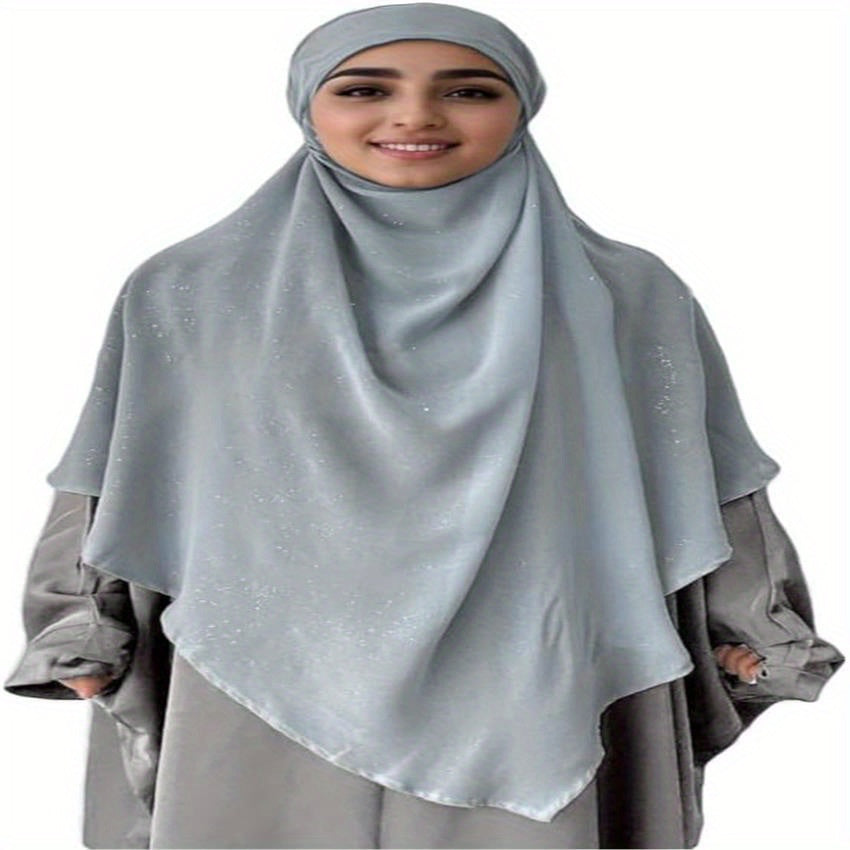
Color plays a significant role in the aesthetic language of modest wear. Traditional khimars were often produced in deep neutrals or earthy tones, reflecting the natural palette of the regions where they originated. Modern interpretations, such as this Fabulive piece, maintain the dignity of solid colors while offering shades that align with contemporary preferences. Deep blacks for classic sophistication, muted beiges for understated elegance, and gentle grays or navy tones for versatile wear all lend themselves to different moods and settings. The power of color in this garment lies in its ability to adapt—the same piece can feel regal at a formal religious gathering, serene during daily prayer, and sophisticated in everyday social spaces.
The absence of heavy embellishment is a deliberate choice. By resisting the temptation to decorate, the garment emphasizes purity of form and clarity of silhouette. This is a defining feature of luxury design: the courage to embrace simplicity and allow craftsmanship to speak louder than ornament. In doing so, the khimar aligns with global luxury aesthetics where minimalism has become a new form of refinement.
Cultural Relevance Across Borders
The cultural significance of the khimar extends far beyond its immediate geography. From Cairo to Karachi, Istanbul to Jakarta, the khimar and niqab have been embraced, adapted, and reimagined in countless ways. This global journey is what makes the garment so distinctive. While it remains deeply tied to Islamic identity, it has also become a symbol of cross-cultural modest fashion, admired and worn in diverse communities.
In South Asia, the khimar is often paired with colorful abayas or long dresses, blending local embroidery traditions with the garment’s minimalistic form. In the Middle East, it maintains its classic elegance, often styled in rich solid tones for formal occasions. Across Western cities, Muslim women pair it with contemporary modest fashion pieces, allowing the khimar to exist alongside modern coats, handbags, and footwear without losing its cultural resonance. Its universality lies in its adaptability; each woman makes the garment her own while still participating in a shared heritage of modesty.
What distinguishes this Fabulive khimar is its ability to carry this cultural dialogue into the modern fashion industry. In an age where inclusivity is no longer optional but essential, garments like these become ambassadors of culture, identity, and refinement. They remind global fashion markets that modest attire is not a niche but a powerful movement shaping how women choose to present themselves.
The niqab, too, remains deeply relevant. While its significance varies across cultures, for many women it represents a conscious choice to embody privacy, dignity, and spiritual commitment. Its presence within this design respects that choice, offering women an option that is at once functional, elegant, and rooted in centuries of practice.
The Luxury Of Practicality
Luxury editorial narratives often focus on ornate gowns or limited-edition accessories, yet true luxury lies in garments that balance beauty with function. The Fabulive full-coverage khimar achieves this balance effortlessly. Its lightweight chiffon-like fabric ensures breathability, which is vital during long hours of wear, especially in warmer climates. The flow of the material ensures coverage without heaviness, allowing women to move freely whether they are in prayer, attending gatherings, or navigating daily routines.
Functionality extends beyond wearability. The garment is designed for long-term value, resisting the pitfalls of fast fashion. Its timeless design means it will not fall out of favor with shifting trends. Its durability means it will remain a staple piece in a woman’s wardrobe for years. And its adaptability ensures it can be styled differently to meet the evolving needs of its wearer. This combination of durability, timelessness, and adaptability is the essence of luxury in modest fashion.
Materials That Define Elegance
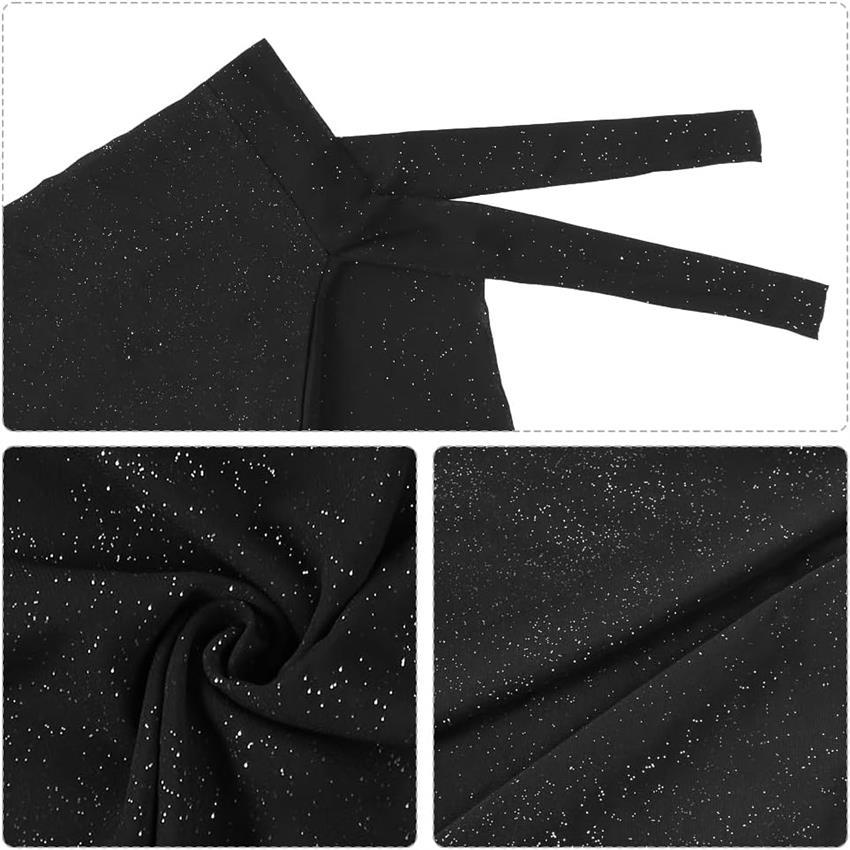
The heart of any garment lies in its material, and in the case of the Fabulive Women’s Full-Coverage Long Khimar Hijab Niqab, fabric selection is elevated into an art form. The choice of chiffon-like textiles is deliberate, balancing softness with strength, and lightness with durability. Chiffon has long been associated with refinement; it drapes with an ethereal quality that allows garments to float rather than cling. When applied to modest fashion, this lightness transforms into comfort. Women who wear the khimar are not weighed down by fabric but enveloped in a breathable shield that moves with grace.
Unlike rigid weaves or heavy cottons, the chiffon-like fabric offers resilience without bulk. It is strong enough to withstand daily wear, yet supple enough to respond to the natural rhythm of movement. In warmer climates, this breathability becomes essential, preventing discomfort during extended wear. In cooler regions, the material layers effortlessly over abayas, maxi dresses, or thermal undergarments, providing warmth without suffocation. This dual-season adaptability is what makes the khimar not only elegant but deeply practical.
The fabric also holds another quiet luxury: its resistance to wrinkling. While natural fibers such as silk or cotton require constant maintenance, this chiffon-like material retains its composure throughout the day. A woman can move from prayer to gathering to social event without worrying about creases or sagging. This resilience underlines the philosophy that modest fashion should not demand labor but should instead support the rhythms of daily life with understated sophistication.
The Palette Of Modesty And Refinement
Color is more than visual—it is emotional. In modest fashion, the palette a garment offers speaks volumes about cultural identity, personal choice, and timeless style. The Fabulive full-coverage khimar embraces a range of solid tones, each carefully curated to express refinement rather than distraction. Black, the eternal favorite, remains unmatched in its ability to convey dignity, authority, and elegance. It is a shade that transcends trends, grounding the garment in universality.
Neutral tones such as beige, cream, and soft grey have emerged as favorites among women who desire a subtle elegance. These shades reflect light in soft, flattering ways, making them ideal for daily wear and spiritual moments. Unlike loud patterns that fade with fashion cycles, neutrals invite a sense of calm and permanence, qualities that resonate deeply in the context of Ramadan, Eid, and personal devotion.
Navy and deep earthy hues serve women seeking a balance between tradition and modernity. These shades convey maturity and presence without drawing unnecessary attention. They align with the understated beauty of luxury fashion, where less is always more. The palette allows versatility: one khimar in black may serve as formal attire, while another in beige becomes the preferred choice for daylight wear. The range demonstrates that modest fashion does not need endless embellishment to achieve luxury; sometimes, simplicity offers the richest vocabulary.
Craftsmanship Rooted In Precision
Luxury is rarely accidental. It is born from meticulous attention to detail, and this khimar is no exception. Every seam, fold, and drape is measured with precision, ensuring that the garment maintains its shape and fluidity. Where lesser garments may sag, pull, or lose proportion over time, this khimar retains its architectural integrity. It embodies the principle that craftsmanship is as vital as material.
The neckline is cut with modesty in mind, allowing for full coverage without restriction. The edges are finished with care, neither overly rigid nor left raw. This balance ensures durability without compromising on comfort. The length, extending generously to provide complete coverage, is carefully calculated so that it neither overwhelms shorter frames nor falls short on taller ones. This universality reflects thoughtful design—an acknowledgement that women come in diverse forms and that luxury must accommodate, not exclude.
The integration of the niqab illustrates craftsmanship at its most refined. Instead of feeling like an afterthought, it is seamlessly woven into the khimar’s design. The niqab’s placement, angle, and attachment are constructed to ensure security without discomfort. Women can wear it for hours without feeling the pressure of excess fabric. This kind of consideration elevates the garment beyond standard attire into the realm of enduring luxury.
A Dialogue Between Material And Spiritual Function
The true genius of the Fabulive khimar lies not just in its physical attributes but in how those attributes serve spiritual and cultural purposes. The lightweight chiffon-like fabric aligns beautifully with the essence of prayer. During sujood and rukoo, the garment flows without restriction, allowing a woman to move seamlessly through her devotion. It does not cling uncomfortably nor shift awkwardly, preserving the dignity and composure that prayer demands.
The colors, too, hold spiritual significance. Black embodies gravity and solemnity, ideal for Ramadan evenings and Eid prayers. Beige and soft neutrals bring serenity, enhancing the meditative qualities of daily recitation. In this way, the garment becomes more than attire; it becomes a tool of spiritual practice, reinforcing the harmony between faith and fashion.
Such integration of material and function distinguishes this khimar from garments that are beautiful but impractical, or practical but uninspiring. Here, form and spirit converge, creating a piece that serves the body, uplifts the mind, and honors the soul.
The Discreet Luxury Of Minimalism
In global luxury markets, minimalism has become synonymous with refinement. Couture houses now embrace cleaner silhouettes, monochromatic palettes, and fluid drapes. The Fabulive khimar aligns effortlessly with this global trend while retaining its cultural authenticity. Its lack of heavy embroidery or ornate detailing does not diminish its beauty; instead, it enhances it.
This quiet luxury allows the garment to function across settings. For daily prayer, its minimalism resonates with spiritual humility. For gatherings, its restrained elegance speaks louder than embellishment. For international contexts, it communicates a universal aesthetic of grace and sophistication. This is a garment that requires no excess to command respect; it earns attention through composure and balance.
Minimalism also enhances versatility. A khimar in muted tones can be paired with jewelry for a formal dinner, with a simple abaya for prayer, or with a structured coat in colder climates. Each pairing tells a different story, yet the garment itself remains constant. In this consistency lies true luxury—the ability to adapt without losing identity.
A Thoughtful Approach To Wearability
Luxury garments often suffer from fragility, making them difficult to wear beyond limited occasions. The Fabulive khimar subverts this expectation. While undeniably luxurious, it is also designed for everyday resilience. The chiffon-like material resists wear, ensuring it does not lose its sheen with repeated use. Its lightweight nature reduces strain, meaning women can comfortably wear it for hours without fatigue.
This wearability is critical in Ramadan and Eid, when women spend extended periods in prayer, gatherings, and celebration. The khimar remains elegant from dawn to night without demanding constant adjustment. Its fabric is forgiving, its seams durable, its silhouette unwavering. This combination of comfort and resilience sets it apart as a piece of true long-term value.
Wearability extends into travel. For women on pilgrimage or religious journeys, the khimar becomes a trusted companion. Its packable lightness means it can be folded without bulk, while its wrinkle resistance ensures it emerges ready to wear. Whether in bustling airports, sacred mosques, or quiet hotel rooms, the garment provides dignity and composure wherever the journey leads.
Functionality Beyond Aesthetic Appeal
Functionality has become a defining measure of modern luxury, and the Fabulive Women’s Full-Coverage Long Khimar Hijab Niqab embodies this standard with remarkable grace. Unlike garments that sacrifice comfort for design, or utility for style, this khimar is conceived with the holistic needs of its wearer in mind. Every detail serves a purpose, ensuring that the garment moves beyond surface beauty to become a trusted companion in daily life.
The length of the khimar is one of its most essential functional aspects. It provides complete coverage without impeding movement, which is vital for women who balance prayer, family, and social obligations throughout the day. The niqab element integrates seamlessly into this functionality, ensuring privacy without heaviness. It allows for full coverage while maintaining breathability and ease of wear.
Another dimension of its practicality lies in the fabric’s response to climate. The chiffon-like textile breathes in warmer weather, reducing discomfort during extended hours of wear. In cooler months, it layers effortlessly over thicker garments without bulk. This adaptability makes it a year-round wardrobe essential. Women in diverse regions—from the Middle Eastern deserts to the temperate cities of Europe—find comfort in its universal suitability.
Travel further amplifies its importance. Modest attire often poses challenges in portability and care. This khimar addresses both. Lightweight yet resilient, it folds neatly into travel bags without consuming space. Its wrinkle-resistant qualities mean it can be unpacked and worn immediately, preserving dignity and elegance even after long journeys. Such details make it not only functional but indispensable for modern women who live active, global lives.
Styling Versatility Across Occasions
Versatility has become the silent hallmark of garments that achieve timelessness. The Fabulive khimar exemplifies this by offering endless styling possibilities while preserving modesty. It does not confine the wearer to one expression but instead adapts to contexts ranging from religious devotion to cultural celebrations and modern gatherings.
For prayer, the khimar’s flowing drape and integrated niqab provide full coverage with comfort, allowing seamless movement during worship. Its simplicity ensures spiritual focus is not interrupted by constant adjustments. For Ramadan evenings, paired with elegant abayas or embellished dresses, the garment becomes an expression of refinement, elevating the sanctity of the occasion with understated grace.
Eid celebrations invite more color and ornamentation. A beige or grey khimar styled with jewelry, elegant footwear, or a coordinating abaya transforms into festive attire. Here, minimalism becomes a canvas for personal creativity, allowing women to accessorize without compromising the garment’s modest integrity.
In modern social contexts, the khimar adapts further. Women in metropolitan cities pair it with structured coats, tailored handbags, and contemporary footwear, creating a dialogue between tradition and cosmopolitan style. This adaptability makes it not just a garment of modesty but one of fashion relevance. Whether in Dubai, London, or New York, the khimar maintains its cultural authenticity while speaking fluently in the language of global fashion.
Even casual wear finds a companion in this garment. Worn with simple abayas or loose dresses, it becomes a practical yet elegant everyday piece. This fluidity between contexts underscores its value—not as a single-use garment, but as a cornerstone of a versatile wardrobe.
Modern Fashion Relevance
The global fashion landscape has shifted dramatically in recent years, with modest fashion emerging as one of its most influential movements. Designers who once overlooked covered silhouettes now feature them prominently on international runways. Within this evolution, the khimar and niqab occupy a unique space. They remain deeply traditional yet increasingly admired for their architectural beauty, cultural resonance, and minimalist elegance.
The Fabulive khimar aligns seamlessly with this trend. It embraces the principles of contemporary luxury—simplicity, craftsmanship, and versatility—while retaining its cultural essence. Where other fashion movements rely on novelty, modest fashion finds its strength in timelessness. This garment does not expire with the seasons; instead, it holds a perennial relevance that appeals to women seeking authenticity in a world saturated with fleeting trends.
What makes this khimar particularly modern is its refusal to compromise. It does not dilute its cultural significance to fit into Western narratives of fashion, nor does it remain static. Instead, it evolves within its own tradition, incorporating modern fabrics, refined tailoring, and thoughtful design details. This balance ensures that the khimar is not only culturally respected but also fashionably admired.
Moreover, the garment speaks to inclusivity—a value that defines twenty-first-century fashion. By offering women across regions, sizes, and contexts a garment that accommodates their individuality, it participates in the broader movement toward democratized luxury. Women no longer need to choose between modesty and style; this khimar ensures they can embody both with ease.
Styling As A Personal Narrative
Every woman brings her own story to the garments she wears, and the Fabulive khimar provides the perfect stage for that narrative. Unlike heavily ornamented attire that dictates its wearer’s identity, this piece invites personal interpretation. A woman may choose to wear it in solemn black during Ramadan evenings, embodying dignity and focus. Another may choose soft neutrals for daily prayer, expressing serenity and balance. A third may pair it with accessories during Eid, blending modesty with celebration.
This personal dialogue is what elevates the khimar into the realm of timeless luxury. It is not prescriptive but interpretative. It respects individuality while upholding collective cultural values. Such garments achieve a rare balance: they unite women through shared heritage while allowing each to shine uniquely within that tradition.
In modern editorial terms, this adaptability translates into endless imagery. Fashion spreads featuring the khimar can capture it in stark monochrome minimalism, festive color palettes, or urban chic settings. Each portrayal remains authentic, yet each tells a different story. This editorial versatility ensures the garment remains as relevant in a global fashion magazine as it is in a local Ramadan gathering.
Functionality And Empowerment
There is empowerment in knowing that one’s attire supports rather than hinders. The Fabulive khimar empowers women through functionality. Its breathability ensures comfort during long prayers. Its coverage ensures dignity in social spaces. Its lightness ensures ease during travel. Each feature reinforces the idea that modesty is not limitation but liberation.
Women no longer need to compromise between cultural authenticity and modern practicality. This garment allows them to carry both with pride. It reminds wearers that empowerment is not about exposure but about choice. The choice to dress with dignity, the choice to embrace comfort, and the choice to participate in global fashion on their own terms. This empowerment is subtle yet profound, rooted not in spectacle but in self-assurance.
Maintenance As An Extension Of Luxury
True luxury is not confined to the moment of purchase; it extends into the ease of maintenance and the garment’s ability to remain pristine through time. The Fabulive Women’s Full-Coverage Long Khimar Hijab Niqab is designed with this philosophy in mind. Unlike delicate silks or high-maintenance fabrics that require constant professional care, the chiffon-like material used in this garment offers remarkable resilience. It allows women to sustain its elegance without the burden of excessive upkeep.
The fabric resists wrinkles, reducing the need for frequent ironing. This means that women can confidently wear the khimar throughout the day without worrying about creases disrupting its flowing silhouette. For daily care, hand washing in cool water with mild detergent preserves the fabric’s integrity. For those seeking convenience, the garment can also withstand gentle machine washes, provided it is placed in a protective garment bag.
Drying is equally simple. The lightweight fabric air-dries quickly, avoiding the risks of shrinkage or distortion. Unlike heavier materials that demand lengthy drying times, this khimar returns swiftly to its original form, ready for use again without the need for specialized treatment. This practicality transforms maintenance from a task into a seamless continuation of the garment’s luxury experience.
Longevity is further enhanced by the fabric’s ability to retain color. Black retains its depth, neutrals maintain their purity, and navy shades preserve their richness. There is no fading into dullness, ensuring that the khimar remains as dignified on its hundredth wear as it was on the first. Maintenance, therefore, becomes not a burden but a reassurance—an affirmation that the garment was created to endure.
Sustainability And Responsible Fashion
In today’s fashion world, sustainability has shifted from trend to necessity. Luxury, once associated with rarity and extravagance, is now increasingly defined by responsibility and conscious consumption. The Fabulive khimar reflects this evolution. By embracing durability, it rejects the wastefulness of fast fashion. Instead of garments designed to be replaced within months, this khimar is designed to endure for years, minimizing environmental impact by reducing the frequency of replacement.
Redefining Sustainability As Luxury
The meaning of luxury has undergone a profound transformation. Where once luxury was measured by scarcity and excessive ornamentation, it is now increasingly defined by integrity—integrity of materials, of design, and of philosophy. A garment that endures, that respects the environment, and that preserves cultural authenticity is a truer expression of luxury than one that dazzles only for a fleeting moment. The Fabulive khimar embodies this transformation, proving that sustainability is not a compromise but an elevation of what fashion should stand for.
By choosing to invest in this khimar, women participate in a form of luxury that is aligned with their values. The purchase is no longer about possession alone; it becomes a statement of responsibility, a recognition that refinement must coexist with ethical practice. In this way, the garment transcends its physical form to become an emblem of a new kind of luxury—one that is enduring, meaningful, and accountable.
The Fabric Of Responsibility
The chiffon-like material used in the Fabulive khimar plays a central role in its sustainability narrative. This fabric is resilient against wear, ensuring that the garment maintains its integrity over time. Unlike delicate textiles that require constant professional care or garments that deteriorate quickly, this khimar is crafted to resist the cycle of disposal. Each wear affirms its durability, and each wash reinforces its resilience.
Its low-maintenance qualities further contribute to sustainable living. Quick air-drying reduces reliance on machine dryers, which are both energy-intensive and damaging to delicate fabrics. The wrinkle-resistant nature lessens the use of irons, cutting back on electricity consumption. Every small act of care—every hand wash in cool water, every line dry in natural air—becomes part of a broader act of environmental consciousness. Responsibility, in this sense, is lived through daily practice, woven into the very fabric of women’s lives.
Timeless Design As Sustainable Philosophy
Sustainability is not only about material but also about philosophy. The timeless design ensures the garment transcends fleeting trends. Where fast fashion thrives on constant reinvention, leading to cycles of accumulation and waste, the khimar offers stability. Its minimalism, flowing lines, and classic palette ensure that it never feels outdated.
By investing in this khimar, women choose continuity over constant replacement. The garment becomes a reliable presence in their wardrobes, serving them through Ramadan, Eid, travel, and daily prayer for years to come. This rejection of disposability is one of the highest forms of sustainability—it resists the lure of novelty for novelty’s sake and affirms the dignity of garments that endure in both form and meaning.
Cultural Sustainability: Preserving Heritage
From an ethical standpoint, the khimar also symbolizes respect for cultural traditions while embracing modern sensibilities. Sustainability, in this context, is cultural as well as environmental. The preservation of heritage ensures that modest fashion remains authentic in global markets, resisting dilution while embracing thoughtful evolution.
The Fabulive khimar honors centuries of tradition, where the khimar and niqab served as emblems of modesty, dignity, and cultural pride. Yet it adapts thoughtfully for the modern woman—lightweight for daily wear, versatile across climates, refined in its silhouette. This careful balance between preservation and progress ensures that modest fashion sustains not only the environment but also identity. In safeguarding cultural traditions while refining them for contemporary contexts, the khimar becomes a vessel of heritage as much as an article of fashion.
Emotional Sustainability: Clothing That Endures In Spirit
Sustainability must also be understood in terms of emotional endurance. A garment that holds meaning, that carries memory, is less likely to be discarded. The Fabulive khimar fosters this form of sustainability by becoming not just attire but an extension of identity.
Each wear during prayer deepens its spiritual significance. Each Ramadan gathering, each Eid celebration adds emotional layers to the garment. Over time, it becomes a companion that carries memory and meaning, making it irreplaceable in a way fast fashion never can be. Women form bonds with garments that sustain them emotionally, and in turn, such garments sustain cultural and environmental responsibility by resisting obsolescence.
The Role Of Mindful Consumption
The modern fashion landscape increasingly recognizes that conscious consumption is the true measure of refinement. The Fabulive khimar encourages women to embrace this principle by offering a piece that can serve multiple functions: prayer attire, festive ensemble, travel companion, and everyday garment. Instead of accumulating multiple pieces to serve fleeting roles, women can rely on one garment to meet diverse needs.
This efficiency does not dilute luxury; it amplifies it. A wardrobe anchored in timeless, versatile pieces is more refined than one overflowing with disposable trends. It represents mindfulness, restraint, and elegance—a conscious choice to value depth over abundance. The khimar, in this sense, is more than a garment; it is a philosophy of living responsibly without relinquishing beauty.
Toward A Future Of Responsible Luxury
The fashion world is moving toward a future where sustainability and responsibility are inseparable from refinement. Consumers demand transparency, durability, and meaning. The Fabulive khimar stands at the forefront of this movement, offering a garment that is at once timeless, ethical, and luxurious.
It embodies the idea that true luxury does not have to choose between elegance and responsibility. It proves that garments can endure physically, emotionally, and culturally. And it demonstrates that modest fashion can lead the way in defining what sustainability should mean in the global fashion industry.
In embracing the khimar, women align themselves with this future. They participate in a quiet revolution that redefines luxury—not as excess, but as endurance; not as waste, but as preservation; not as fleeting possession, but as lasting responsibility.
Long-Term Value In Wardrobe Curation
Luxury is often defined by longevity—the ability of a garment to remain an integral part of one’s wardrobe over the years. The Fabulive khimar offers this long-term value through durability, timelessness, and versatility. It is not a piece purchased for a season; it is an investment in one’s identity and lifestyle.
Durability ensures that the garment withstands the rigors of daily wear. Whether worn during Ramadan prayers, Eid festivities, or routine social gatherings, it remains unyielding in form and fabric. This reliability builds trust, making it a piece women can depend on for countless occasions.
Timelessness ensures that the khimar never feels outdated. Unlike garments bound to the aesthetics of a specific decade, its minimalist silhouette and solid colors transcend temporal limitations. A woman who purchases this khimar today can wear it five years from now with the same sense of elegance and cultural relevance. This continuity affirms its place as a wardrobe essential rather than a passing indulgence.
Versatility expands its value even further. The same khimar that serves as daily prayer attire can transition into formal evening wear when paired with jewelry or an embellished abaya. It becomes a garment that fulfills multiple roles, reducing the need for excessive wardrobe accumulation. This adaptability not only provides economic value but also reinforces sustainability by encouraging thoughtful, reduced consumption.
The Emotional Dimension Of Investment
Long-term value extends beyond practical considerations into emotional resonance. Garments like the Fabulive khimar carry with them an emotional continuity that deepens over time. Each wear during prayer layers the garment with personal meaning. Each Ramadan, each Eid, each gathering adds new significance. It becomes not merely a piece of fabric but a vessel of memory and identity.
Women often speak of favorite garments that feel like companions rather than objects. This khimar possesses that potential. Its resilience ensures it is present through years of milestones, and its timelessness ensures it never feels out of place. The emotional value that accumulates in such garments cannot be measured in monetary terms—it is a wealth of memory, dignity, and belonging.
In luxury editorial terms, this emotional longevity is what elevates a garment from attire to heirloom. Though it may not be passed down in the same way as ornate jewelry or embroidered silks, it holds a symbolic inheritance: the values of modesty, sustainability, and elegance passed from one generation of women to another.
The Intersection Of Responsibility And Refinement
The luxury narrative of the Fabulive khimar lies at the intersection of responsibility and refinement. It demonstrates that luxury is not about excess but about endurance. It proves that garments can be both beautiful and sustainable, both practical and emotionally resonant. Its presence in a wardrobe is not only an expression of personal taste but also of cultural continuity and conscious choice.
Redefining Luxury Beyond Ornamentation
For too long, luxury has been narrowly defined by extravagance—gilded embroidery, excessive detailing, and limited exclusivity. Yet, the true essence of luxury has always been about value that endures. The Fabulive khimar challenges outdated notions of excess and instead frames refinement in simplicity. It shows that a garment need not rely on ornate embellishments to achieve significance. The flowing silhouette, restrained palette, and intelligent design stand as proof that minimalism can carry the weight of elegance more profoundly than ornamentation ever could.
This reframing of luxury resonates with modern sensibilities. Today’s woman seeks garments that reflect her values as much as her style. She wants fashion that is enduring, respectful of cultural identity, environmentally mindful, and emotionally empowering. The Fabulive khimar answers that call with quiet confidence, proving that luxury is most powerful when it embodies responsibility as much as refinement.
A Philosophy Of Sustainable Refinement
Responsibility in fashion is no longer optional; it has become integral to the definition of refinement. Consumers are more discerning, asking where their garments come from, how they are made, and how long they will endure. The Fabulive khimar reflects this new philosophy. Its chiffon-like fabric resists fast deterioration, its wrinkle-resistant nature reduces energy-intensive care, and its timeless design prevents it from becoming obsolete in the face of passing trends.
By embracing these qualities, the khimar reduces waste both materially and emotionally. Materially, it avoids the rapid turnover of garments that defines fast fashion. Emotionally, it spares women from the cycle of dissatisfaction bred by fleeting trends. When a garment holds relevance year after year, the wearer is freed from the burden of constant replacement. That continuity becomes a subtle act of sustainability, ensuring that refinement is tied not only to how a garment looks but to how responsibly it endures.
The Liberation Of Low-Maintenance Luxury
True refinement liberates, rather than burdens, its wearer. The Fabulive khimar embodies this principle by offering elegance without the complications of high-maintenance care. Women no longer need to dedicate hours to ironing delicate fabric or worry about fading colors. Its durability assures confidence, while its minimal care requirements affirm practicality.
This liberation is deeply empowering. It acknowledges the modern woman’s time as a precious resource, affirming that luxury should enhance life rather than complicate it. In this way, responsibility extends not only to the environment but also to the wearer herself. Her dignity is preserved not only in how she looks but in how her clothing respects her time, energy, and effort.
Cultural Continuity And The Ethics Of Refinement
Responsibility is also cultural. The khimar stands as part of a lineage of modest attire that has shaped the identity of women for centuries. By refining rather than abandoning tradition, Fabulive contributes to cultural continuity. The garment honors its past while equipping women for the future, proving that heritage need not remain static but can evolve thoughtfully.
The responsibility here lies in preserving dignity and cultural integrity. For many women, modest attire is not merely an aesthetic choice but a reflection of values, faith, and belonging. Refinement, therefore, is not only about how beautifully a garment drapes but how faithfully it resonates with the identity of its wearer. By aligning with these values, the khimar becomes not only fashion but philosophy, sustaining the collective dignity of women who embrace modesty as empowerment.
Refinement As Emotional Resonance
Luxury garments always carry an emotional dimension, but the Fabulive khimar elevates this aspect into something enduring. To wear it is to experience serenity, confidence, and assurance that one’s attire is aligned with values. The flowing fabric creates a physical sense of comfort, while its timelessness fosters psychological ease—no anxiety about trends, no concern about obsolescence, no burden of replacement.
Over time, this emotional resonance deepens. Women carry the garment through Ramadan nights, Eid celebrations, travels, and ordinary days. Each moment adds a layer of meaning until the garment becomes less an object than a companion. Refinement in this context is not only about outward beauty but about the emotional harmony a garment fosters between self, culture, and purpose.
Wardrobe Investment As A Conscious Choice
A key aspect of responsibility in modern fashion is encouraging conscious consumption. The Fabulive khimar aligns perfectly with this principle by functioning as a long-term investment piece. Its timeless design ensures relevance across years. Its durable fabric ensures consistent wear without diminishing quality. Its versatility ensures it can serve multiple functions—prayer attire, festive ensemble, daily companion.
Such garments reduce the need for excessive wardrobe accumulation. Instead of multiple items each serving a fleeting purpose, one khimar serves many roles. This efficiency not only contributes to sustainability but also affirms a philosophy of mindful living. Refinement, therefore, is not simply in the garment itself but in the lifestyle it promotes—a lifestyle that values depth over abundance, quality over quantity, meaning over novelty.
A Quiet Manifesto Of Modern Luxury
This khimar, therefore, becomes a quiet manifesto of what modern luxury should represent: a balance of beauty and responsibility, an investment in both personal identity and cultural tradition, a piece that sustains its wearer as much as the wearer sustains it. Its presence in a wardrobe speaks of elegance not shouted through excess but whispered through endurance.
It proves that refinement is not measured in adornment but in purpose. It affirms that responsibility is not a sacrifice but an enrichment. And it reminds us that the most luxurious garments are those that adapt gracefully to the lives of their wearers, offering them dignity, ease, and assurance across the years.
The Fabulive khimar is, in essence, a garment of equilibrium. It balances modesty with elegance, tradition with modernity, practicality with beauty, and responsibility with refinement. In doing so, it redefines what it means to dress luxuriously in a world where values matter as much as aesthetics. It stands as a testament that true luxury is not an indulgence but a legacy—sustained in fabric, carried in culture, and lived in the everyday dignity of women who wear it.
Frequently Asked Questions
What makes the Fabulive Women’s Full-Coverage Long Khimar Hijab Niqab unique compared to other khimars?
This khimar is distinguished by its balance of tradition and modern design. The chiffon-like fabric ensures breathability and lightness, while the seamless integration of the niqab creates full coverage without heaviness. Unlike garments that focus on either beauty or practicality, this piece marries both in a manner that feels luxurious yet functional.
Is the fabric suitable for all climates?
Yes. The chiffon-like material is designed for versatility. It remains breathable in warmer regions while layering comfortably in colder climates. Its lightweight structure prevents overheating, yet when paired with inner garments, it provides sufficient warmth in winter months.
Can this khimar be worn daily or is it reserved for special occasions?
The design is deliberately versatile. It can be worn daily for prayer or casual modest fashion while also serving as elegant attire for Ramadan, Eid, and formal gatherings. The timeless silhouette adapts to both intimate spiritual settings and celebratory events.
How should I maintain the khimar for long-term use?
Hand washing in cool water with mild detergent is recommended to preserve fabric softness. For convenience, it can also be placed in a garment bag for gentle machine washing. Quick air-drying is sufficient, and ironing is rarely needed due to its wrinkle-resistant qualities.
Does the khimar come in multiple colors?
Yes. The palette includes dignified blacks, serene neutrals, and deeper tones such as navy or earthy hues. Each color is carefully chosen to reflect refinement, modesty, and adaptability across occasions.
How is the niqab component designed for comfort?
The niqab is integrated seamlessly, ensuring secure coverage without adding bulk or restricting breathability. This thoughtful design allows women to wear it for long durations without discomfort, a detail especially valuable during prayer or travel.
Is this khimar aligned with sustainable fashion principles?
Yes. Its durability reduces the need for frequent replacement, contributing to conscious consumption. The wrinkle-resistant, quick-drying qualities also reduce reliance on energy-intensive maintenance practices. Its timeless design means it remains relevant across years, minimizing waste associated with fast fashion.
Can the khimar be styled with modern modest fashion pieces?
Absolutely. Its minimalism allows it to pair seamlessly with abayas, maxi dresses, or contemporary coats. Women in global cities style it with handbags and modern footwear, creating a balance between heritage and cosmopolitan chic.
Does the khimar accommodate different body types and heights?
Yes. The draping length is designed to provide full coverage while maintaining proportion across diverse frames. It neither overwhelms shorter silhouettes nor falls short on taller ones, reflecting an inclusive approach to design.
Why is this khimar considered a long-term wardrobe investment?
Its blend of durability, timelessness, and versatility ensures it remains valuable for years. It is not bound to fashion cycles, meaning it retains elegance across seasons. Its adaptability across occasions—from prayer to festivals to travel—adds to its long-term worth as a foundational wardrobe piece.
Customer Reviews
Aisha – UAE
“I bought this khimar before Ramadan and it has quickly become my most cherished garment. The chiffon-like fabric is so light and breathable, yet it provides the full coverage I need. I wore it daily during prayer and it still looks as perfect as the day I purchased it.” ⭐⭐⭐⭐⭐
Aisha’s testimony reflects the garment’s resilience. Ramadan, with its long nights of prayer and frequent gatherings, demands attire that is both comfortable and enduring. For her, the khimar became more than clothing—it became a ritual companion. The fact that daily use did not diminish its quality underscores its promise of longevity, a trait that distinguishes true luxury from disposable fashion.
Fatimah – UK
“The flow of this khimar is unlike anything I’ve owned before. It doesn’t cling, it doesn’t wrinkle, and it feels effortless whether I’m at home or attending gatherings. I appreciate the elegance of its minimalism—it allows me to accessorize freely.” ⭐⭐⭐⭐⭐
For Fatimah, the khimar embodies editorial grace. Living in a Western context, she finds its minimalism liberating, giving her the ability to style it according to her personal aesthetic. Its non-clinging nature means she experiences comfort without sacrificing poise, and its resistance to wrinkles reflects practicality that fits into modern, fast-paced lifestyles.
Maryam – Saudi Arabia
“I travel often for work and religious commitments, and this khimar has been a blessing. It folds neatly into my luggage and comes out without wrinkles. I wore it for long flights and it remained comfortable and dignified. Truly a travel essential.” ⭐⭐⭐⭐⭐
Maryam’s review highlights the khimar’s portability. In her world of constant movement, garments must balance refinement with practicality. That the khimar emerges from travel bags ready to wear speaks volumes about its fabric integrity. For women on pilgrimage or long journeys, this portability transforms the khimar into an indispensable travel companion—elegant in airports, dignified in sacred spaces.
Hafsa – Canada
“What I love most is the timelessness of the design. I know I will wear this for many years without it ever feeling outdated. The black shade I purchased has remained deep and rich even after many washes.” ⭐⭐⭐⭐
Hafsa’s experience captures the khimar’s longevity. The persistence of color reflects quality craftsmanship, while the timeless silhouette ensures continued relevance. In fashion landscapes dominated by fleeting trends, her appreciation affirms the garment’s place as a permanent wardrobe fixture, offering value that far outlasts seasonal attire.
Layla – France
“This khimar gave me the confidence to attend Eid gatherings in style while remaining modest. I paired it with a soft beige abaya and some jewelry, and it looked refined without being ostentatious. I received many compliments.” ⭐⭐⭐⭐⭐
Layla’s narrative blends cultural tradition with personal expression. For her, the khimar becomes celebratory attire—minimal enough to accessorize, dignified enough to command admiration. Her experience illustrates how modest fashion can be festive without excess, aligning with the modern luxury ethos of elegance through restraint.
Samira – USA
“The niqab integration is very comfortable and thoughtful. It doesn’t feel heavy, and I can breathe easily even during long wear. I wore it throughout Ramadan evenings without ever feeling restricted.” ⭐⭐⭐⭐⭐
Samira’s insight reinforces the thoughtful craftsmanship behind the garment. The niqab, often criticized for weight or discomfort in lesser designs, here becomes seamless and breathable. Her long hours of wear highlight how functionality can coexist with modest refinement, ensuring dignity without compromising ease.
Khadijah – Qatar
“I chose a neutral tone, and I love how serene it feels. It reflects light softly, which gives a calming presence. This has become my favorite piece for daily prayer.” ⭐⭐⭐⭐
For Khadijah, serenity is the khimar’s defining gift. Her choice of neutral tones demonstrates how color conveys mood. The soft reflection of light not only elevates her spiritual presence during prayer but also emphasizes how design and palette shape emotional experience.
Zainab – Pakistan
“I was searching for something practical yet elegant, and this khimar exceeded expectations. Its durability is remarkable—I wear it almost daily and it has held its shape beautifully. It feels like a true investment piece.” ⭐⭐⭐⭐⭐
Zainab’s perspective underscores the khimar’s dual identity: practical for daily use, yet refined enough to embody elegance. By describing it as an investment piece, she captures its long-term value. In her words, one sees how the khimar transcends fashion into personal identity, providing stability and sophistication in equal measure.
Iman – Germany
“I appreciate Fabulive for offering garments that blend tradition with modern practicality. This khimar is exactly that. The material feels luxurious yet is very easy to care for. It dries quickly and retains its softness.” ⭐⭐⭐⭐⭐
Iman reflects on the garment as an emblem of Fabulive’s design philosophy: tradition without compromise, modernity without excess. Her appreciation of its easy maintenance emphasizes that true luxury must integrate seamlessly into life. Quick drying and retained softness transform her daily care into an effortless continuation of refinement.
Nur – Malaysia
“This khimar has become part of my identity. It is modest, elegant, and effortless. I wore it throughout Ramadan, for Eid, and even casual gatherings. It adapts to every occasion while maintaining dignity.” ⭐⭐⭐⭐⭐
Nur’s words provide a fitting conclusion. For her, the khimar is not simply worn—it is lived. It accompanies her across occasions, from intimate prayers to festive celebrations. It adapts without losing integrity, and in doing so, it becomes more than attire. It becomes identity, dignity, and elegance woven together.