


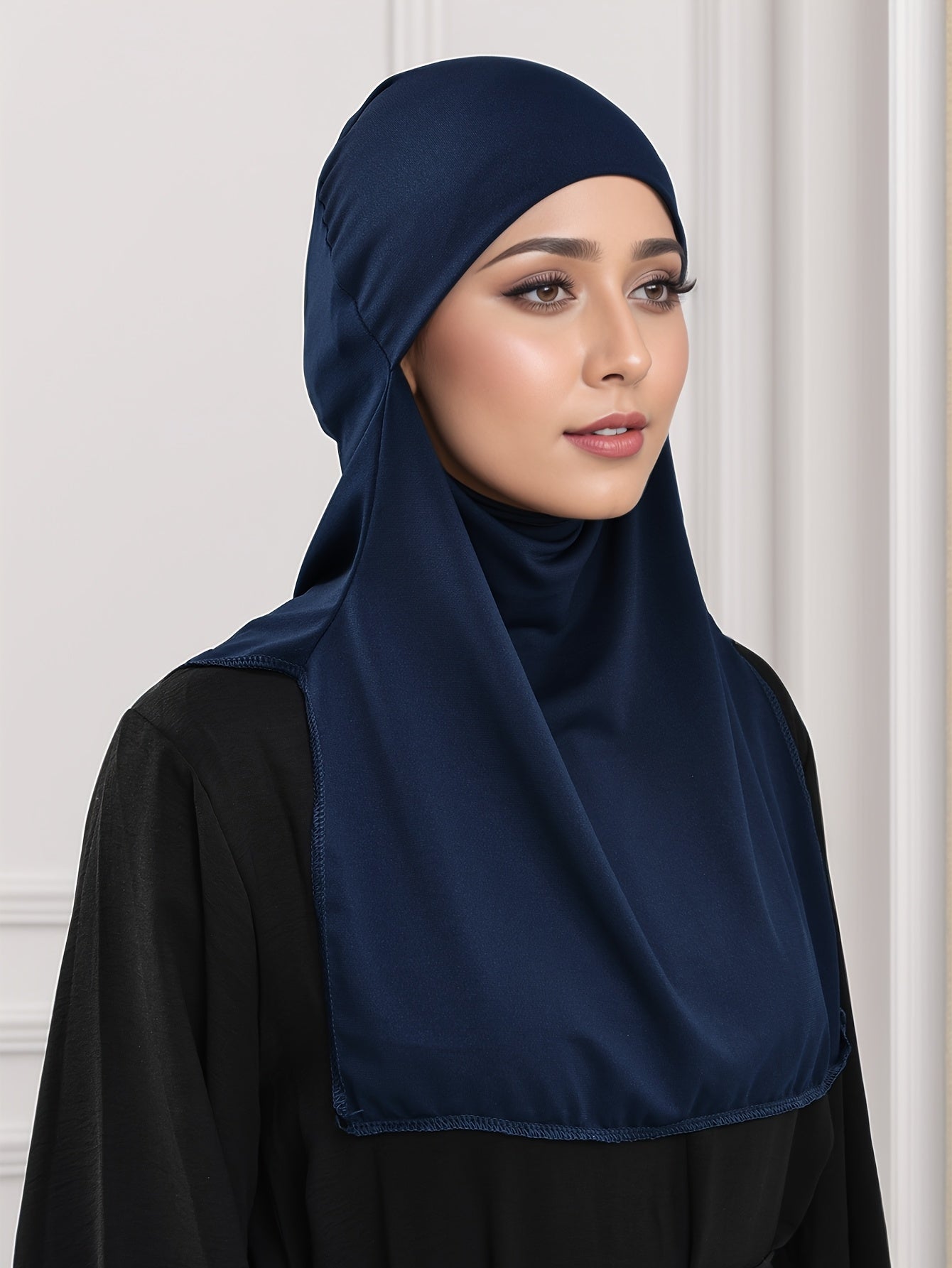
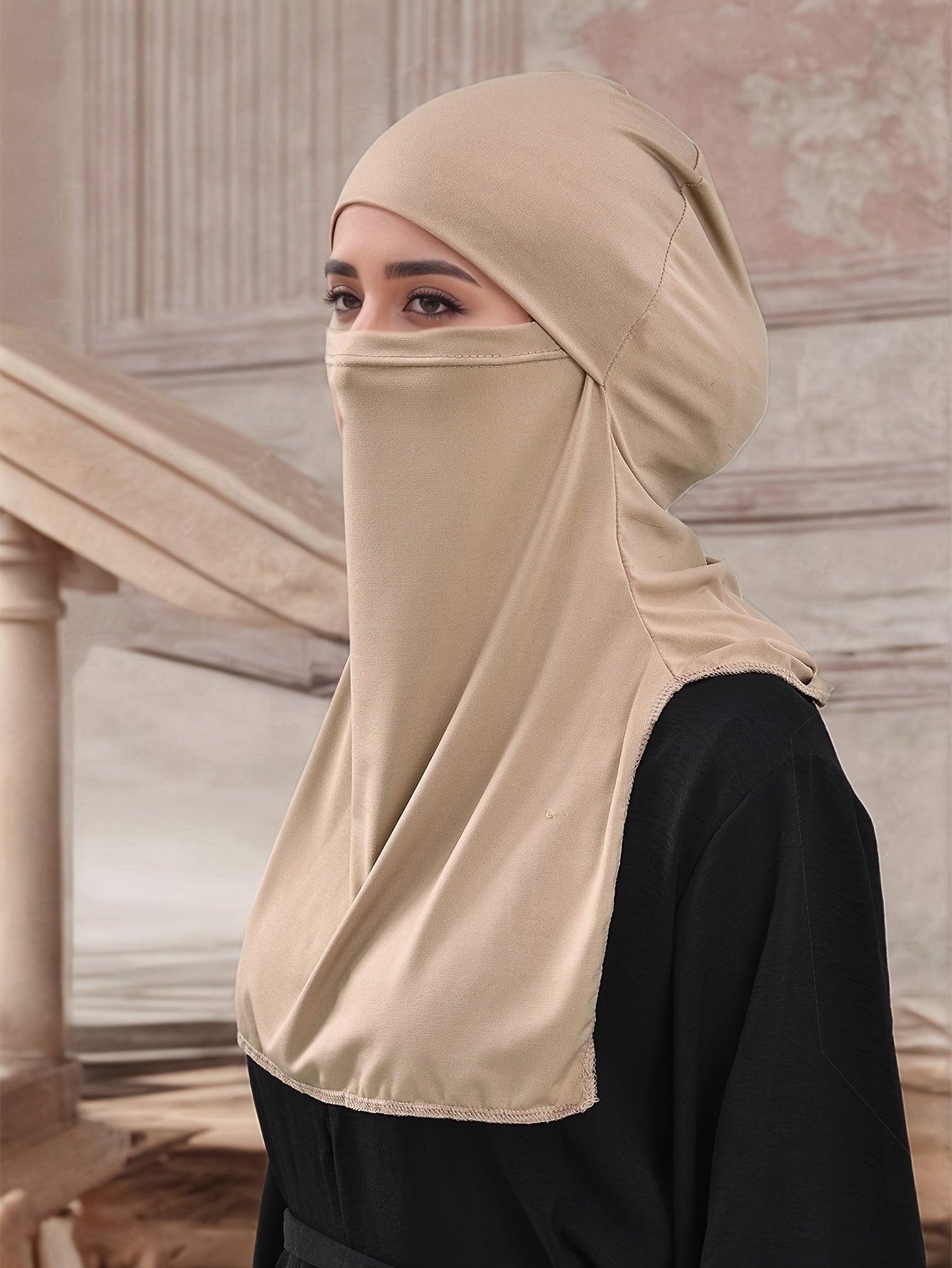
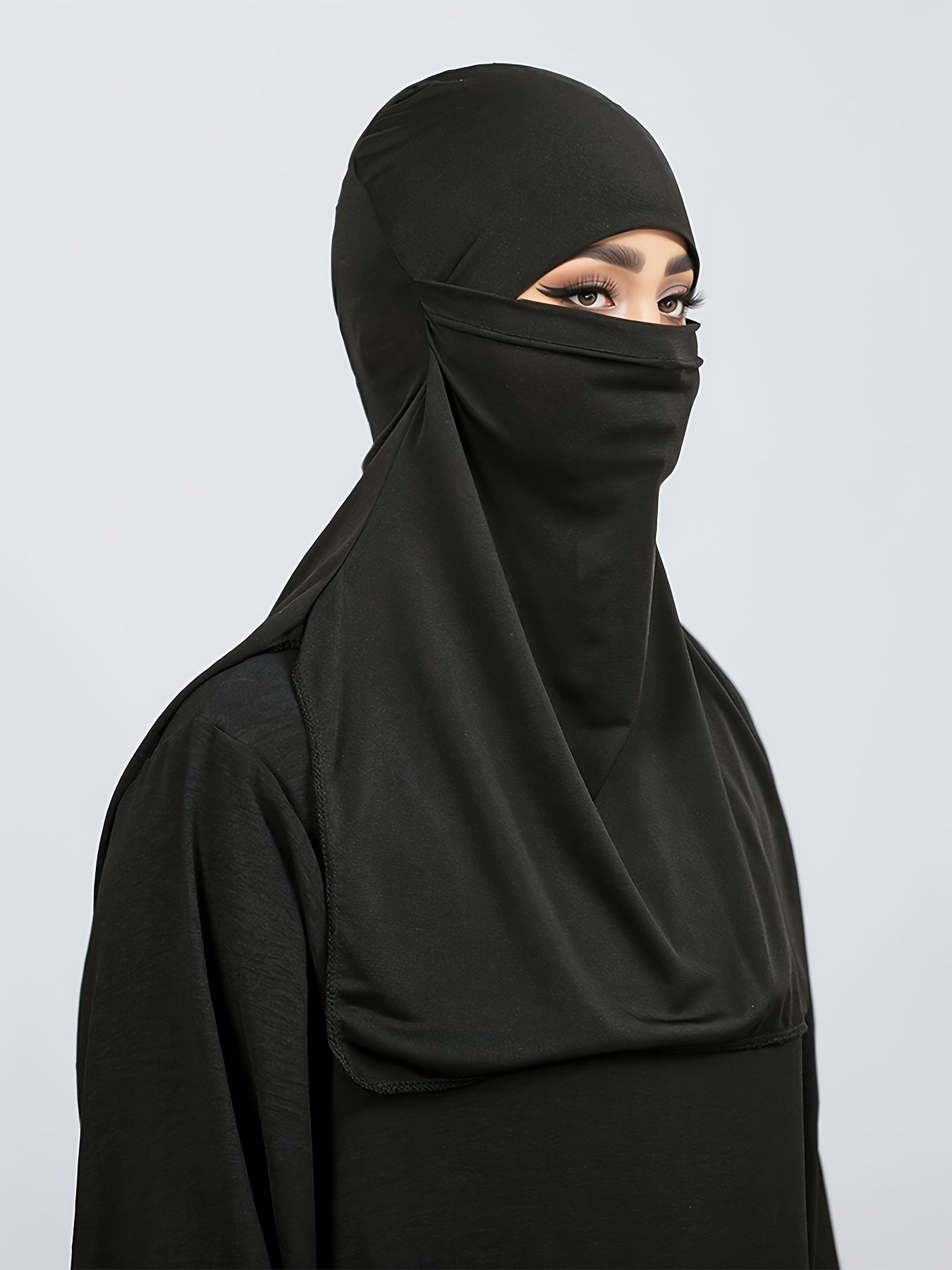
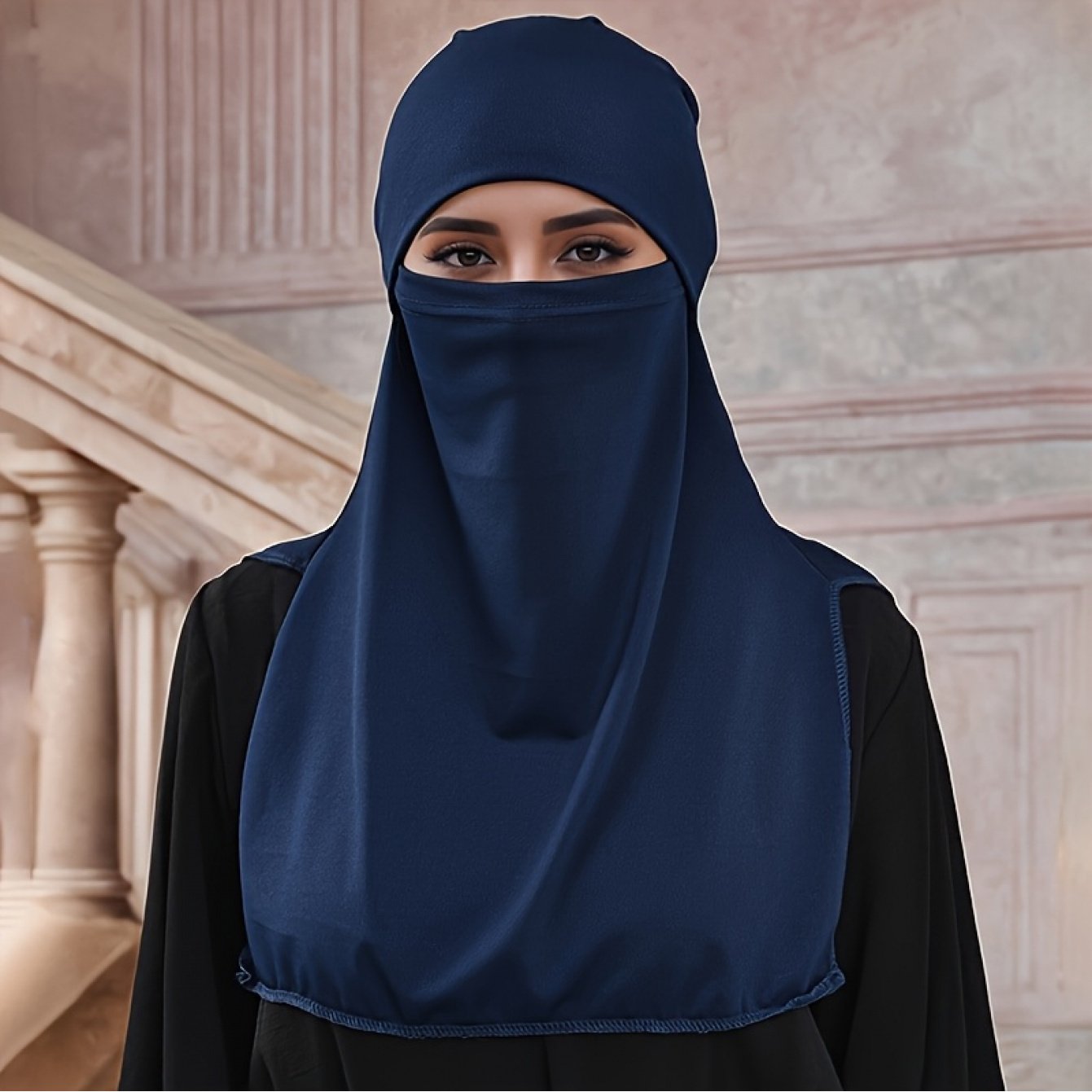
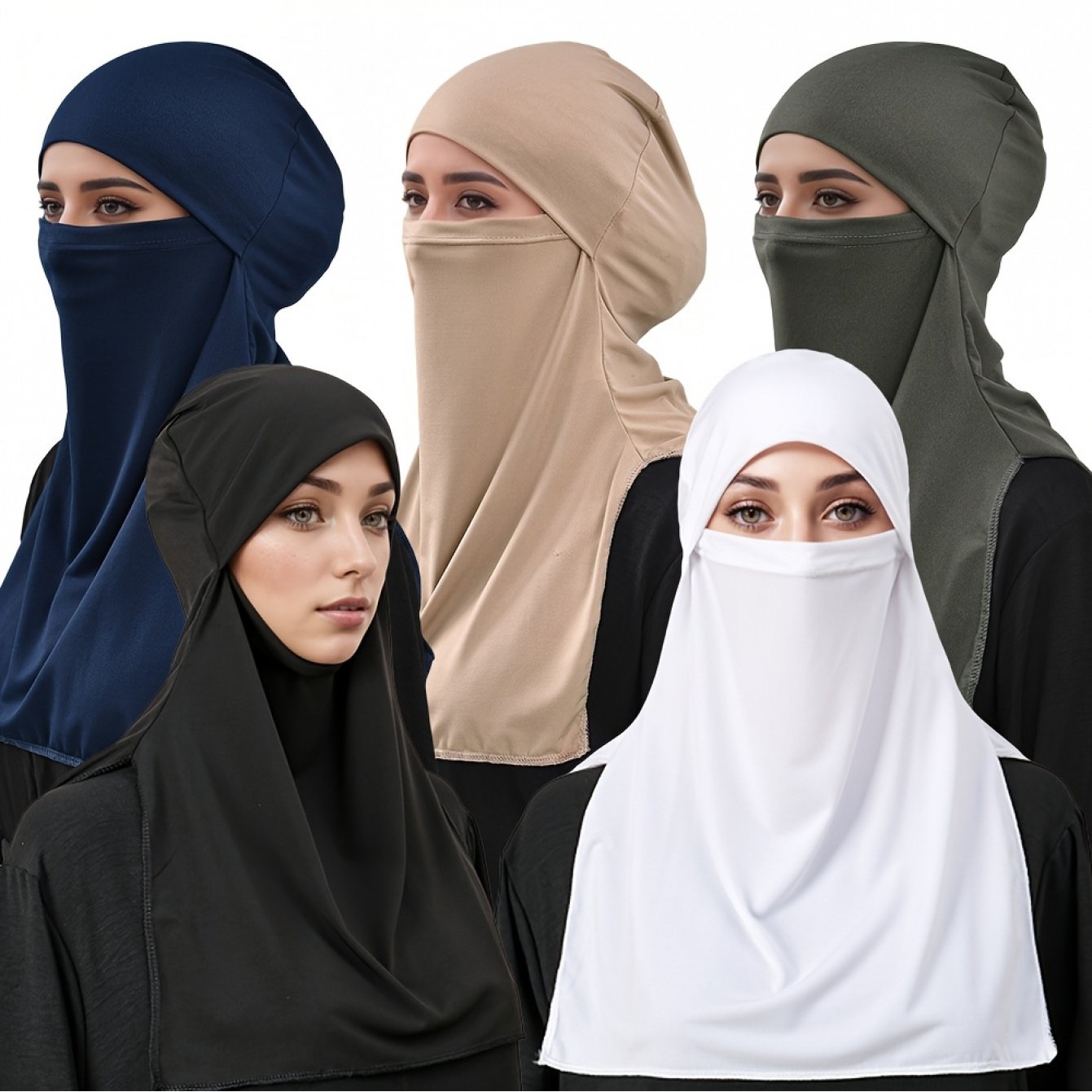
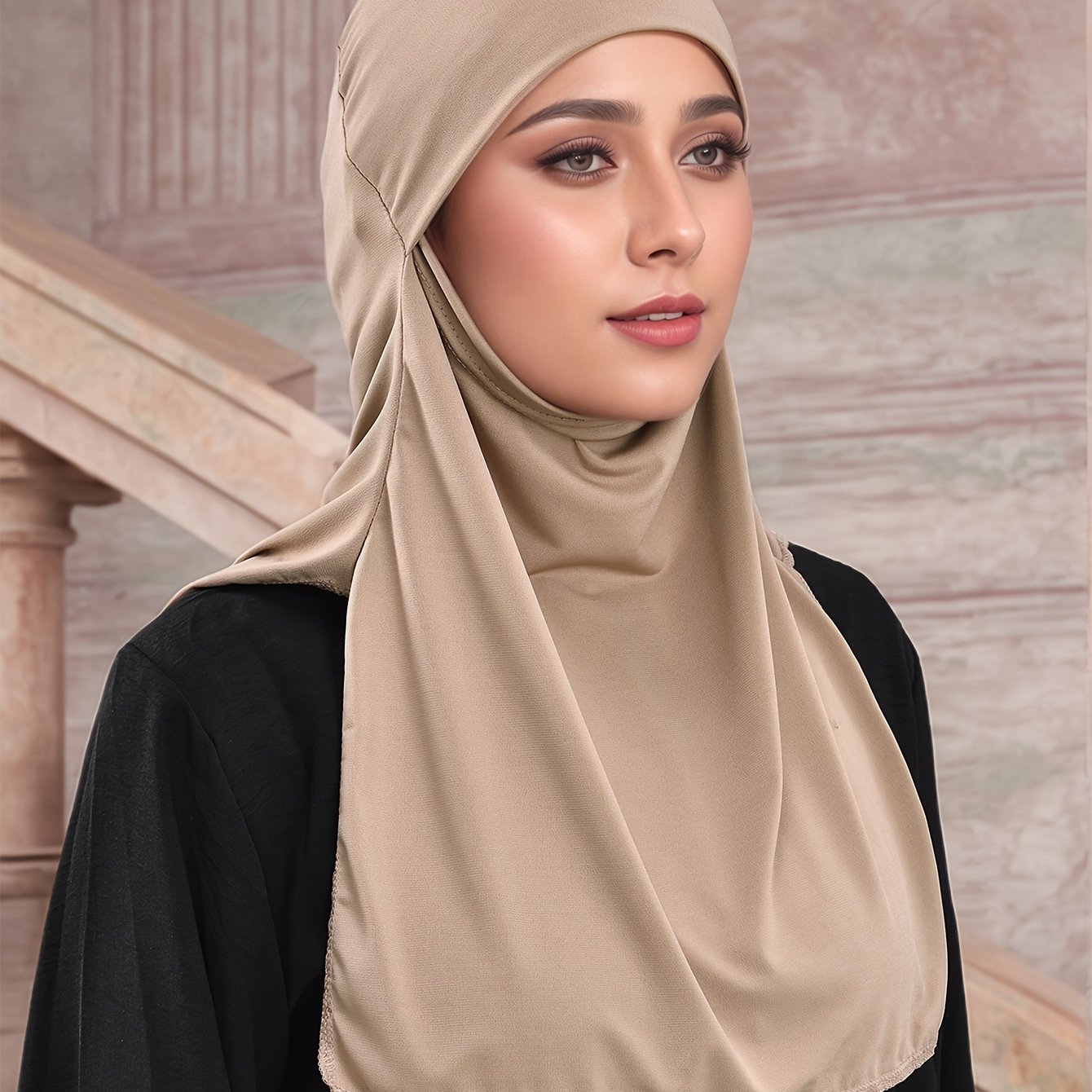
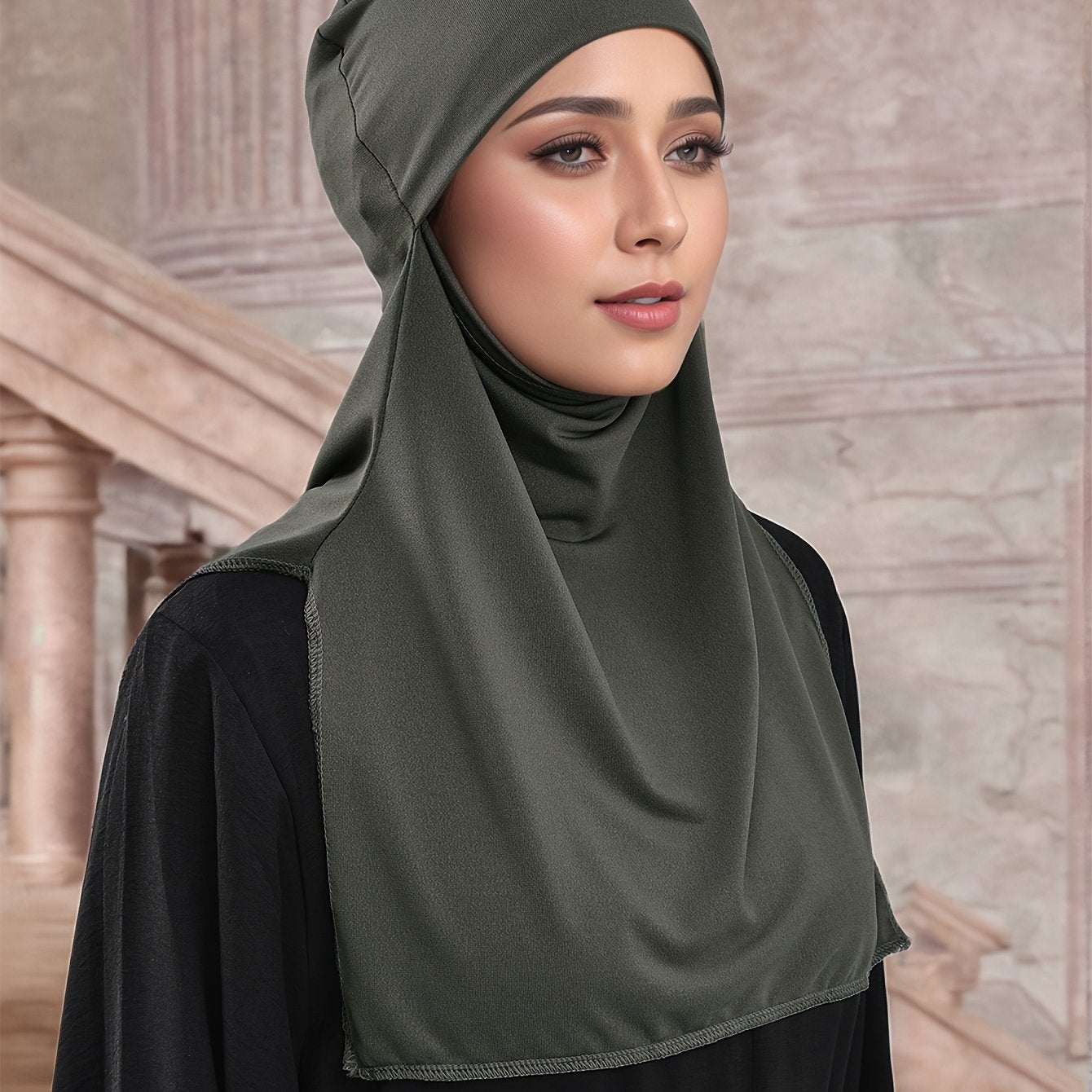
SPECIFICATIONS
Belt: No
Composition: 100% Polyester
Details: Asymmetrical
Fabric Elasticity: Micro Elasticity
Material: Polyester
Operation Instruction: Machine wash or professional dry clean
Other Material: Polyester
Pattern: Solid color
Printing Type: No Printing
Season: All
Sheer: No
Style: Elegant
Type: Abaya
Weaving Method: Woven
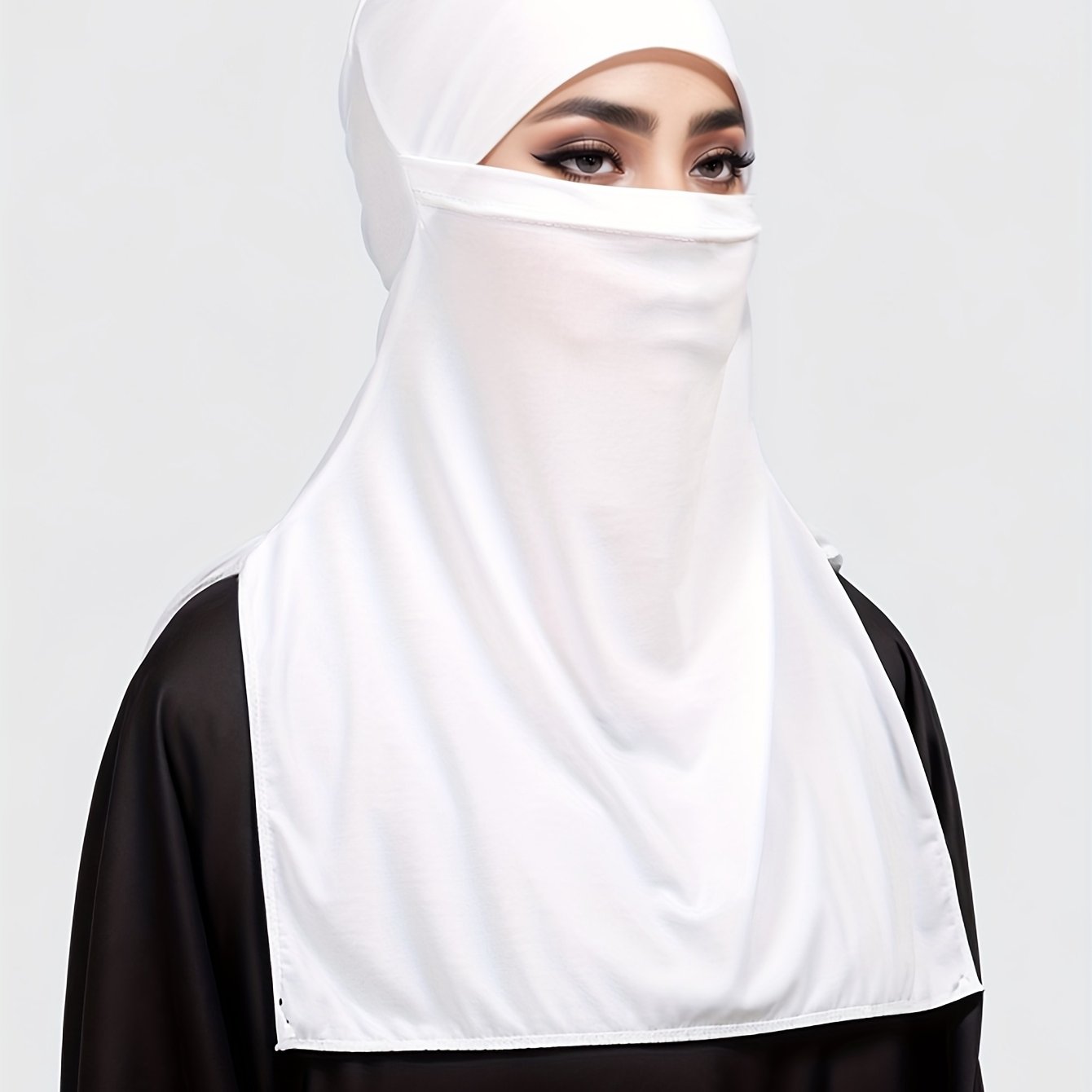
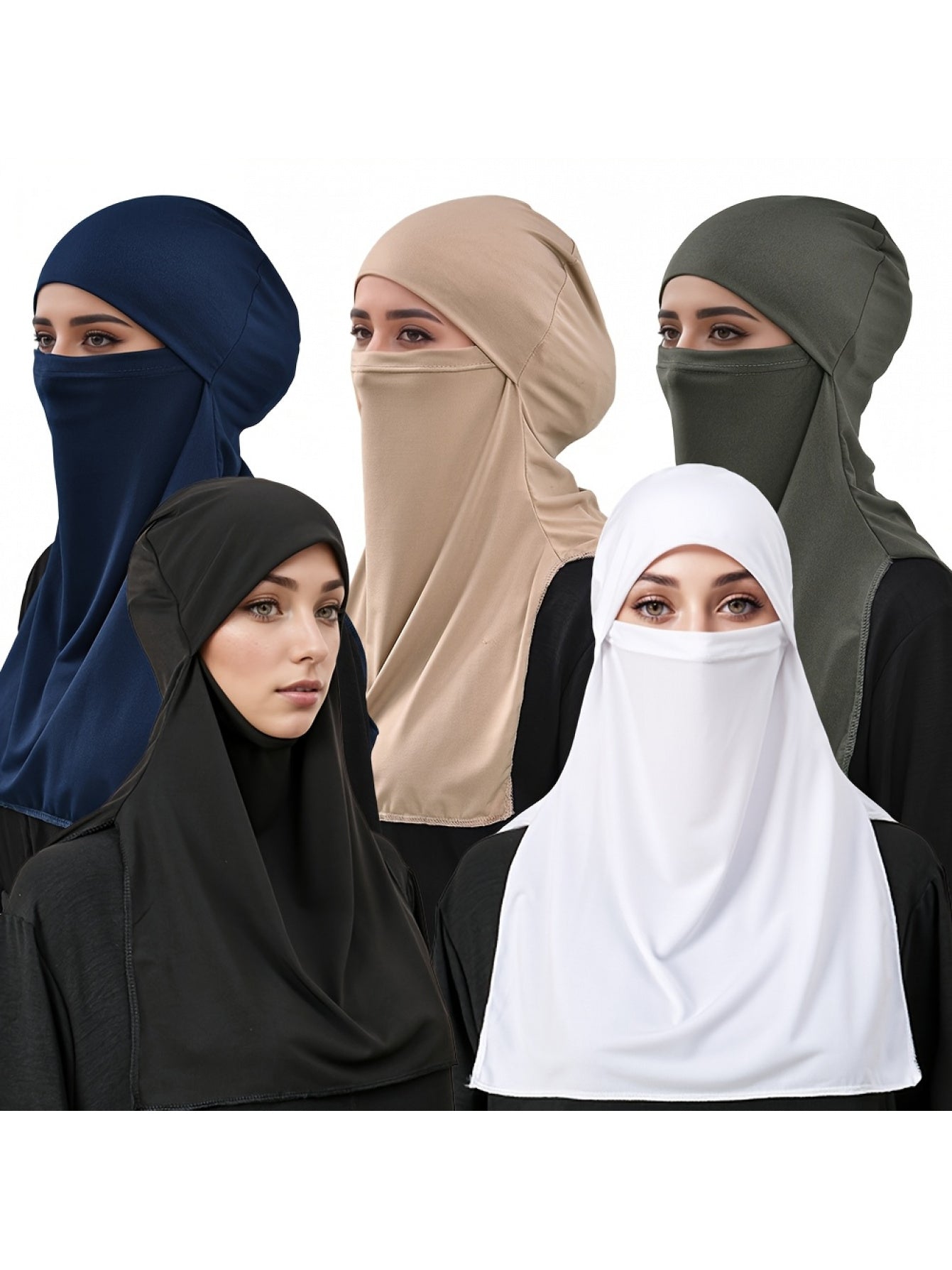
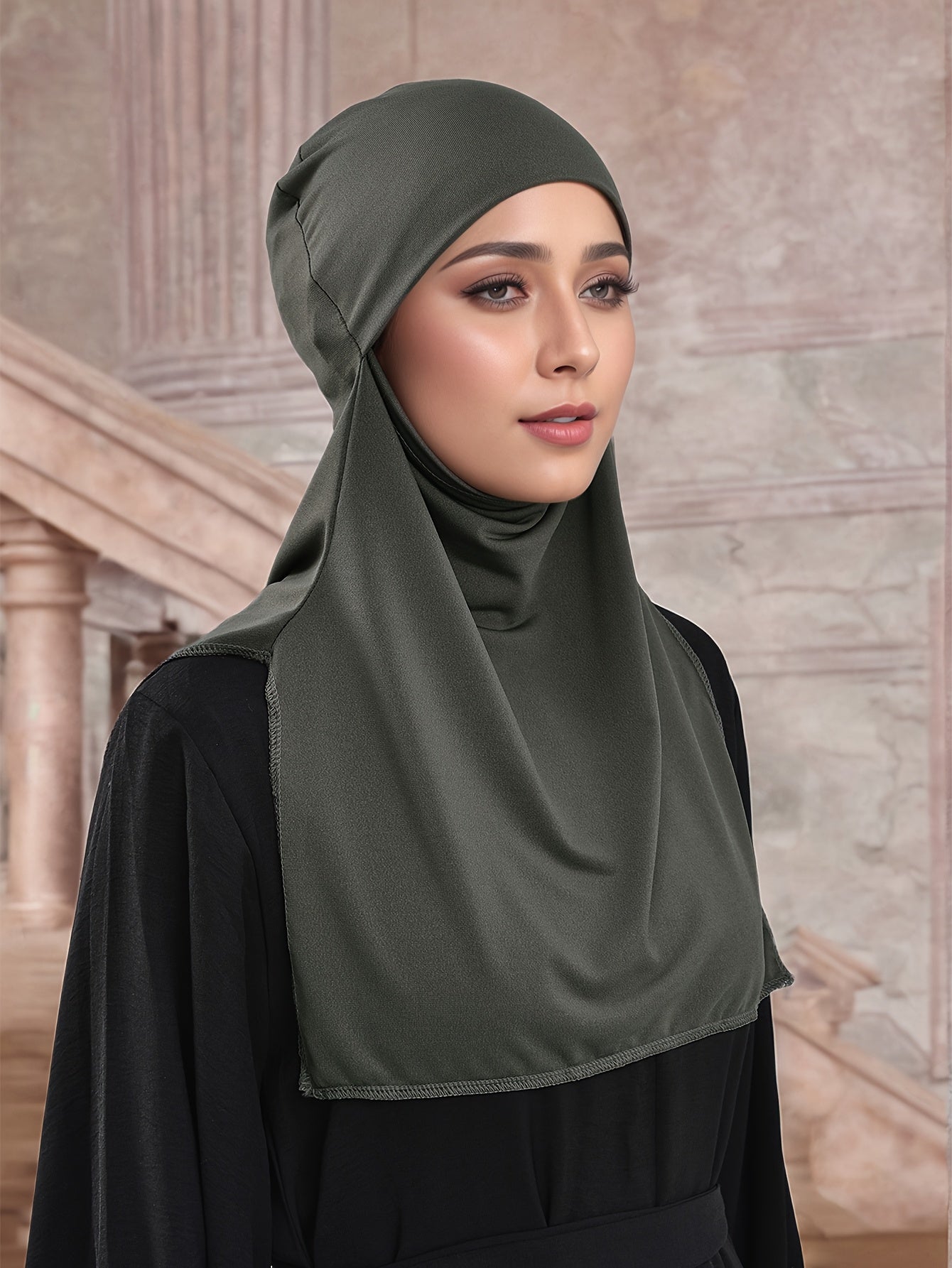
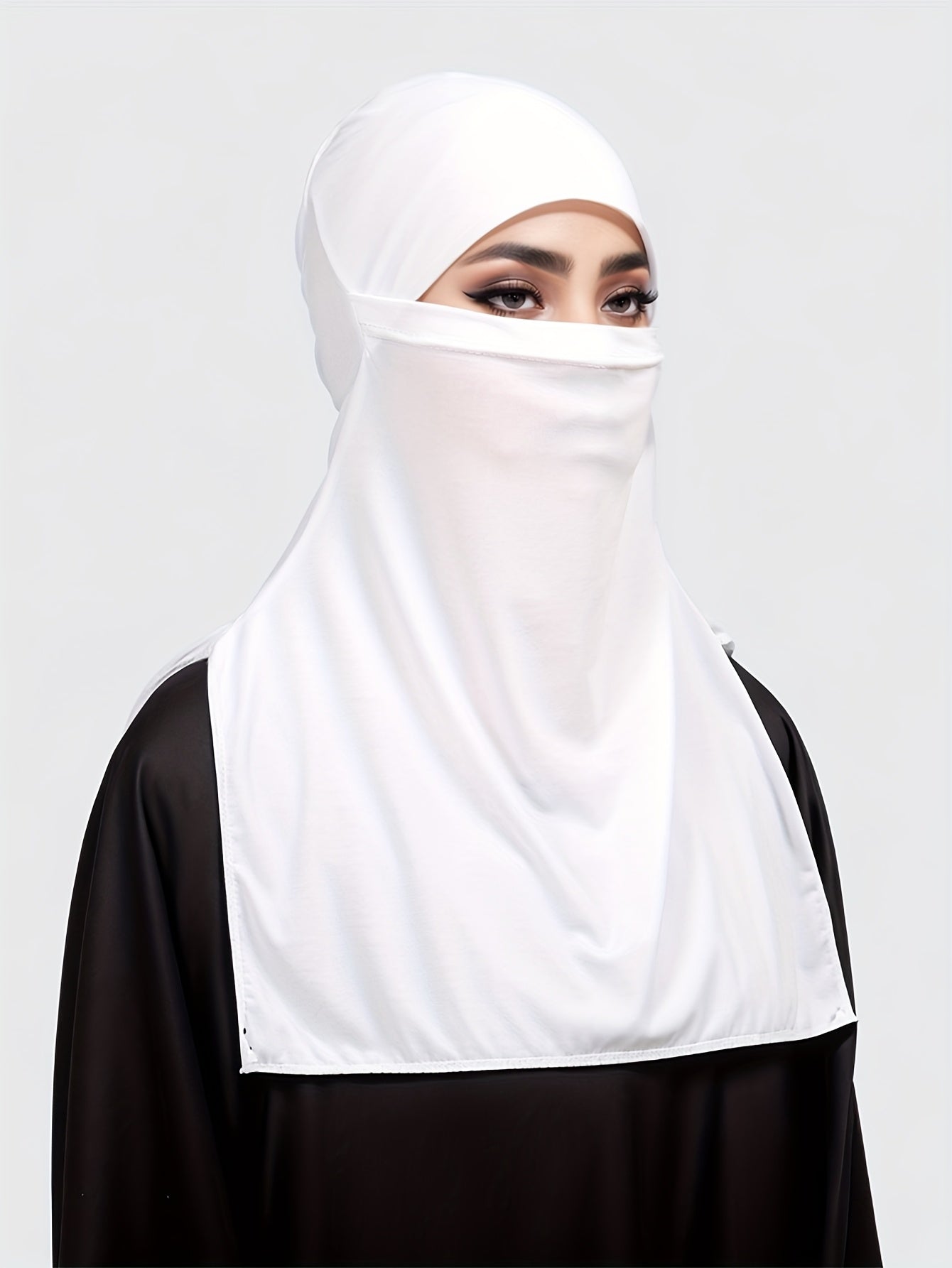
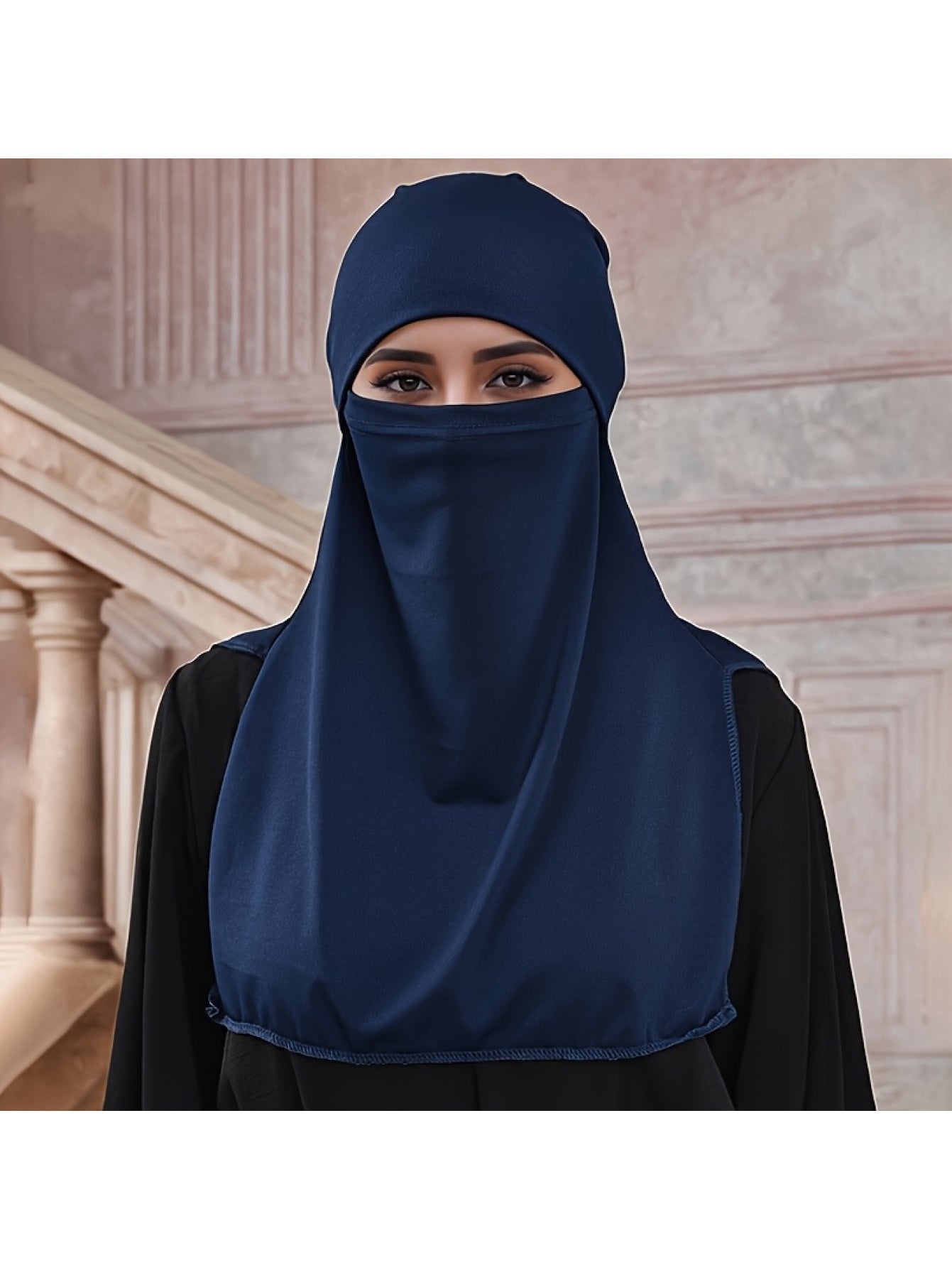
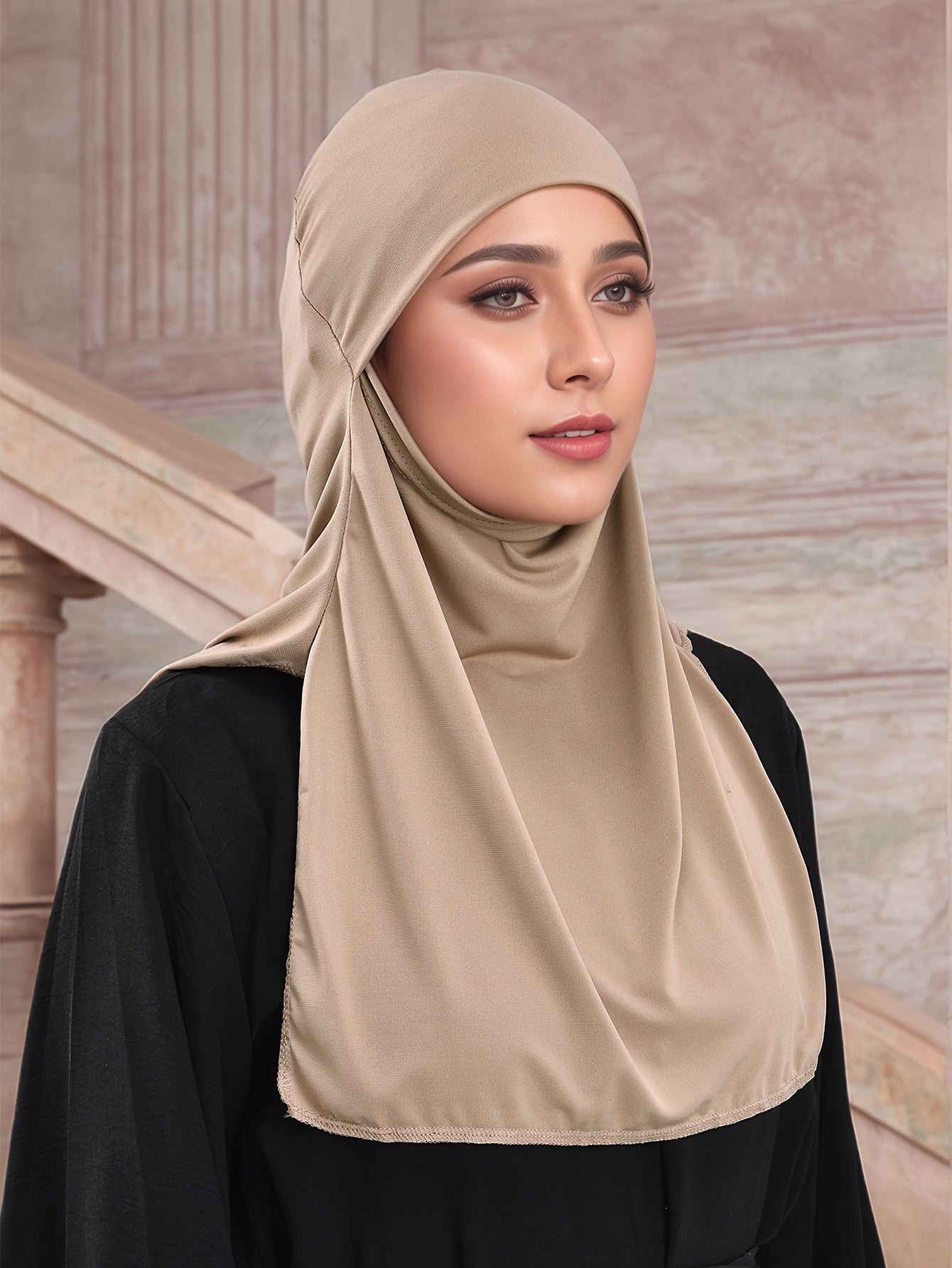
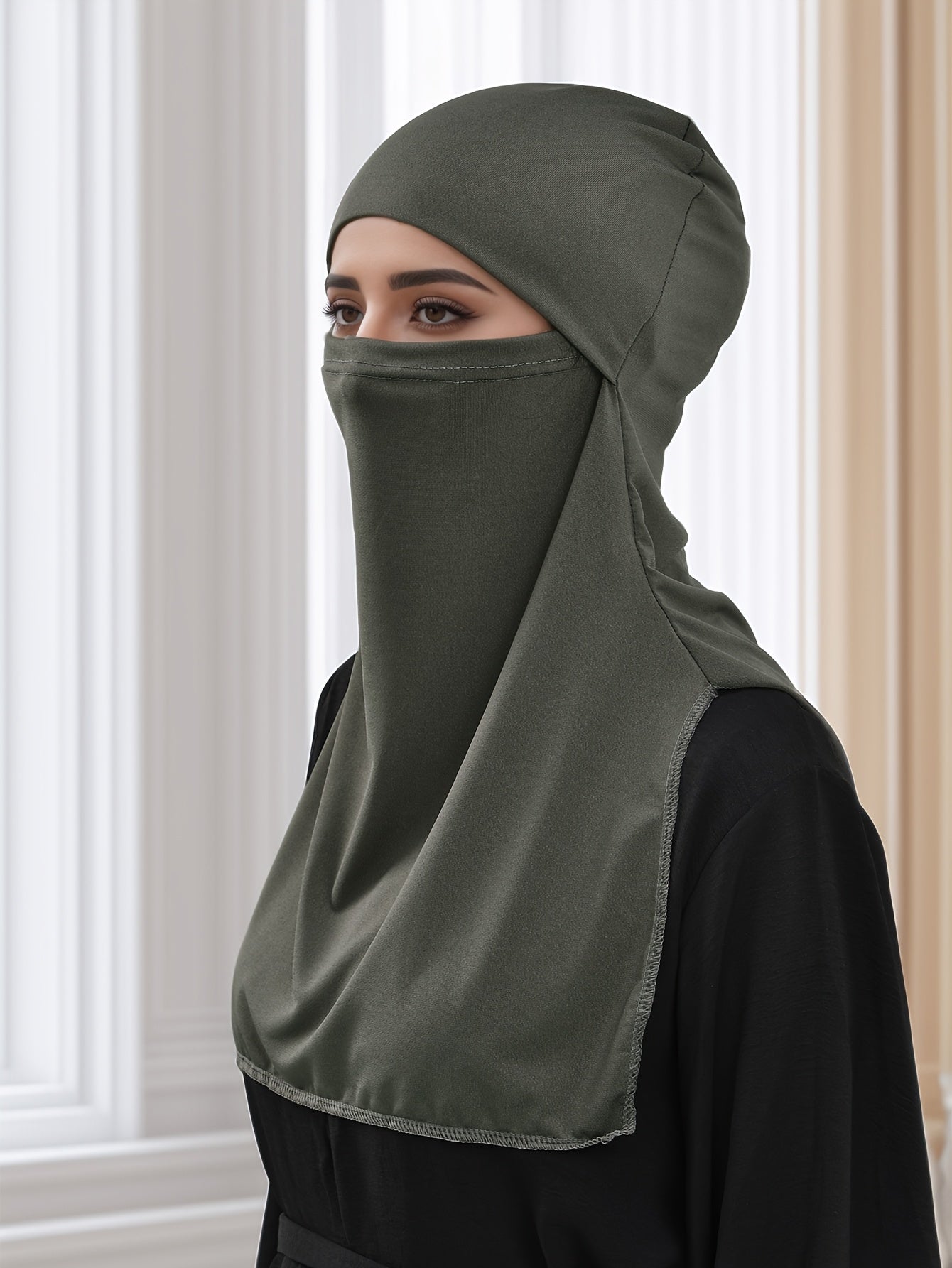
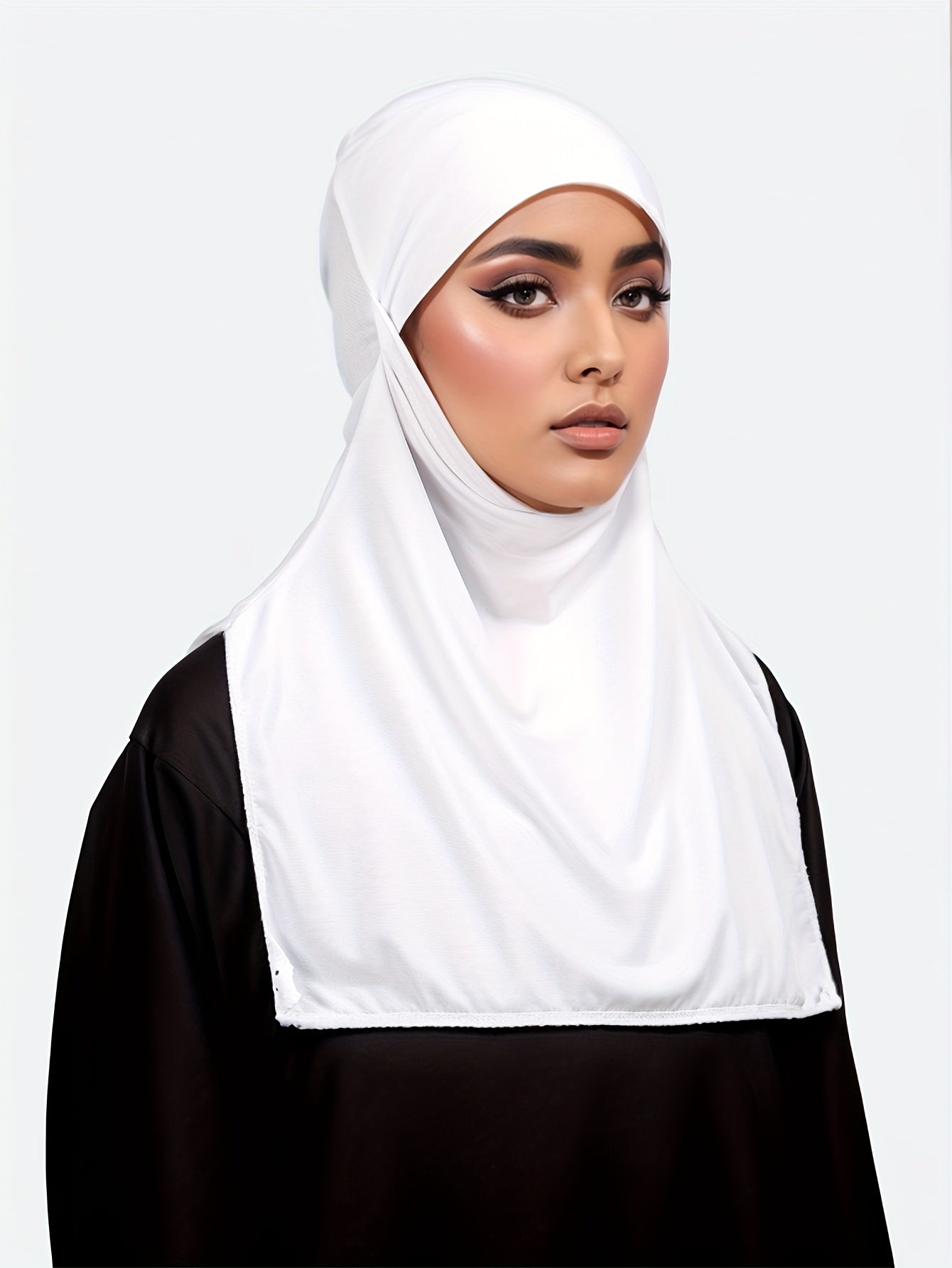
All-Season Women’s Large Khimar Abaya – Elegant Solid Beige Hijab Scarf with Asymmetrical Design, Easy-Care and Machine Washable
The Elegant Muslim Women’s Large Headscarf is more than a garment; it is a study in the architecture of refined modesty. Every angle, cut, and drape has been meticulously thought through, resulting in a piece that exudes both simplicity and grandeur. The asymmetrical design, a feature not commonly explored in traditional hijabs, sets this scarf apart as a truly avant-garde accessory. While many scarves conform to uniform silhouettes, this one deliberately plays with balance and geometry, allowing for movement and drama in the way it falls. This fluid design language creates visual interest while maintaining full modest coverage, making it suitable for both conservative and fashion-forward settings.
This design speaks to a lineage of couture craftsmanship that values discretion, harmony, and understated refinement. The silhouette flatters without clinging, providing ample coverage around the shoulders and upper body. Its flowing cut allows women to pair it seamlessly with abayas, jilbabs, or even tailored coats, giving the wearer endless flexibility. It has been engineered to work as a standalone headscarf or as a versatile foundation for accessories like hats, brooches, and pins, expanding its reach beyond conventional uses. By achieving a balance between structure and freedom, the design transforms modest wear into an elevated experience of style and confidence.
Colors: The Luxury of Light Beige
Color is more than surface decoration; it is a language of mood, emotion, and cultural resonance. The chosen light beige for this headscarf is not arbitrary—it reflects an intentional curation of timeless sophistication. Beige is universally flattering, a neutral that adapts to skin tones, wardrobe palettes, and seasonal transitions. It holds the subtle warmth of sand at dusk and the soft luminosity of pearl, making it a rare shade that embodies both serenity and strength.
Unlike bold tones that risk overshadowing other elements of an ensemble, beige has an extraordinary ability to act as a base while still asserting elegance. It frames the face with softness, evoking calmness and dignity, while simultaneously serving as a versatile backdrop for layering. This neutrality ensures that the scarf transitions effortlessly across contexts—from religious rituals to casual outings, from professional settings to celebratory occasions. The light beige tone also resonates with cultural ideals of purity, modesty, and natural beauty, enhancing the scarf’s role as a symbol of refinement.
The sophisticated neutrality of the color allows women to pair it with nearly any garment. It can soften the austerity of a dark abaya, complement the vibrancy of jewel-toned dresses, or harmonize with other pastels for an understated aesthetic. In luxury terms, beige is never plain; it is intentional restraint, a mark of timeless taste. The scarf’s beige hue positions it within the global language of luxury fashion, echoing the palettes seen on couture runways while preserving its modest roots.
Materials: Crafting Comfort with Precision
Luxury in modest wear begins with fabric. The material selected for this large khimar-style headscarf combines durability with softness, delivering an experience that goes beyond aesthetics into the realm of tactile comfort. The textile possesses a gentle fluidity, allowing it to drape with elegance rather than stiffness. Its breathable quality ensures that it can be worn throughout the year, transcending seasonal limitations.
One of the defining attributes of the material is its machine-washable practicality. While many luxury scarves require delicate hand treatment or costly dry cleaning, this piece is designed with the modern woman in mind. It retains its form, color, and softness even after repeated washes, making it not only a statement of beauty but also a dependable companion in daily life. The resilience of the fabric elevates its long-term value, as it resists pilling, fading, or distortion.
There is a careful balance achieved between weight and lightness. The material is not so sheer as to compromise coverage, nor is it so heavy as to cause discomfort in warmer climates. This balance ensures that the scarf moves with the body while maintaining an aura of composure. It is pliable enough to allow for intricate folds and styling, yet structured enough to preserve its silhouette throughout the day. In every sense, the fabric embodies the principle that true luxury lies in harmony—where durability and softness coexist seamlessly.
Functionality: Versatility for Modern Life
Functionality has become an essential marker of luxury in the modern age. This large khimar abaya-style headscarf is designed not only to look elegant but also to function effortlessly in daily life. Its asymmetrical cut provides generous coverage while avoiding the excess bulk that can sometimes overwhelm larger scarves. The scarf allows women to move freely, whether walking outdoors, attending formal gatherings, or engaging in spiritual practice.
The versatility of the design extends beyond its use as a simple head covering. Because of its cut and size, it doubles as a layering piece under hats, turbans, or decorative pins. This adaptability empowers the wearer to experiment with styling while retaining the modesty that anchors the garment’s purpose. Its breathable, lightweight nature makes it suitable for summer, while its layered drape provides warmth in cooler months, truly positioning it as an all-season essential.
The machine-washable feature amplifies its practicality, catering to modern lifestyles where convenience is crucial. Women no longer need to compromise between sophistication and ease of care. The scarf transitions seamlessly between roles: a shield against sunlight in outdoor settings, a formal accessory for events, a spiritual covering for prayer, and a fashion statement in casual gatherings.
The genius of this scarf’s functionality lies in its capacity to embody both constancy and transformation. It remains a timeless piece of modest fashion while simultaneously offering endless styling opportunities. In this way, it addresses not only the practical needs of modest dress but also the evolving expectations of modern women who demand adaptability, ease, and elegance in equal measure.
Cultural Relevance: Honoring Tradition Through Modern Refinement
The headscarf has occupied a central position in the cultural and spiritual lives of women across diverse societies. Within Islamic tradition, the khimar and abaya styles of head coverings serve as symbols of modesty, faith, and identity. They are not merely garments but carriers of heritage, expressing centuries of collective memory and meaning. The Elegant Muslim Women’s Large Headscarf reflects this history with dignity, honoring the principles of modesty while translating them into a design language that resonates with today’s generation.
Its asymmetrical silhouette represents a subtle evolution of the classic form. While modest coverings have historically leaned toward symmetrical shapes that emphasize uniformity, this piece introduces gentle asymmetry to reflect the individuality of the modern woman. The cultural essence remains intact—coverage, grace, and modesty—but it is presented in a way that harmonizes with contemporary aesthetics. This design choice underscores the adaptability of modest fashion, showing that traditions can be preserved while allowing for innovation.
Culturally, the choice of light beige connects the scarf to universal values of simplicity and purity. Across cultures, beige and neutral tones have been associated with naturalness, grounding, and elegance. In the Islamic world, lighter shades often symbolize humility and calmness, making this scarf deeply resonant with both cultural symbolism and universal beauty. Its relevance is not confined to one region but transcends borders, appealing to women from the Middle East, North Africa, South Asia, and beyond.
By situating itself at the intersection of history and modernity, the scarf becomes more than attire; it is a cultural statement. It communicates continuity with tradition while simultaneously reflecting a progressive interpretation of modest wear. This cultural layering enhances its role in a woman’s wardrobe, transforming it into a versatile accessory that honors heritage while engaging with contemporary fashion conversations.
Styling: Luxury in the Everyday and the Extraordinary
Styling a headscarf is an art, and the versatility of this piece makes it an exceptional canvas. The asymmetrical design offers infinite styling options, allowing the wearer to experiment with drapes, folds, and layering techniques. Its generous cut provides enough length to create dramatic silhouettes, while its tailored shape ensures that it maintains structure and elegance even in the simplest wraps.
For everyday wear, the scarf can be styled in classic draped folds over the shoulders, providing modest coverage while highlighting the light beige tone as a neutral foundation. Paired with a black abaya or a navy jilbab, the scarf creates contrast and balance, achieving a look that is effortlessly refined. Women who prefer softer aesthetics may pair it with pastel or muted earth tones, creating a monochromatic harmony that exudes sophistication.
In more formal settings, the scarf can be elevated with accessories. A brooch pinned to one side highlights the asymmetrical cut, while layering it beneath a structured hat offers a contemporary twist that is both modest and high-fashion. Its asymmetry naturally draws the eye, so even minimal embellishments such as pearl pins or metallic accents are amplified in effect. The scarf thus adapts seamlessly to occasions ranging from professional events to evening gatherings, positioning itself as both a functional and decorative accessory.
The scarf’s material plays an essential role in styling, as its soft yet resilient texture allows it to hold folds without slipping or losing shape. This makes it suitable for intricate wrapping styles often seen in fashion-forward modest wear, where layers are built deliberately to frame the face and shoulders. At the same time, it remains equally effective when worn simply, draped naturally, demonstrating that true elegance lies in flexibility.
Styling this scarf is not about chasing trends but about amplifying personal expression. Whether worn in a minimalist fashion or as part of a layered ensemble, it adapts to the personality of the wearer. This adaptability is the hallmark of luxury—an item that does not dictate, but instead elevates, the individuality of the woman who wears it.
Versatility: From Ritual to Runway
The true measure of a garment’s luxury lies in its ability to transcend single-use limitations. This headscarf epitomizes versatility, moving fluidly across contexts without losing its relevance. In moments of spiritual practice, it serves its primary role as a modest covering, offering comfort and dignity. The generous cut ensures that coverage is comprehensive, allowing women to wear it with ease during prayer or religious gatherings.
Beyond the spiritual realm, the scarf proves itself as a versatile accessory in daily life. In outdoor settings, its light beige shade reflects sunlight, offering gentle protection against heat while maintaining a breathable comfort. For urban life, where women often transition between roles throughout the day, the scarf’s asymmetrical design allows for quick styling shifts—from casual draping to a more structured, event-ready arrangement.
In the realm of fashion, its understated luxury aligns perfectly with global runway aesthetics. Neutral tones dominate many luxury fashion houses, and the scarf’s palette positions it naturally within this narrative. It can be integrated into contemporary fashion ensembles, paired with tailored outerwear, wide-legged trousers, or even maxi dresses that play on proportion. Its asymmetry makes it particularly appealing to modern stylists who appreciate accessories with dynamic visual movement.
This versatility extends into seasonal wearability. Its breathable material ensures comfort in summer, while its layered design provides warmth in cooler months. Unlike seasonal garments that must be rotated out of wardrobes, this scarf remains relevant year-round. This continuity reinforces its long-term value, making it a reliable investment in modest luxury.
The scarf also speaks to the global dialogue around modest fashion, where cultural authenticity meets mainstream design. Modest wear has increasingly entered luxury markets, and this headscarf embodies the bridge between heritage and high style. It allows women to move confidently between cultural spaces and global fashion narratives without compromise.
Ultimately, the versatility of this piece lies not just in its material or design, but in its ability to embody multiple roles simultaneously. It is a garment of faith, a fashion statement, a seasonal essential, and a cultural symbol—all without losing coherence. This rare adaptability elevates it beyond functional attire into the realm of timeless investment.
Maintenance: The Ease of Everyday Elegance
Luxury does not have to come at the cost of complexity, and this large khimar-style headscarf proves that elegance can be maintained with remarkable ease. One of its defining advantages is its machine-washable practicality, a feature that aligns with the needs of modern women. While many high-end scarves are delicate and require specialized care, this headscarf is engineered to withstand regular washing without losing its form or refinement.
The fabric retains its softness and drape even after multiple washes, ensuring that the scarf continues to feel as luxurious on the hundredth wear as it did on the first. Its resistance to wrinkling means it emerges from the wash ready to wear, eliminating the need for laborious ironing. This characteristic is particularly valuable for women with busy schedules, who seek garments that balance style with convenience.
Maintenance extends beyond washing. The scarf’s material is resistant to pilling, meaning it will not develop the rough textures that diminish the beauty of lower-quality fabrics. Its light beige hue, often considered delicate in other textiles, has been crafted to resist fading. The scarf maintains its luminous tone through wear and wash, reflecting its commitment to longevity.
The asymmetrical cut also plays a role in its maintenance, as the structure allows it to fall naturally into shape without constant adjustment. Unlike scarves that require frequent re-draping, this piece remains composed throughout the day, enhancing not only the physical ease of wearing but also the psychological comfort of knowing one’s appearance remains polished.
Sustainability: Beyond Fashion, Toward Responsibility
Sustainability is no longer an optional consideration in fashion; it has become an imperative. This headscarf exemplifies a shift toward garments that prioritize not only beauty and utility but also responsibility. Its machine-washable nature reduces reliance on dry-cleaning, an industry often associated with chemical-intensive processes. By enabling care at home with simple water-based washing, the scarf minimizes environmental impact while maintaining quality.
The durability of the material contributes to sustainable fashion practices by extending the life cycle of the garment. In a world where fast fashion encourages disposability, this scarf is positioned as an antidote. Its resilience against wear ensures that it can be relied upon season after season, reducing the need for frequent replacements. This long-lasting quality is not just a matter of personal convenience but a conscious step toward reducing textile waste.
The choice of a neutral light beige tone further aligns with sustainability. Neutral colors transcend fleeting trends, ensuring that the scarf remains stylish across years rather than months. This makes it not just a fashion accessory but a wardrobe investment, one that supports a culture of mindful consumption.
Sustainability also emerges in its cultural positioning. By blending traditional modest values with modern design, the scarf promotes a form of fashion that resists over-commercialization. It celebrates cultural heritage while rejecting the relentless turnover of trends. In doing so, it offers women a way to engage with fashion without participating in the cycle of disposability.
In essence, sustainability here is not only about the environment but also about the sustainability of culture, tradition, and values. The scarf becomes a symbol of continuity—ensuring that modest wear remains relevant for future generations without compromising ecological consciousness.
Long-Term Value: An Heirloom of Modern Modesty
True luxury is measured not by how quickly an item dazzles, but by how long it continues to hold value. This large khimar-style headscarf embodies long-term value through design, durability, and cultural resonance. It is not an item that loses relevance once a season passes; instead, it grows more meaningful the longer it is worn.
The scarf’s design ensures timeless appeal. The asymmetrical cut may be modern, but it is not bound to a transient trend. Rather, it introduces an architectural elegance that remains striking regardless of changing fashion cycles. The solid light beige color further enhances this timelessness, ensuring that the scarf pairs with evolving wardrobes and styles without losing harmony.
Durability is central to its value. The scarf resists fading, maintains its structure, and avoids wear-and-tear that diminishes cheaper garments. This allows it to function as a long-term investment, providing continuous elegance for years rather than months. Women who choose this scarf are not simply making a purchase; they are securing a companion that will accompany them through multiple seasons, occasions, and life chapters.
The cultural resonance of the scarf also adds to its value. As modest fashion continues to expand globally, pieces that honor tradition while aligning with modern aesthetics gain increasing relevance. This headscarf positions itself within this trajectory, ensuring that it will remain significant as modest wear becomes a central voice in international fashion. Its dual role—as both cultural symbol and style statement—guarantees its place in future wardrobes.
On a personal level, long-term value also lies in the experiences tied to the garment. Women who wear this scarf during important life events—celebrations, gatherings, spiritual moments—create memories that imbue the scarf with meaning beyond fabric. Over time, it becomes not just clothing, but a vessel of personal history. This emotional durability amplifies its value, transforming it into a piece that may one day be passed down as a cherished heirloom.
The Intersection of Luxury, Responsibility, and Time
In reflecting on maintenance, sustainability, and long-term value, the headscarf reveals itself as more than a product. It becomes a commentary on the evolution of fashion in an age where consciousness is as important as aesthetics. Women today are not merely consumers of garments; they are custodians of values, culture, and identity. This scarf answers to that responsibility by offering a solution that is both luxurious and sustainable.
The ease of its care speaks to a new definition of elegance—where luxury aligns with practicality rather than standing in opposition to it. No longer must women choose between beauty and convenience; they can have both. Its sustainable features remind us that true refinement is not reckless but thoughtful, making choices that honor both the planet and the traditions we inherit. And its long-term value demonstrates that fashion, when crafted with intention, has the power to transcend seasons and trends, offering continuity in a world that often prizes the temporary.
By integrating all these qualities, the scarf becomes a manifesto of modern modest luxury. It challenges the narrative of disposability, presenting instead a vision of fashion as heritage, responsibility, and investment. In wearing it, women participate in a narrative that is both personal and collective—where elegance is not fleeting but enduring, and where luxury is not indulgence but intentionality.
Understanding Elegance in Detail
Luxury products invite curiosity, and discerning women often want to know the fine details before embracing a piece as part of their wardrobe. The Elegant Muslim Women’s Large Headscarf is no exception. Below are carefully curated insights into the most frequent questions surrounding this asymmetrical light beige scarf, articulated not in the form of marketing jargon but as part of an elevated conversation about quality, functionality, and timelessness.
One of the most common questions centers on sizing. Because this is a large khimar-style scarf, it offers generous coverage that extends across the shoulders, chest, and upper body. This makes it suitable for women who seek comprehensive modesty without compromising on flow and elegance. The size also allows for diverse styling options—from simple wraps to elaborate folds—making it adaptable to personal preferences. For women accustomed to smaller headscarves, this piece provides a liberating canvas that expands the realm of possibility in styling.
Another frequent inquiry revolves around seasonal wear. The scarf has been deliberately crafted as an all-season accessory, balancing breathability with structure. Its fabric is light enough to allow airflow during warm months while maintaining sufficient layering to provide comfort in cooler climates. This ensures that the scarf never feels out of place, whether worn under the summer sun or layered in the winter chill. Unlike garments tied to specific weather conditions, this scarf functions as a perennial companion, ensuring year-round relevance.
Questions about care also arise, particularly among women who appreciate luxury but live busy lives. The machine-washable nature of the scarf resolves these concerns with ease. Unlike delicate silks or cashmere, which demand costly dry-cleaning, this fabric is designed for resilience. It can be washed at home without losing softness, color, or drape. This feature makes the scarf not only luxurious but also practical, aligning with the realities of modern life while preserving its elevated aesthetic.
Practical Insights: The Subtle Details That Define Luxury
Beyond questions, the true appreciation of this scarf lies in understanding the subtle details that define its luxury. One of the most remarkable qualities is its asymmetrical design, which adds movement and dynamism to the silhouette. This is not a flamboyant asymmetry that overwhelms the wearer, but a refined shift in balance that gives the scarf architectural character. It allows the fabric to fall in unique ways with each drape, ensuring that no two stylings appear identical. In luxury fashion, this kind of nuanced irregularity is highly prized, as it elevates garments from uniformity to individuality.
Another insight lies in its adaptability as a base for accessories. The scarf’s clean, solid color provides the perfect canvas for adornments such as brooches, pins, or hats. This transforms it into more than a standalone garment; it becomes a foundation upon which women can express creativity. A jeweled pin on one side highlights the asymmetry, while a tailored hat layered on top introduces an avant-garde edge. Such versatility means that the scarf adapts to shifting moods and occasions, embodying the very essence of modern luxury—freedom of expression anchored by timeless design.
Practical elegance also emerges in the weight and drape of the fabric. Many headscarves either fall too lightly, requiring constant adjustment, or sit too heavily, causing discomfort. This piece achieves a rare equilibrium. Its material drapes naturally, staying in place without fuss, while still being pliable enough to accommodate intricate wraps. This harmony of movement and stability reflects the thoughtfulness of its construction, reminding us that true sophistication lies in comfort as much as in beauty.
The light beige hue, too, is a practical yet luxurious choice. Beige is versatile enough to harmonize with bold prints, dark solids, or delicate pastels. It avoids the constraints of colors tied to particular events or trends. Instead, it functions as an eternal neutral, always in style and always adaptable. In practice, this means the scarf reduces the need for multiple color-specific headscarves, allowing women to invest in one timeless piece that pairs with an entire wardrobe.
Expanding the Role of Modest Fashion in Modern Wardrobes
This headscarf also raises broader practical insights into the evolving role of modest fashion. No longer confined to purely religious or cultural spaces, modest garments have entered mainstream conversations about style, elegance, and identity. The scarf, with its dual role as cultural attire and fashion accessory, exemplifies this shift. It allows women to navigate professional, social, and spiritual spheres without needing to adjust their identity for context.
Practicality here is not about stripping the garment of its meaning but about expanding its significance. By designing a scarf that is equally at home in a prayer setting, a corporate meeting, or a fashion-conscious gathering, the makers have responded to the realities of women who move fluidly between worlds. This reflects the essence of modern luxury: a refusal to compartmentalize identity, instead celebrating its multidimensionality.
Moreover, the scarf speaks to a growing awareness among women that clothing should be investments rather than disposable trends. Luxury today is not measured solely in price or exclusivity but in how well a garment integrates into a life lived fully. This scarf, with its adaptability and longevity, aligns perfectly with that awareness. It becomes less an accessory and more an anchor, grounding a wardrobe with sophistication and meaning.
Why Practical Luxury Matters
In contemplating the FAQs and practical insights, it becomes clear that luxury in the modern sense is no longer about excess or difficulty. The era of garments that demand endless care but offer little return is fading. Instead, luxury has become synonymous with intelligence, with design that respects the wearer’s time, lifestyle, and cultural values.
This scarf embodies that evolution. Its machine-washable convenience represents a democratization of elegance, where beauty does not exclude practicality. Its versatility across seasons and settings reflects a commitment to longevity, ensuring that women can rely on it for years. And its role as a cultural yet fashionable accessory shows how luxury can honor tradition without being limited by it.
The insight here is profound: practical luxury allows women to live fully without compromise. It acknowledges that elegance should accompany, not burden, the rhythm of life. It suggests that the most sophisticated garments are not those that demand reverence from afar, but those that serve, support, and elevate the women who wear them. In this way, the scarf transcends its material form, becoming part of a philosophy where style and life flow seamlessly together.
Styling Inspirations: Transforming Simplicity into Statement
Styling the Elegant Muslim Women’s Large Headscarf begins with its most defining feature: versatility. Unlike scarves limited to one or two practical arrangements, this piece invites experimentation. Its asymmetrical cut introduces natural movement, which can be shaped into countless silhouettes depending on the wearer’s intent. For the minimalist, it can be draped simply, cascading over the shoulders in clean folds that accentuate its light beige tone. For the bold, it can be layered and pinned to create a sculptural effect, allowing the asymmetry to frame the face with elegance.
One styling approach draws on the tradition of layering beneath structured hats. The scarf’s lightweight fabric and neutral tone create a refined base for wide-brim hats or soft berets, adding dimension without clashing with the main accessory. In such styling, the scarf becomes a discreet frame that enhances the sophistication of the entire ensemble. Another approach emphasizes accessories: pearl pins placed strategically on one side highlight the asymmetry, while metallic brooches add flashes of luminosity against the neutral canvas.
The scarf also lends itself beautifully to contrast styling. Worn with darker abayas—such as black, navy, or emerald—it creates an interplay of light and shadow, softening austerity while adding balance. When paired with floral dresses or pastel separates, it blends seamlessly into the palette, offering cohesion rather than competition. The fabric’s drape allows for both formal and casual interpretations, ensuring that a woman can adjust her styling to suit the moment, whether she is walking into a professional meeting or attending a celebratory gathering.
Ultimately, styling this scarf is an act of personal artistry. It does not dictate rules but provides the foundation for self-expression. Luxury lies in this freedom—the ability to craft one’s identity while retaining a sense of cultural continuity and refinement.
Seasonal Relevance: An All-Year Companion
A garment’s worth is magnified when it transcends seasonal boundaries. This headscarf is deliberately crafted to function as an all-year companion, a rare quality in luxury fashion where seasonality often dictates relevance.
In spring, the light beige tone resonates with the season’s natural palette, harmonizing with soft pastels and floral motifs. The breathable fabric provides just enough coverage for transitional weather, offering comfort in fluctuating temperatures. In summer, the scarf comes into its own as a shield against heat and sun. Its neutral tone reflects rather than absorbs light, while the fabric’s breathability ensures airflow. Women can wear it outdoors without discomfort, making it both protective and stylish.
Autumn brings deeper hues into wardrobes, and here the scarf’s neutral base acts as a grounding element. It pairs beautifully with earth tones—ochre, burgundy, forest green—softening their intensity while ensuring balance. The fabric’s slight weight also provides warmth, allowing it to layer effortlessly with coats and jackets. Winter, with its demand for insulation, highlights another facet of the scarf’s versatility. Its large size allows for layering not just as a head covering but also draped across the shoulders as a shawl-like accent. When worn beneath heavier outerwear, it retains elegance while adding warmth, proving that functionality and luxury can coexist seamlessly.
Seasonal relevance also extends beyond weather. The scarf’s understated tone and flowing silhouette make it suitable for seasonal events—spring weddings, summer festivals, autumn cultural gatherings, and winter celebrations. Unlike garments tied to specific trends or climates, it remains perennially in style, ensuring that women do not need to rotate it out of their wardrobes. Its continuity across time positions it as a true investment piece, one that embodies the essence of enduring luxury.
Cultural Narrative: A Story Woven in Fabric
Every garment carries a story, and this headscarf’s narrative is rooted in both tradition and progression. The khimar and abaya forms trace back centuries, symbolizing modesty, devotion, and cultural pride. Women across generations have embraced such coverings as expressions of faith and dignity, weaving them into daily life and special occasions alike. This scarf honors that lineage, maintaining the essence of coverage and modesty while introducing an asymmetrical design that reflects contemporary sensibilities.
The cultural narrative here is not about replacing tradition but about extending it. The asymmetry acknowledges individuality, suggesting that modesty can coexist with modern design exploration. The choice of a solid light beige color reflects values of purity and neutrality, aligning with traditions of restraint while positioning the garment within global fashion’s minimalist aesthetic.
This duality—traditional symbolism combined with modern form—makes the scarf a cultural bridge. It speaks to women in diverse regions who seek garments that affirm identity without isolating them from global fashion currents. It resonates with the Middle Eastern woman who honors heritage, the South Asian woman who values modest adornment, and the European woman who appreciates understated elegance. In doing so, it demonstrates the universality of modest fashion, showing how cultural garments can transcend borders while retaining meaning.
The scarf’s narrative also engages with the global rise of modest fashion as a luxury sector. Once considered niche, modest wear now appears on international runways, in luxury editorials, and in mainstream fashion conversations. This scarf is part of that narrative, embodying the dialogue between cultural authenticity and contemporary design. It reminds the world that modest fashion is not an afterthought but a sophisticated genre with its own vocabulary of beauty, refinement, and elegance.
In essence, the cultural story woven into this scarf is one of resilience and renewal. It honors the past, embraces the present, and prepares for the future. It affirms that modest fashion is not static but evolving, capable of engaging with modernity without sacrificing identity.
The Historical Thread: From Ancient Roots to Modern Expression
The khimar and abaya are not modern inventions; they are garments with deep historical resonance. Across centuries, women in diverse regions have chosen coverings not only for modesty but also for symbolism, protection, and identity. These garments were never merely fabric; they were declarations of belonging, faith, and continuity. When one examines the lineage of the headscarf, one discovers that it is inseparable from the cultural landscapes in which it thrived.
The scarf’s asymmetrical design acknowledges this history while speaking the language of modernity. It is a reminder that history is not frozen; it evolves, carrying forward the essence of tradition while reshaping it to meet contemporary needs. In wearing such a scarf, a woman is not just clothing herself; she is engaging with centuries of cultural dialogue, embodying a story that began long before her and will continue after her.
The Philosophy of Modesty: Beyond Fabric
Modesty is often misunderstood as restriction, but within the cultural narrative of this scarf, modesty is power. It is a choice to present oneself with dignity, to cultivate inner beauty that radiates outward. The asymmetrical design does not compromise modesty but reinterprets it. It suggests that modesty and individuality are not opposites—they coexist, enriching one another.
The light beige tone embodies restraint, a cultural value present in many traditions where humility is celebrated. Yet this restraint is not dull; it is luminous, reflecting an elegance that does not shout but whispers. The scarf’s narrative affirms that modesty in fashion is not about erasure but about presence—subtle, confident, and enduring.
A Universal Garment: Crossing Borders and Identities
The cultural significance of this scarf extends beyond specific geographies. In the Middle East, it resonates as an emblem of faith. In South Asia, it complements rich traditions of textile artistry and modest attire. In Europe and North America, it enters the realm of minimalist fashion, where neutrals and architectural designs dominate runways.
By bridging these cultural spaces, the scarf demonstrates that modest fashion belongs in global conversations. It is not confined to one community but shared across many, each interpreting its meaning through personal and cultural lenses. This universality elevates the scarf from garment to symbol, a marker of how culture and fashion weave together across continents.
Modest Fashion as Luxury: From Margin to Mainstream
There was a time when modest fashion was regarded as a niche category, peripheral to the broader fashion industry. Yet today, it commands recognition as a legitimate luxury sector. Major fashion houses now include modest collections, runway shows celebrate covered silhouettes, and global media acknowledges the sophistication of modest attire.
This scarf embodies that transition. Its minimalist color palette and asymmetrical cut align with luxury aesthetics. It speaks to discerning women who want garments that offer both cultural authenticity and fashion credibility. In this way, the scarf tells the story of modest fashion’s evolution—from being perceived as conservative to being celebrated as couture.
Continuity and Renewal: A Cultural Dialogue
The scarf’s story is one of continuity, but also of renewal. It affirms that traditions need not be abandoned to engage with modernity. Instead, they can adapt, evolve, and expand. This adaptability ensures that garments like this scarf remain relevant across generations.
For women, this continuity is empowering. It allows them to participate in modern fashion without compromising values. It bridges the gap between heritage and self-expression, between devotion and individuality. The scarf is not a static relic but a living garment, capable of evolving while carrying the weight of history.
When we examine garments such as this scarf, we discover that they function as cultural texts. They tell stories, carry values, and articulate philosophies. The asymmetry is not merely a design choice; it is a statement that identity is multifaceted. The light beige is not just a color; it is a reflection of purity, calmness, and universal elegance.
Fashion critics often argue that clothing is ephemeral, but garments like this challenge that notion. They endure not only physically but culturally. They remind us that fashion is not always about disruption—it is often about preservation, adaptation, and dialogue. The scarf speaks across time, inviting women to see themselves not as isolated consumers but as participants in a cultural continuum.
Preparing for the Future: Modest Fashion’s Expanding Role
The narrative of this scarf also prepares us for the future. Modest fashion is no longer a silent participant in global fashion; it is a leading voice. As the industry embraces diversity, garments like this will play a central role in shaping luxury’s new language. The scarf, with its careful balance of tradition and innovation, demonstrates the potential for modest wear to guide rather than follow.
For future generations, this scarf represents more than elegance; it is an education in continuity, responsibility, and creativity. It assures women that their heritage is not a limitation but a foundation for innovation. In this lies its greatest strength: the ability to remain relevant not just now, but always.
The cultural story woven into this scarf is one of resilience and renewal. It honors the past, embraces the present, and prepares for the future. It affirms that modest fashion is not static but evolving, capable of engaging with modernity without sacrificing identity. By wearing it, women do not merely cover themselves—they participate in a story of continuity, a narrative that stretches across time and space.
The scarf stands as proof that fashion can be more than trend. It can be a vessel of history, a voice of culture, and a symbol of universal elegance. Its fabric is not just woven with threads but with values, stories, and aspirations. It is, in every sense, a story woven in fabric.
The Elegance of Continuity Across Time
When reflecting on styling inspirations, seasonal adaptability, and cultural narrative, one realizes that this scarf’s true brilliance lies in continuity. It is a garment that does not fracture across contexts but remains whole, whether worn in spring or winter, in tradition or modernity, in simplicity or adornment. Luxury is often thought of as exclusivity, but here it is redefined as inclusivity—the ability of one garment to belong in multiple worlds at once.
Continuity in fashion is not a common phenomenon. The industry thrives on change, on constant reinvention, on the endless cycle of trends that rise and fall with dizzying speed. Yet the true mark of sophistication lies in resisting this turbulence, offering instead a garment that stands unmoved in the face of time. This headscarf embodies that defiance. Its design is not tied to the rhythm of fashion weeks or the dictates of seasonal palettes. It moves independently, aligning itself with deeper values—modesty, elegance, and versatility—that will always retain their relevance.
This continuity speaks directly to the rhythm of women’s lives. Women do not live in neatly separated compartments; they navigate professional spaces, spiritual practices, personal gatherings, and moments of solitude, often within the same day. For such lives, garments that fragment or demand constant substitution offer little value. What becomes indispensable are pieces that adapt fluidly, garments that accompany rather than hinder. This scarf fulfills that role. It is as fitting in prayer as it is in a boardroom, as graceful at a celebration as it is in quiet reflection. It represents a continuity of elegance, a constant that anchors a wardrobe while adapting to change.
Its cultural narrative reinforces this idea. Continuity here is not stagnation but evolution: tradition unfolding into modernity without losing its essence. The asymmetrical design acknowledges the contemporary world’s appreciation for individuality, while the modest coverage honors centuries of heritage. The light beige color speaks both the language of purity found in cultural roots and the minimalism celebrated in global fashion. In this way, the scarf narrates a story of continuity that is dynamic, not static—an elegance that moves forward while remaining rooted.
What makes this continuity profound is its challenge to the conventional notion of fashion as something fleeting. Many garments are consumed as symbols of a moment, destined to fade once that moment passes. But garments such as this do not chase moments—they create them. They remind us that style can be both rooted and progressive, that identity can be both particular and universal. The scarf is not just fabric; it is continuity embodied—continuity of values, beauty, and purpose. In wearing it, women affirm their place within a story that stretches across time, from past generations to those yet to come.
The elegance of continuity also lies in memory. Garments that endure become repositories of experience. A scarf worn during significant occasions—family gatherings, ceremonies, or even daily rituals—absorbs the essence of those moments. Over years, it transforms into something more than clothing; it becomes an heirloom of sentiment. Its folds carry traces of laughter, prayer, resilience, and beauty. In this sense, continuity is not only about fabric resisting wear, but about fabric carrying memory. The longevity of this scarf ensures that such memories accumulate, elevating its value beyond price into the realm of personal heritage.
Moreover, continuity in modest fashion has a larger cultural resonance. It speaks to the enduring presence of values in a rapidly shifting world. As fashion becomes increasingly globalized and homogenized, garments like this scarf assert the relevance of identity and tradition. They show that modest fashion does not need to be sidelined or modernized to the point of erasure; rather, it can evolve gracefully, participating in global fashion while preserving authenticity. This balance of continuity ensures that women need not choose between heritage and modernity—they can have both.
From a sustainability perspective, continuity has yet another layer of significance. In an age when fast fashion dominates, continuity becomes a form of resistance. By investing in garments that last, women reject disposability and embrace responsibility. This scarf, designed to endure physically and stylistically, reduces the need for constant replacement. Continuity thus becomes an ecological choice as well as an aesthetic one. Luxury, in this context, is not indulgence but stewardship—a recognition that true refinement lies in preservation, not consumption.
The continuity of elegance also extends to the way the scarf interacts with wardrobes. While trend-driven garments often clash with one another across seasons, timeless pieces like this act as anchors. They harmonize with evolving styles, integrating smoothly with new acquisitions while never losing their own relevance. In this way, continuity offers stability. The scarf ensures that no matter how fashion changes around it, the wearer always has a foundation of elegance to return to. This is a form of sartorial confidence, where one garment guarantees refinement regardless of shifting trends.
On a deeper level, the elegance of continuity is psychological. In a world defined by transience and flux, women increasingly seek constancy in their lives. Clothing that reflects stability offers not only aesthetic satisfaction but emotional reassurance. To reach for a scarf that always looks graceful, always feels comfortable, and always resonates with identity is to experience a form of calm. Continuity in fashion becomes continuity in spirit, grounding the wearer in her values and presence.
It is here that one realizes the scarf is not simply an accessory but an instrument of narrative. Each time it is worn, it affirms a philosophy: that beauty endures, that identity evolves without being lost, and that luxury can be inclusive rather than exclusive. It rejects the fragmentation of fashion cycles, instead presenting a model of wholeness. The scarf does not separate spring from winter, tradition from modernity, or simplicity from adornment—it unites them.
This unity is what makes the scarf timeless. Garments bound to one moment may shine briefly but fade quickly; garments anchored in continuity shine steadily, illuminating across decades. For women who seek more than fleeting glamour, this scarf offers permanence. It reminds them that elegance is not a performance but a presence, not a trend but a truth.
The insight, therefore, is as profound as it is simple: continuity is the new luxury. Not the luxury of exclusivity or extravagance, but the luxury of stability, relevance, and meaning. This scarf embodies that ideal with rare precision. It is not an accessory to be worn once and forgotten, but a garment to be lived with, remembered through, and cherished across time. In it, continuity finds form, and elegance finds eternity.
Long-Term Value: An Heirloom of Modest Luxury
Luxury garments distinguish themselves not by their immediate allure but by their ability to remain relevant, functional, and beautiful across time. The Elegant Muslim Women’s Large Headscarf demonstrates this principle through its seamless blend of timeless design, resilient material, and cultural resonance. It is a piece designed not only to be worn but to be cherished, preserved, and even passed down as an heirloom of modest luxury.
The asymmetrical design, while contemporary in nature, is not tied to transient fashion trends. Instead, it introduces a subtle architectural twist that endures across seasons and style cycles. The light beige hue, likewise, belongs to the category of eternal neutrals—colors that defy expiration dates. It harmonizes with both minimal wardrobes and richly adorned ensembles, proving that its relevance is universal and unchanging.
From a practical perspective, the scarf’s machine-washable quality and resistance to wear ensure that it retains its beauty even after years of use. Its fabric resists the fading and distortion common in lesser-quality textiles, ensuring that it will look as polished on its hundredth wear as it does on its first. This longevity affirms its value as an investment piece, sparing women from the cycle of constant replacement and waste.
Beyond physical durability, the scarf’s long-term value lies in its cultural and emotional significance. It is not a disposable accessory but a garment imbued with meaning. Women who wear it in their daily lives, during spiritual practices, or at significant life events will find that memories attach themselves to its fabric. Over time, it becomes more than an object of fashion—it becomes a vessel of personal history. This emotional durability transforms the scarf into something more profound than a garment: it becomes a keepsake, a continuity of elegance across generations.
Fashion as Continuity and Legacy
In reflecting on long-term value and practical inquiries, one realizes that this scarf embodies more than the intersection of fabric and design. It represents a continuity of tradition, elegance, and responsibility. In a world where garments often fall victim to fleeting relevance, this scarf stands as a quiet rebellion. It affirms that fashion can be timeless, sustainable, and deeply personal.
The true luxury of this piece lies not only in its elegance but in its refusal to be temporary. It is designed to move with women through seasons, through life transitions, and through cultural spaces. Each wear adds to its story, embedding personal significance into its fibers. Fashion, in this sense, becomes not consumption but legacy. This scarf allows women to participate in that narrative, wearing not just a head covering but a piece of continuity.
By merging durability with cultural meaning, practicality with artistry, the scarf challenges conventional ideas of luxury. It shows that true refinement does not expire, does not fade, and does not demand sacrifice. Instead, it supports, sustains, and elevates. In this lies its brilliance: a garment that is both fashion and philosophy, utility and art, present and future.
FAQs
Is the scarf suitable for formal occasions?
Absolutely. The asymmetrical design and light beige tone lend themselves naturally to formal settings. Whether paired with a tailored abaya, an evening gown, or minimalist jewelry, the scarf elevates an ensemble with understated sophistication. Its neutrality makes it adaptable to celebratory events, weddings, or professional gatherings, ensuring it functions as more than a daily accessory.
Can it be styled for contemporary fashion ensembles?
Yes. The scarf is not limited to traditional modest styling. Its neutral tone and fluid drape make it a versatile addition to modern outfits. It can be layered with coats, trousers, or structured outerwear to create a look that bridges modest fashion and contemporary aesthetics. Fashion-forward stylists often leverage its asymmetry to create dynamic silhouettes that align with global luxury trends.
How does the scarf hold up in travel and outdoor use?
The scarf is ideal for travel and outdoor wear. Its breathable fabric ensures comfort in varying climates, while its wrinkle resistance allows it to retain a polished look even after long hours of wear. Its large size offers protection against sunlight and wind, making it practical as well as elegant. For women who travel frequently, it serves as a multipurpose accessory that adapts to different environments with ease.
What makes this scarf different from other headscarves?
What distinguishes this scarf is its architectural asymmetry, refined color choice, and carefully balanced fabric. It avoids the pitfalls of either being too plain or overly ornate. Instead, it offers an equilibrium of modest coverage, modern design, and practical convenience. Unlike many scarves that are bound by cultural or seasonal constraints, this piece is universal in appeal, adaptable across contexts and climates.
Does the fabric require special storage?
The scarf benefits from thoughtful storage but does not demand it. It is best kept folded or hung in a cool, dry place to preserve its drape and color. Unlike delicate silks, it does not require constant protection from wear, though storing it in breathable fabric bags will extend its lifespan further. Its resilience ensures it remains durable, even with regular use.
Customer Reviews
Aisha – United Arab Emirates
This scarf exceeded my expectations. The asymmetrical design gives it a unique flow, and the beige shade is incredibly flattering with my abayas. After several washes, it still looks as elegant as the first day. ⭐⭐⭐⭐⭐
Fatima – United Kingdom
I wore this scarf to a family wedding, and it looked stunning with a black gown. The material draped beautifully, and I received many compliments for its refined simplicity. Truly a timeless piece. ⭐⭐⭐⭐⭐
Samira – Canada
What I love most is how versatile it is. I wear it for prayer, at work, and even when traveling. It folds easily in my bag and comes out wrinkle-free. This is luxury with practicality. ⭐⭐⭐⭐
Layla – Qatar
The scarf has become a staple in my wardrobe. I appreciate how breathable it is in summer yet still warm enough in winter. A rare all-season companion. ⭐⭐⭐⭐⭐
Maryam – France
The asymmetrical cut is genius—it falls differently each time I style it, which makes it feel fresh every day. I pair it with both pastel dresses and darker coats, and it works perfectly. ⭐⭐⭐⭐⭐
Noor – Saudi Arabia
I was hesitant about the light beige color at first, but it’s now my favorite. It complements everything and elevates even the simplest outfits. A beautiful addition to modest wear. ⭐⭐⭐⭐
Hiba – United States
This scarf is the most comfortable I’ve owned. It doesn’t slip, it breathes, and it feels light even after hours of wear. I’ve recommended it to friends and family. ⭐⭐⭐⭐⭐
Yasmin – Germany
For me, the best feature is how easy it is to maintain. Machine washable yet still luxurious—it’s rare to find something this practical without losing elegance. ⭐⭐⭐⭐⭐
Zahra – Kuwait
I layered this scarf under a structured hat, and the effect was extraordinary. It gave me both modest coverage and a high-fashion edge. Truly versatile. ⭐⭐⭐⭐
Amira – Australia
This scarf feels like an heirloom in the making. It’s durable, elegant, and timeless. I know it will remain in my wardrobe for years to come. ⭐⭐⭐⭐⭐