
-

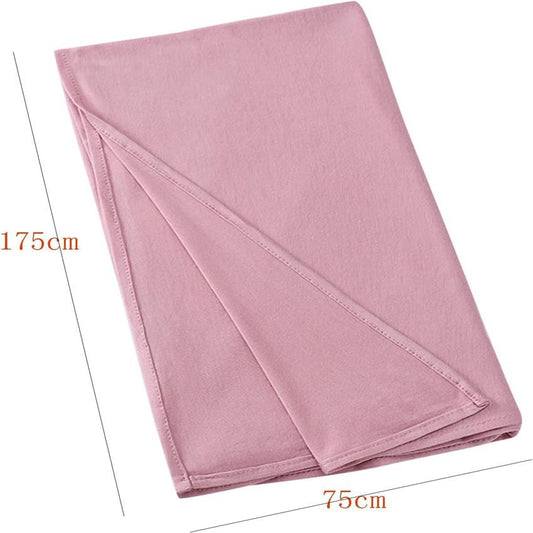
Muslim Hijab Scarf - Elegant Long Prayer Shawl, Lightweight Islamic Khimar Abaya for Women, Modest Muslim Clothing Accessory for Daily & Special Occasions - Easy-Care Hijab Scarf
Regular price $159.76 USDRegular priceUnit price per$0.00 USDSale price $159.76 USD -

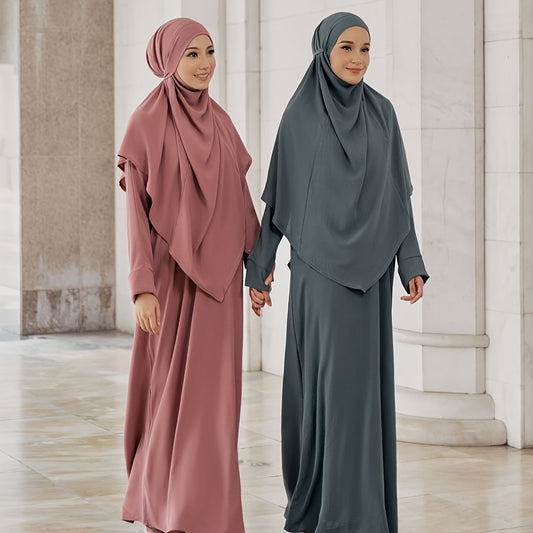
1pc Women's Muslim Khimar Abaya - Adjustable Drawstring Closure, Lightweight & Breathable Fabric Hijab for Everyday & Ramadan - Modest Islamic Hijab with Non-Elastic Fit
Regular price From $163.88 USDRegular priceUnit price per$0.00 USDSale price From $163.88 USD -

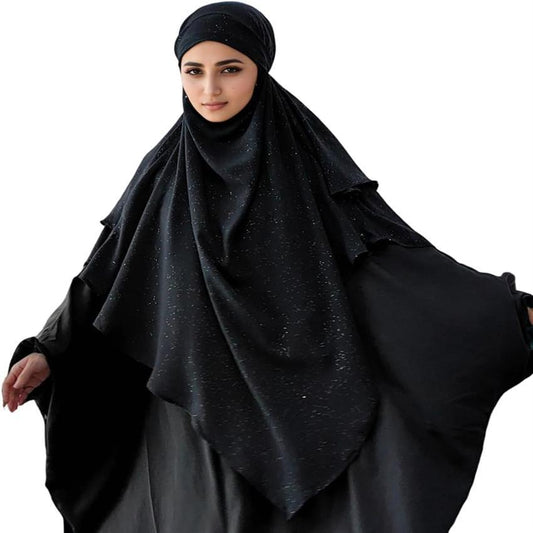
Women's Full Coverage Long Khimar Hijab Niqab - Elegant Islamic Prayer Scarf Wrap, Breathable Chiffon-like Fabric Abaya, for Ramadan, Eid, Daily Prayer & Modest Fashion - Islamic Hijab Clothing
Regular price From $156.40 USDRegular priceUnit price per$0.00 USDSale price From $156.40 USD -

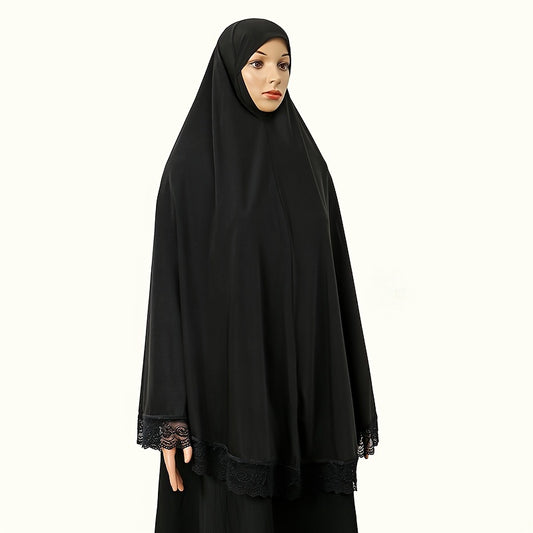
Elegant Muslim Khimar Abaya with Lace Trim - Lightweight Polyester, Breathable & Wind Shielding, Machine Washable Smooth Solid Color Design for Casual & Outdoor Wear, & Versatile Styling, Hijab Scarf
Regular price $160.29 USDRegular priceUnit price per$0.00 USDSale price $160.29 USD -

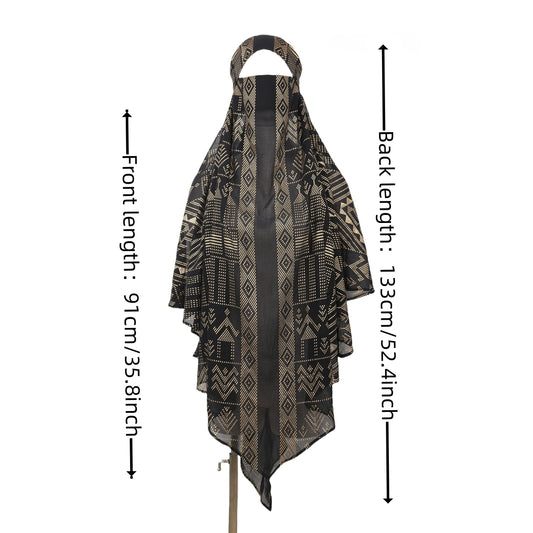
A Luxurious Women's Scarf in a Stylish Retro Elegant Design, Featuring Cold-Resistant And Warm Properties, Made of Pearl Chiffon with No Elasticity, Suitable for Muslim Khimar Hijab/Abaya.
Regular price $160.16 USDRegular priceUnit price per$0.00 USDSale price $160.16 USD -

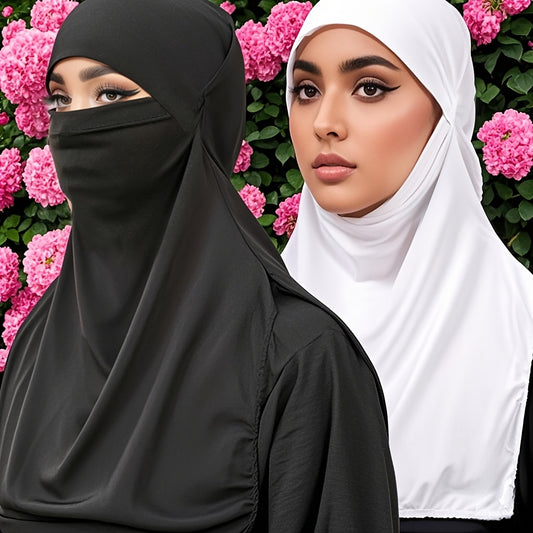
1pc Muslim Women's Lightweight Breathable Khimar Abaya - Sun & Wind Resistant Non-Elastic Soft Fabric, Smooth Texture for Daily Use, Prayer, Family Gatherings - White Modest Hijab with Outdoor Humility
Regular price From $156.75 USDRegular priceUnit price per$0.00 USDSale price From $156.75 USD -

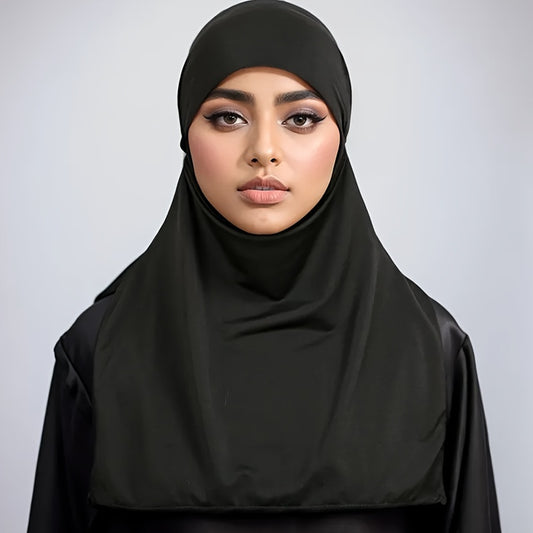
1pc Muslim Face Covering Scarf - Fashionable Exposed Khimar Abaya for Women, Black & White, Autumn Winter Warmth, Arabic Style Versatile for Casual & Formal Outfits, Hijab Scarf
Regular price From $158.70 USDRegular priceUnit price per$0.00 USDSale price From $158.70 USD -

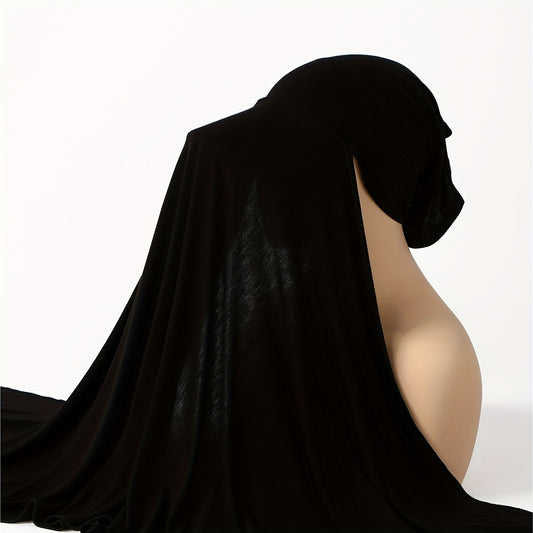
Women's Elegant Khimar Abaya - Lightweight & Breathable All Seasons Hijab, Soft Smooth Fabric for Everyday & Formal Events, Easy Care Machine Washable - Ideal Islamic Gift for Women
Regular price $163.65 USDRegular priceUnit price per$0.00 USDSale price $163.65 USD -

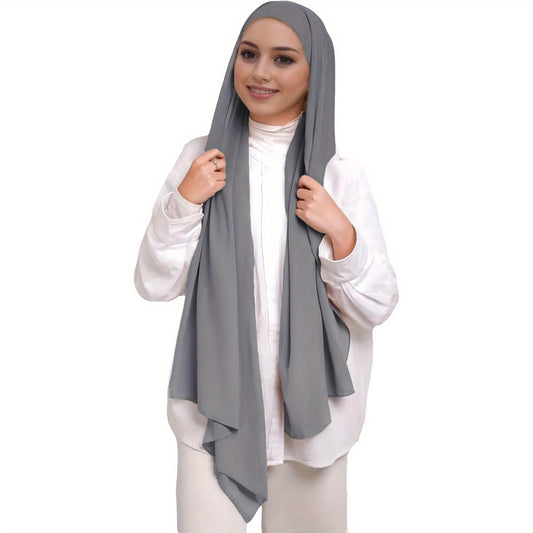
Instant Hijab Khimar Abaya - Elegant Islamic Prayer Veil with Tie Back Undercap, Lightweight Chiffon Fabric for Women, Quick Setup Modest Clothing for Travel, Work, Everyday
Regular price $172.42 USDRegular priceUnit price per$0.00 USDSale price $172.42 USD -

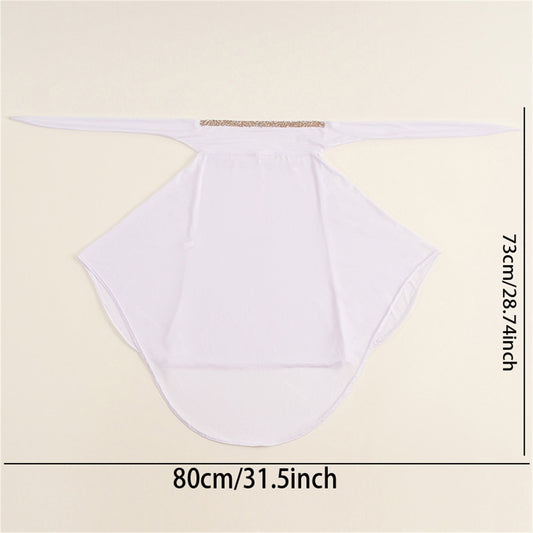
Women Khimar Abaya, Elegant Shiny Hot Fix Drills Hijab Scarf Lightweight Middle East Fashion Accessory
Regular price $163.96 USDRegular priceUnit price per$0.00 USDSale price $163.96 USD -

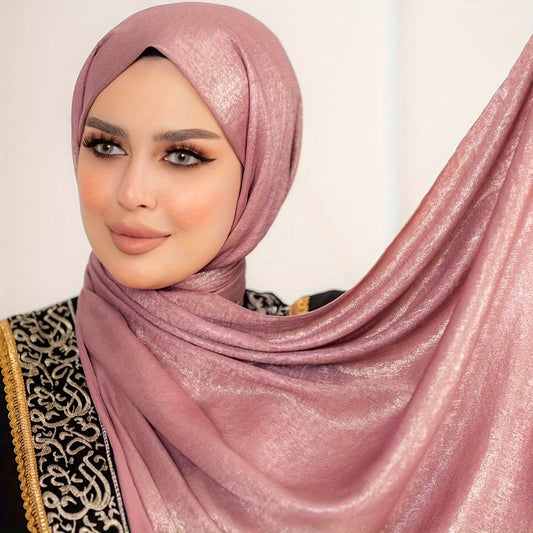
1/2 Pack Non-Stretch Religious Muslim Khimar Abaya, 100% Polyester, Breathable, Handmade, Available in Various Solid Colors, Includes Hand Wash or Professional Dry Clean Care Instructions
Regular price From $161.03 USDRegular priceUnit price per$0.00 USDSale price From $161.03 USD -

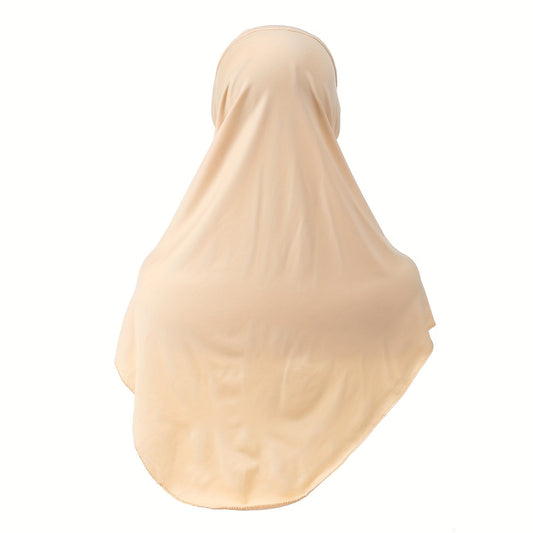
4pcs High Stretch Spandex Muslim Khimar Abaya, Ethnic Knit Hair Cap with Pullover - Solid Color Hijab, Religious Theme
Regular price $168.47 USDRegular priceUnit price per$0.00 USDSale price $168.47 USD


About Khimar Abaya
The Complete Guide To Khimar Abayas
The khimar abaya represents a seamless blend of tradition, spirituality, and elegance. Defined by its cape-like veil that extends over the shoulders and chest, the khimar adds another layer of modesty to the abaya’s flowing silhouette. This garment carries significance that stretches beyond style—it is a reflection of cultural heritage, religious devotion, and personal grace. As modest fashion gains momentum across global markets, the khimar abaya has become one of the most iconic and versatile garments within the industry.
Cultural Origins Of The Khimar Abaya
The khimar traces its linguistic roots to Arabic, where it signifies a veil or cover. Historically, the khimar has been worn in various forms across Islamic societies to reflect modesty and spiritual consciousness. When merged with the abaya—a robe-like outer garment traditionally worn by women in the Middle East—the result is the khimar abaya: a design that ensures comprehensive coverage while retaining a refined, elegant silhouette. This combination resonates deeply with values of dignity, modesty, and reverence while also offering a platform for artisanship and design innovation.
Symbolism And Spiritual Resonance
The khimar abaya is not just fabric and thread; it symbolizes an alignment with faith, humility, and self-respect. During religious practices such as prayer, the garment provides complete coverage, enhancing the spiritual experience. Beyond its practical utility, it communicates a sense of identity and belonging. Across cultures in the Middle East, Southeast Asia, and North Africa, women wear khimar abayas as an embodiment of both personal conviction and communal tradition, making the garment an expression of modest fashion and spiritual elegance.
Design Characteristics Of Khimar Abayas
At its core, the khimar abaya is characterized by a long, flowing design that covers the body while maintaining a graceful drape. The khimar portion extends from the head or shoulders, cascading downwards in soft folds. Designers often experiment with lengths, from shorter khimars that cover the chest to longer ones reaching the knees or even full-length variations. Embellishments such as embroidery, lace trims, beadwork, or pearl accents along the cuffs and veil edges transform the garment into a statement of artistry.
Materials And Their Importance
The choice of fabric determines not only how a khimar abaya feels but also how it functions in daily life. Commonly used fabrics include:
-
Nidha Fabric: A silky, lightweight material that is wrinkle-resistant and comfortable, ideal for premium abayas.
-
Chiffon And Georgette: Semi-sheer fabrics often layered to create an airy, delicate appearance.
-
Silk And Satin: Luxurious fabrics that add sophistication and fluidity, often used for formal gatherings.
-
Crepe And Jersey: Practical, stretchable fabrics suitable for everyday wear due to their comfort and durability.
-
Cotton Blends: Breathable and versatile fabrics that suit casual wear and warmer climates.
Functional Advantages Of Khimar Abayas
Practicality is one of the defining traits of khimar abayas. The design offers full coverage, making it suitable for prayers, religious gatherings, and formal events. At the same time, breathable fabrics and adaptive cuts ensure comfort in daily use. Adjustable closures, layered khimars, and structured tailoring provide flexibility, making the khimar abaya a garment that adapts seamlessly to varied contexts—whether spiritual, social, or professional.
Styling Opportunities
The khimar abaya is a canvas for personal expression. Women can embrace minimalist versions in solid neutrals for everyday wear or choose richly embellished designs for weddings and festive occasions. Accessories such as metallic clutches, gemstone jewelry, or modern belts can transform the garment into a chic ensemble. Designers frequently explore palettes that range from classic blacks and deep jewel tones to soft pastels, ensuring that styling possibilities remain diverse and adaptable.
The Rise Of Khimar Abayas In Global Fashion
In recent years, khimar abayas have gained recognition outside traditional markets. Modest fashion weeks in Dubai, London, and Jakarta have highlighted these garments as central to the global conversation about inclusivity and elegance. Fabulive’s khimar abaya collection reflects this transition beautifully, offering designs that remain rooted in tradition while appealing to women across Europe, North America, and Asia who seek garments that combine modesty with modern sophistication.
Craftsmanship And Embellishments
The khimar abaya showcases the skill and dedication of artisans who invest hours, and sometimes weeks, into creating intricate designs. Embellishments range from hand-sewn pearls and crystal beadwork to lace appliqués and geometric embroidery inspired by Islamic art. Minimalist tailoring also plays a role, with sharp lines and clean hems creating garments of quiet sophistication. These varying approaches allow the khimar abaya to serve both as practical daily wear and couture-level luxury.
Seasonal Variations In Khimar Abayas
Seasonal adaptability is one of the garment’s greatest strengths. In hot climates, lightweight chiffon, georgette, and cotton blends ensure comfort while retaining elegance. In cooler regions, designers employ velvet, double-layer nidha, or wool blends that provide warmth without compromising grace. By adapting fabrics and layering techniques, khimar abayas remain relevant across climates, making them globally versatile.
Color Palettes And Psychological Impact
The psychology of color plays an essential role in khimar abaya design. Traditional black symbolizes dignity and timelessness. Ivory and white are linked to purity and are often chosen for religious observances. Jewel tones like emerald, ruby, and sapphire radiate festivity and luxury, making them suitable for weddings and evening events. Earth tones—olive, taupe, beige—reflect subtlety and harmony. The combination of color and fabric influences mood, allowing women to choose garments that align with their personal expression and cultural context.
Care And Maintenance
Because khimar abayas often feature delicate fabrics and embellishments, proper maintenance is essential. Premium fabrics such as silk and satin require dry cleaning to retain their luster, while cotton and jersey blends can often be hand-washed with mild detergents. Embellished abayas should be stored in breathable garment bags to protect detailing, while padded hangers prevent stretching. With attentive care, khimar abayas can maintain their elegance for years, becoming enduring wardrobe investments.
Sustainability In Khimar Abaya Fashion
The modern consumer increasingly values sustainability, and modest fashion has adapted accordingly. Eco-conscious designers now incorporate organic cotton, bamboo-based fabrics, and recycled polyester into khimar abayas. Fair-trade production practices and natural dyes further reduce environmental impact. Fabulive’s curated offerings reflect this shift, aligning luxury modest fashion with ethical and sustainable practices, appealing to women who wish to merge elegance with responsibility.
Long-Term Value Of Khimar Abayas
Unlike fleeting fashion trends, khimar abayas possess timeless silhouettes and cultural grounding that guarantee long-term relevance. Premium designs crafted from high-quality fabrics can be worn for decades, transcending fashion cycles. Many women view these garments as heirlooms, passing them down to daughters and granddaughters as cherished symbols of faith and tradition.
FAQs
Is the khimar abaya suitable for professional settings?
Yes. Modern minimalist designs in neutral tones are increasingly worn in professional environments.
Can khimar abayas be customized?
Absolutely. Many designers offer tailored fits, custom embellishments, and fabric choices to suit individual preferences.
What makes the khimar abaya different from other abayas?
Its distinguishing feature is the khimar veil, which provides additional coverage and elegance compared to standard abayas.
Which fabrics are best for travel-friendly abayas?
Nidha and crepe are excellent for travel due to their wrinkle-resistant properties.
Are khimar abayas only for religious occasions?
No. They are versatile and can be styled for casual, professional, and festive use.
The Global Influence Of Khimar Abayas
Khimar abayas are integral to the modest fashion movement, which has emerged as a multibillion-dollar global industry. Designers across Paris, London, and New York increasingly incorporate abaya-inspired silhouettes into their collections, reflecting the garment’s global resonance. The khimar abaya, with its distinct veil component, has found appreciation among women who may not share its cultural roots but admire its elegance, comfort, and versatility.
Khimar Abayas In Haute Couture
Luxury fashion houses have drawn inspiration from the flowing silhouettes of khimar abayas, transforming them into gowns and couture ensembles. By collaborating with artisans skilled in embroidery and embellishment, these brands elevate modest fashion to the level of haute couture. This trend reinforces the khimar abaya’s dual role as a garment of tradition and a piece of global fashion innovation.
Modern Lifestyle Integration
The modern woman’s lifestyle demands clothing that transitions seamlessly between multiple contexts. The khimar abaya fulfills this need, moving effortlessly from religious observance to social events, professional environments, and travel. Its adaptability makes it a staple for women who value modesty while engaging with the demands of contemporary living.
Digital Retail And Global Accessibility
E-commerce has transformed how women access khimar abayas. Online platforms ensure that women in North America, Europe, and Asia can purchase garments once limited to Middle Eastern markets. Fabulive’s digital presence demonstrates this transformation, offering khimar abayas that balance cultural authenticity with international appeal. Digital retail has democratized access, making the garment a global phenomenon.
Innovations In Khimar Abaya Design
Innovation continues to redefine khimar abayas. Designers experiment with asymmetrical cuts, layered khimars, modern color-blocking, and lightweight technical fabrics. Some incorporate subtle zippers, hidden pockets, or detachable layers for enhanced practicality. These innovations make the garment relevant to younger audiences while retaining its traditional foundation.
FAQs
Do khimar abayas come in different lengths?
Yes. While traditional designs are floor-length, modern variations include midi and ankle-length options.
Which accessories pair best with khimar abayas?
Structured handbags, metallic belts, and gemstone jewelry elevate the ensemble without compromising modesty.
Can khimar abayas be worn during travel?
Yes. Lightweight fabrics such as nidha and crepe are perfect for travel-friendly elegance.
Are khimar abayas suitable for weddings?
Absolutely. Embellished silk or velvet khimar abayas are popular choices for wedding guests and even bridal wear.
How do I ensure my khimar abaya lasts long?
Investing in high-quality fabrics and practicing proper storage and maintenance ensures longevity.
The Enduring Allure Of Khimar Abayas
The khimar abaya remains a garment that bridges faith, culture, and fashion. Its flowing silhouette, cultural symbolism, and adaptability have established it as one of the most enduring garments in modest fashion. Whether worn during prayer, at social gatherings, or as part of global fashion runways, it embodies timeless elegance.
Long-Term Investment Value
When chosen thoughtfully, khimar abayas transcend fleeting fashion cycles. They retain value through quality fabrics, intricate craftsmanship, and cultural significance. Many families treat them as heirlooms, making them both personal treasures and symbols of heritage. The garment’s investment value lies not only in its durability but in its ability to embody faith, dignity, and elegance for generations.
Conclusion
The khimar abaya is more than modest attire—it is an emblem of timeless grace, spiritual devotion, and cultural pride. With its balance of coverage, elegance, and adaptability, it remains an indispensable garment across Muslim communities and beyond. Collections like those curated by Fabulive illustrate how tradition and modernity can merge to create garments of global significance. In a fashion industry increasingly defined by inclusivity, the khimar abaya holds its place as a garment of beauty, purpose, and prestige.
Customer Reviews
• Sophia, USA – “The khimar abaya I bought was beautifully made and perfect for prayer gatherings. Truly timeless.” ⭐⭐⭐⭐⭐
• Amina, UK – “I loved the breathable crepe fabric. It was practical for everyday wear and still looked elegant.” ⭐⭐⭐⭐
• Nadia, Canada – “The embroidery detail was outstanding. I wore it at Eid and received endless compliments.” ⭐⭐⭐⭐⭐
• Layla, Australia – “Versatile and stylish—I paired mine with a belt for a modern look.” ⭐⭐⭐⭐
• Hannah, Germany – “The satin finish made my khimar abaya stand out at a wedding. Excellent quality.” ⭐⭐⭐⭐⭐
• Fatima, UAE – “A premium piece that felt luxurious yet modest. Worth every penny.” ⭐⭐⭐⭐⭐
• Elena, Spain – “Simple, elegant, and comfortable. It’s perfect for both casual and formal wear.” ⭐⭐⭐⭐
• Maya, France – “I was impressed with the sustainable fabric option. Eco-friendly and beautiful.” ⭐⭐⭐⭐⭐
• Zahra, Qatar – “The craftsmanship exceeded my expectations—this feels like couture modest fashion.” ⭐⭐⭐⭐⭐
• Olivia, Italy – “The jewel-toned velvet design was regal and elegant. A true investment piece.” ⭐⭐⭐⭐