
-
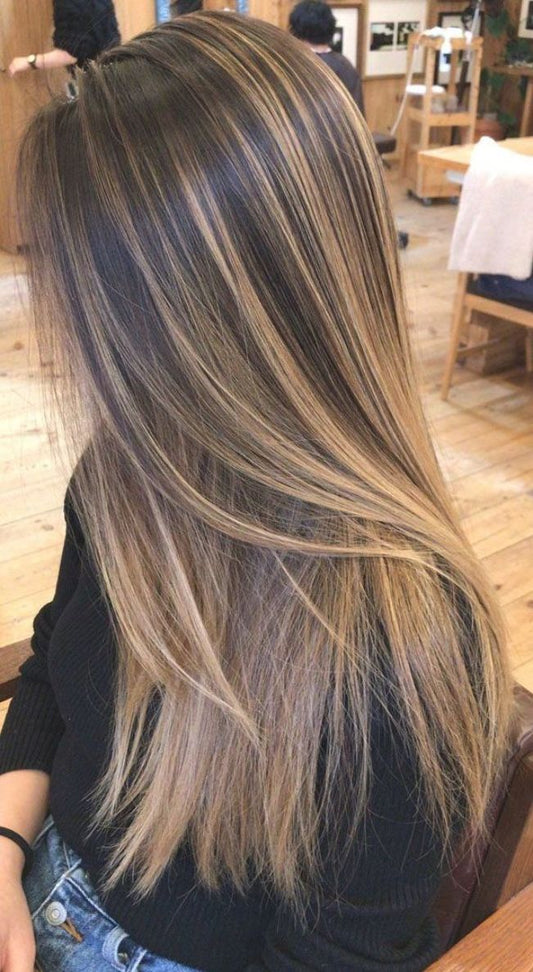
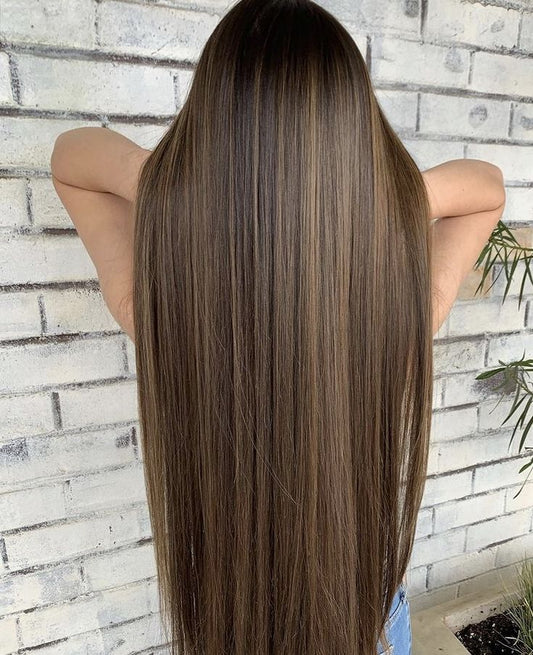
Highlights Human Hair Clip on Hair Extensions
Regular price $420.66 USDRegular priceUnit price per -
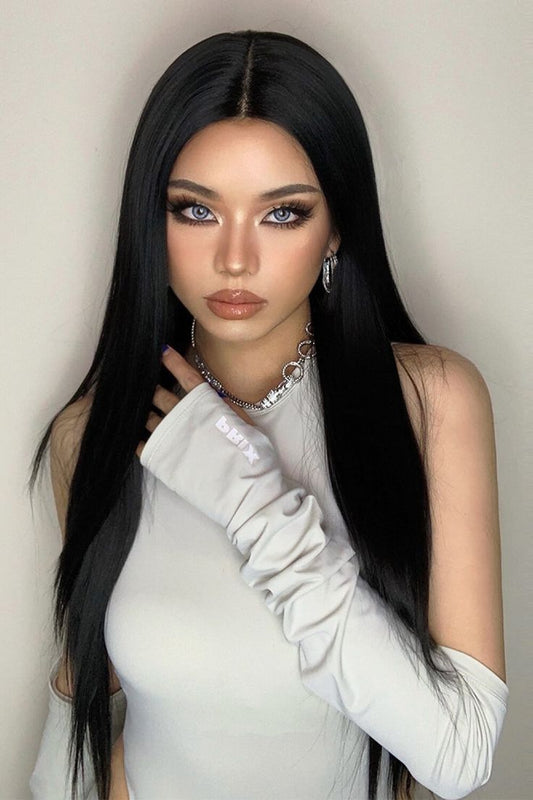
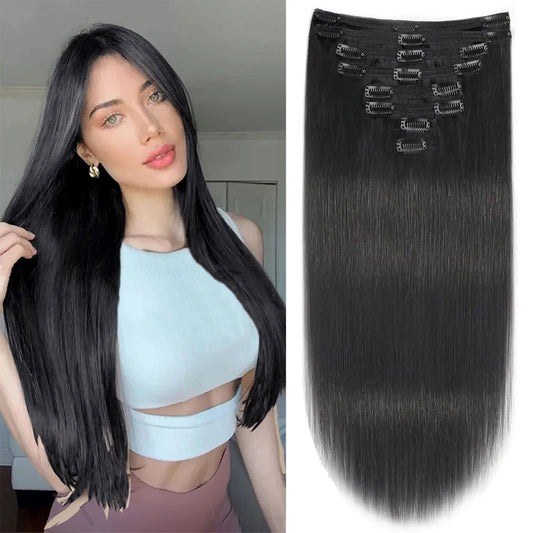
Black Straight Clip in Hair Extensions
Regular price $456.99 USDRegular priceUnit price per -
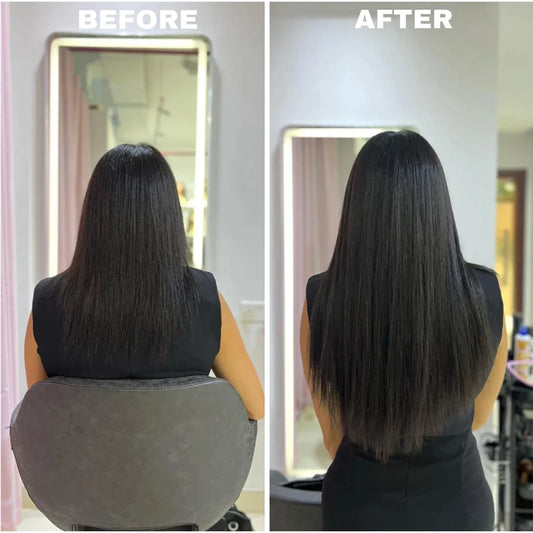
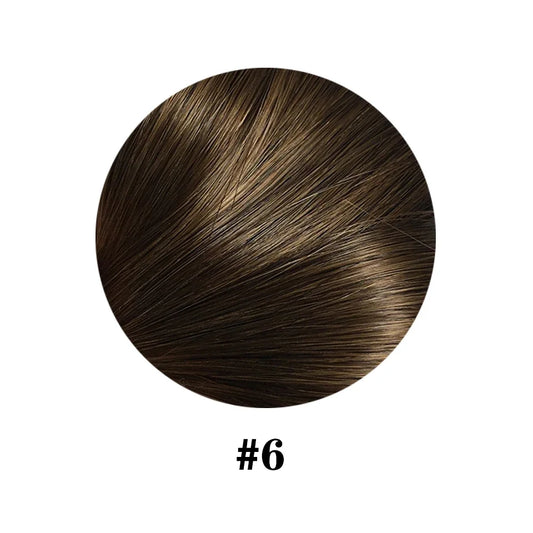
Chocolate Brown Human Hair Clip on Hair Extensions
Regular price $420.66 USDRegular priceUnit price per -
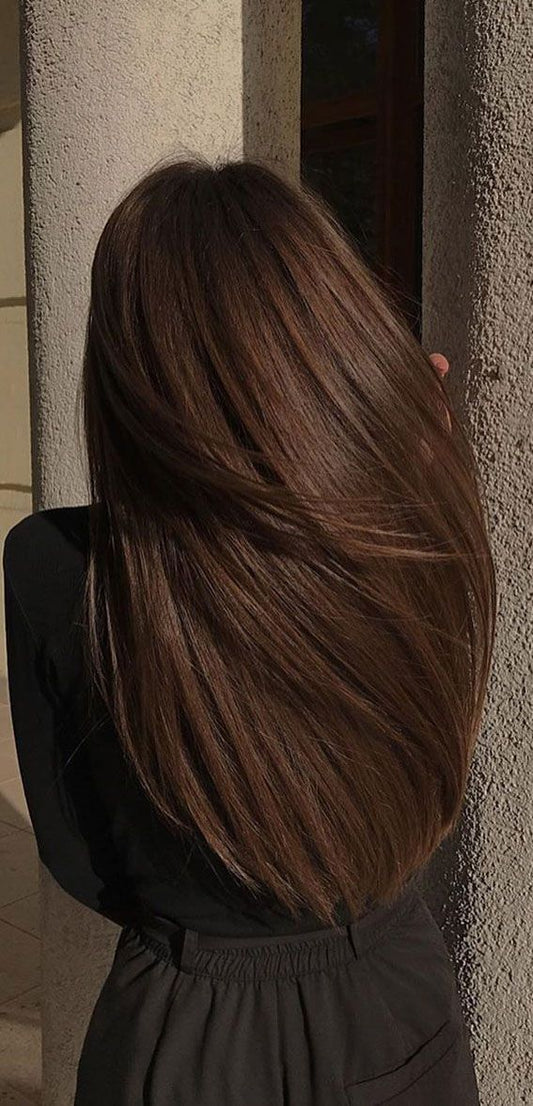
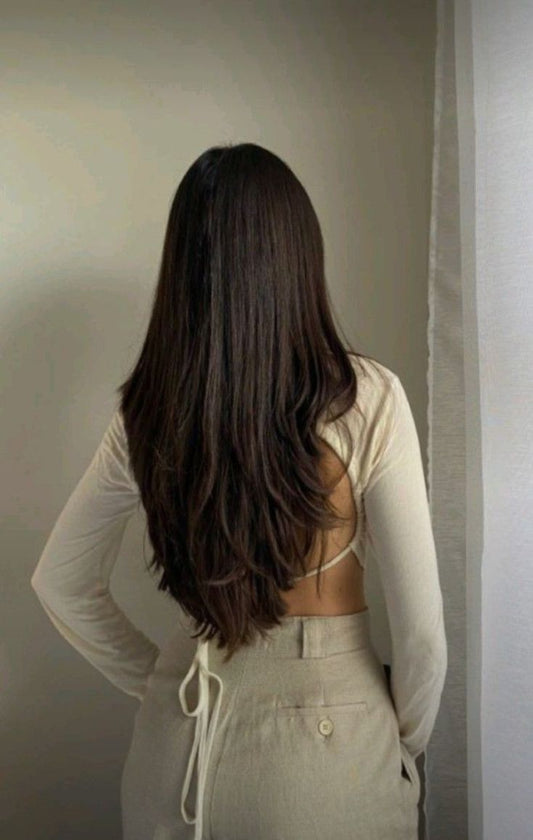
Straight Clip in Hair Extensions Human Hair
Regular price $357.99 USDRegular priceUnit price per -
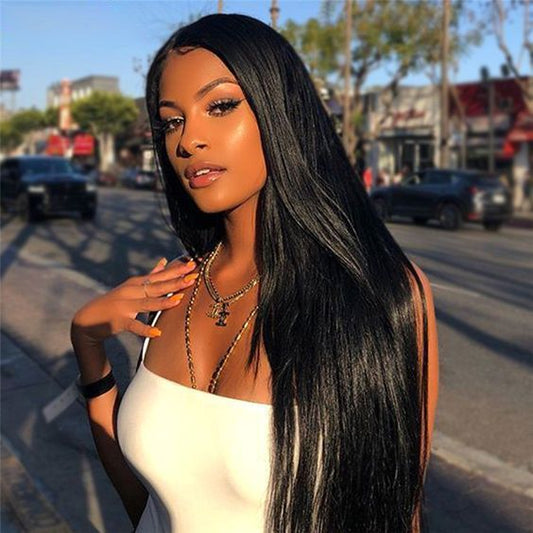
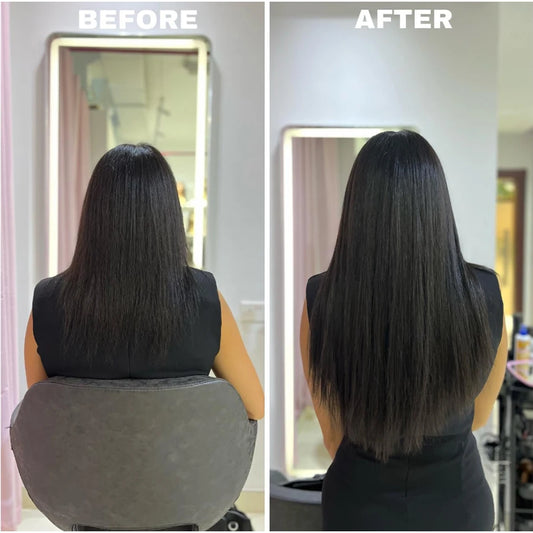
Black Human Hair Clip on Hair Extensions
Regular price $420.66 USDRegular priceUnit price per
Brazilian Straight Hair Extensions: The Complete Guide to Sleek Length, Natural Movement, and a High-Polish Finish
Brazilian straight hair extensions are the shortcut to a signature look that never goes out of style: smooth, reflective, and quietly powerful. When straight hair is done well, it looks “expensive” without looking overworked—clean length, full ends, and a finish that moves naturally instead of sitting stiff. This short intro belongs above your product grid; the long guide below is designed to help you choose the right straight extensions with confidence, from weight and length to attachment type, blending strategy, and long-term care.
Shop Brazilian straight hair extensions designed for sleek blending and polished everyday wear
What It Is and Who It’s For
Brazilian straight hair extensions are straight-textured extensions known for a balanced, natural feel: smooth enough to create a sleek finish, yet substantial enough to hold shape and maintain a full, healthy silhouette through the ends. They’re often chosen by shoppers who want straight hair that doesn’t look flat. The best straight extensions add length and density while still moving like real hair—soft swing, believable weight distribution, and a finish that looks refined in photos and real-life lighting.
This collection is built for people who want a consistently polished look without relying on daily styling to “fake” fullness. Straight hair reveals everything: uneven density, thin ends, mismatched texture, and inconsistent shine. Extensions solve those issues by reinforcing the perimeter and creating a smooth fall that holds up across weather, long days, and repeat styling.
Brazilian straight extensions are especially well-suited for:
- Fine to medium-density hair that looks thinner at the ends than at the roots
- Haircuts that need a longer, fuller silhouette without growing out for months
- Clients who love sleek styling but want it to look natural, not stiff
- Short-to-medium hair wearers who want a clean length upgrade that photographs well
- Anyone who prefers timeless styling and wants a consistent “signature hair” identity
There’s also a practical advantage to straight: it makes decision-making clearer. With curly or wavy hair, texture can disguise small shade differences. With straight hair, the lines are clean—so you can identify whether you need more perimeter density, more mid-length support, or a more natural blend at the ends. The method becomes less about hiding and more about refining.
If you’re comparing methods and textures beyond Brazilian straight, it helps to see the larger extension ecosystem first so you can choose the right type, weight, and maintenance commitment for your lifestyle.
Explore the full hair extensions category to compare methods, textures, and wear goals
For shoppers specifically focused on straight finishes across multiple shades and attachment types, a dedicated straight category can simplify browsing and make it easier to compare like-for-like options.
Browse straight hair extensions to compare sleek textures, lengths, and application methods
Why It Matters Now
Straight hair is trending again—but in a new way. Instead of pin-straight, heat-flattened looks, today’s “sleek” is healthier: reflective, soft, and dimensional through movement. People want hair that looks calm and controlled, but still touchable. That’s where Brazilian straight extensions fit perfectly: they deliver a polished silhouette without requiring constant heat or heavy product layering to keep ends full and smooth.
Another reason Brazilian straight matters now is the shift toward low-maintenance luxury. Many shoppers are simplifying their beauty routines while still wanting the results of a high-end blowout. Straight extensions help create that effect by making the base look naturally full, which means you can style less aggressively. Instead of over-brushing, over-heating, and over-spraying to force hair into a sleek shape, the hair already falls in a smooth, cohesive line.
From an image standpoint, straight hair photographs exceptionally well when density is balanced. It creates clean lines around the face, emphasizes shine, and makes outfits look more refined. The catch is that straight hair shows inconsistencies immediately. Extensions address the most common visual problems—thin ends, uneven length, and a lack of mid-length density—so the final look reads intentional from every angle.
Finally, straight hair has become a “style language.” It reads professional, modern, and confident, but it can also be romantic or dramatic depending on length and finish. A sleek mid-length can feel minimal and editorial. Long, glossy straight hair can feel glamorous. The method you choose controls how often you get to live in that look—occasional wear for event seasons or consistent wear for daily polish.
How to Choose
Decision Framework
Goal → Shade → Texture → Type → Coverage → Occasion → Care → Budget
Micro-intent: Define your primary goal (length, fullness, or finish)
Start by naming the outcome you care about most. If you want length, your priority is a believable silhouette that still looks full at the ends. If you want fullness, your priority is mid-length density and perimeter strength so hair looks thicker without bulk. If you want finish, your priority is that smooth, reflective look that feels polished and consistent in any lighting. Many shoppers want all three, but choosing one primary goal helps you pick the right weight and coverage without overbuying.
A useful way to clarify your goal is to identify your “problem moment.” If your ponytail looks thin, you need density support. If your ends look wispy in photos, you need a stronger perimeter. If your hair looks frizzy or inconsistent even after styling, you need a texture and finish plan that reduces friction and increases cuticle smoothness.
Micro-intent: Choose your weight category based on hair density and end fullness
Weight is what makes straight hair look premium. When weight is too light for your natural density, the ends can look transparent and separate from your hair. When weight is too heavy, fine hair can look overwhelmed and the blend can become harder to conceal. The most natural outcome is proportional: enough weight to keep ends full, not so much that the hair looks “added.”
Compare 100g hair extensions when you want fuller ends and a more substantial straight silhouette
As a rule, straight looks benefit from slightly more perimeter support than wavy looks, because waves create visual fullness through texture. Straight hair relies on density distribution. If your natural hair tapers, choosing a supportive weight helps the final line look clean and intentional.
Micro-intent: Decide coverage based on your everyday part and your upstyle habits
Coverage should match how you wear your hair most. If you wear hair down and sleek, you’ll prioritize coverage that reinforces the back and mid-lengths so the fall looks even. If you wear hair up often, you’ll prioritize side coverage so the style remains full under tension. Your part matters too: consistent center parts expose different areas than side parts, so placement and coverage should be aligned to your default styling habits.
If you’re unsure, choose a plan that supports your most frequent hairstyle. The most expensive-looking hair is the hair that looks right in the way you actually live—not just in a “perfect hair day” scenario.
Micro-intent: Pick an extension method that matches your routine and skill level
Some shoppers want a fast, flexible solution they can apply and remove on demand. Others want a consistent, everyday look with minimal daily effort. The best method is the one you’ll use correctly, because correct use preserves both comfort and realism. If you value flexibility, prioritize a method that supports quick application. If you value consistency, prioritize an option that stays secure and predictable day after day.
For shoppers who want a modern, dimensional approach to blending—especially if you care about how hair falls and moves through the layers—advanced extension formats can offer a refined look when chosen thoughtfully.
Explore 6D hair extensions for a modern, dimensional blend with natural movement
Micro-intent: Choose length by proportion and lifestyle, not by trend
Straight hair makes length feel more dramatic because the line is clean and uninterrupted. That can be stunning, but it also increases maintenance: longer hair tangles more easily, requires more detangling discipline, and can demand more time to keep the finish smooth. The right length is the one you’ll maintain without resentment.
Think about your daily reality: commute, work environment, travel frequency, gym habits, and how often you’re willing to restyle. If you want low-maintenance polish, a moderate length with full ends often looks more expensive than very long hair that’s under-maintained or constantly frizzed by friction.
Shade, Undertone, and Finish
Although the signature here is “straight,” shade and finish determine whether the result looks natural. Straight hair reflects light more evenly than textured hair, so mismatches show more quickly. The safest strategy is to match your mid-lengths and ends first, then design around roots and natural dimension. If your roots are deeper, you can still achieve a seamless blend by ensuring the majority of the visible hair length matches the tone you see most often in everyday lighting.
Finish is equally important. Straight hair reads premium when the surface is consistent: soft sheen, controlled flyaways, and smooth movement. If your natural hair is matte from dryness, extremely glossy extensions can look separate. If your natural hair is very shiny, overly matte extensions can look dull. Aim for harmony, then use light styling and heat discipline to maintain it.
To evaluate finish, use a simple test: look at your hair in indirect daylight. If your natural hair reflects light in a gentle, satin way, choose extensions that look similarly soft rather than mirror-glossy. If your hair is naturally shiny and smooth, choose a finish that can keep up with that reflection so the blend doesn’t look mismatched.
If you want a practical framework for creating that sleek, reflective finish without overdoing heat, this guide is a strong reference for technique and polish.
Learn how to achieve a sleek, straight finish that looks polished, not overworked
Continue to Part 2 for texture and blending strategy, daily and event styling ideas, and a care system that keeps straight hair smooth without weighing it down.
Texture and Blending
Straight hair is deceptively demanding: because the shape is simple, the blend must be precise. The good news is that precision is achievable when you focus on three fundamentals—placement, transition, and finish. Placement ensures attachments are concealed and the hair falls naturally. Transition ensures your natural ends merge into the added length without a visible “step.” Finish ensures your hair and extensions share the same surface texture so they read as one.
Micro-intent: Blend the ends first to avoid the “separate layer” look
The most common giveaway in straight extensions is an abrupt transition at the ends. If your natural hair is shorter or thinner, the added length can look like it begins too suddenly. The fix is not always “more hair.” It’s choosing enough density to support the perimeter and styling in a way that merges the hair through the last few inches. A subtle bend at the ends, a soft brush-through after smoothing, and a consistent finish across both your hair and extensions can make a dramatic difference.
If your haircut is blunt, aim for a sleek line that still looks natural by maintaining a gentle curve and a controlled perimeter. If your haircut is layered, ensure the longest layer is supported so the silhouette doesn’t taper too quickly into thinness.
Micro-intent: Match movement identity (sleek, soft bend, or blown-out straight)
“Straight” can mean different things. There’s pin-straight, there’s softly bent, and there’s blowout straight with body. Decide what your identity is, then choose and style accordingly. Blowout straight usually looks the most natural because it preserves softness and reduces the risk of hair looking overly flat. A soft bend is the most forgiving for blending because it hides minor density differences at the ends. Pin-straight is the most editorial, but it reveals mismatches quickly and usually requires more careful finish control.
Micro-intent: Choose an application style that suits your comfort level
Different shoppers want different levels of effort. Some want a quick-change straight look they can put in for a meeting or night out, then remove. Others want a consistent look that feels like “their hair” every day. Your comfort with application determines not just convenience, but realism—because a method you apply confidently tends to look cleaner and sit more naturally.
If you want a low-effort approach with a clean straight finish, a claw-in style can be a practical option for quick transformations, especially for ponytails and half-up looks where you want fast polish.
Browse claw-in straight hair extensions for quick, polished styling with minimal effort
If you prefer classic versatility for down styles and fast volume, clip-on straight extensions can be a reliable way to build fullness in layers while keeping your routine flexible.
Explore clip-on straight hair extensions for flexible wear and clean blending in down styles
If your signature look is a sleek ponytail, a wrap-around ponytail format can create instant length and density while keeping the finish uniform and intentional.
Shop straight wrap-around ponytail extensions for an instant sleek pony with full ends
If you want a longer-wear method with a natural fall, i-tip pre-bonded options can suit shoppers who prefer consistent day-to-day hair and are comfortable with maintenance and professional placement.
Discover i-tip straight pre-bonded extensions for longer-wear sleek styling
Styling Ideas (Daily + Event)
Great straight styling is about restraint. The goal is not to “prove” the hair is straight; the goal is to make it look healthy, intentional, and modern. That means controlled shine, full ends, and a silhouette that holds shape without looking stiff. When you style straight hair and extensions together as one unit, the finish looks cohesive and the blend becomes nearly invisible.
Micro-intent: Daily sleek routines that stay polished without heavy buildup
For daily wear, aim for a satin finish rather than glassy shine. Satin looks expensive because it reads healthy and touchable. The best routine usually includes gentle smoothing, light control of flyaways, and a finishing pass that keeps movement natural. Overloading oils can make straight hair look separated; overloading spray can make it look dull. The winning middle is light, consistent product use paired with disciplined heat settings.
Daily styles that look refined with minimal effort:
- Sleek down with a soft end curve to keep the perimeter natural
- Low ponytail with wrapped base for clean, professional polish
- Half-up lift to create structure while keeping lengths fluid
- Soft straight blowout with body at the mid-lengths for an “expensive hair” look
- Minimalist straight braid for controlled shape and shine
Micro-intent: Volume planning for straight hair (so it doesn’t look flat)
Straight hair can look flat when the root area lacks lift or when the mid-lengths don’t have enough density to maintain shape. The solution isn’t always more heat; it’s strategic volume. Volume in straight hair comes from balanced density and subtle structure—light lift at the crown, body through mid-lengths, and full ends. If you tend to avoid volume because you fear it will look teased, think “lift,” not “big.” Lift reads polished; teasing can read dated.
Use volume techniques that build fullness while keeping straight hair sleek and modern
Micro-intent: Event styling that holds under lights and long wear
For events, straight hair becomes a statement when it’s glossy, balanced, and camera-ready. The best event straight looks usually include a controlled blowout finish, face-framing polish, and ends that look full and aligned. If you’re attending a formal event, consider how your hair will look under flash and warm indoor lighting. A satin finish with controlled shine tends to photograph better than overly oily or overly matte hair.
For prom and formal inspiration that translates especially well to straight hair—think polished half-up styles, sleek ponytails, and glamorous down looks—this guide is a strong reference.
Browse prom hairstyles that pair beautifully with sleek straight lengths and fuller ends
Celebrity inspiration helps because it shows proportion and finish under professional lighting. Look for references with clean ends, controlled shine, and a silhouette that stays full from the side view.
Use celebrity hairstyle inspiration to refine sleek silhouettes and camera-ready shine
Accessories can also elevate straight hair fast. A bandana or scarf can turn a simple straight look into something styled, while keeping the finish controlled and modern.
Try bandana hairstyles that look elevated with sleek straight hair and fuller length
If you’re working with a shorter base haircut, extensions can change your entire proportion in minutes. This guide frames why extensions are especially powerful during short-hair phases and grow-outs when you want a polished identity without waiting.
See why extensions transform short hair into a polished, length-forward look
Continue to Part 3 for maintenance, category comparisons, featured product picks, buying mistakes to avoid, a complete FAQ, and a related collections module—ending with a conclusion built for decision-making.
Care and Maintenance
Straight hair stays premium when you protect the surface. Because straight hair reflects light evenly, any cuticle roughness—frizz, dryness, tangling, buildup—shows up faster than it does in textured styles. The goal is not heavy product; the goal is clean softness: a smooth cuticle, hydrated ends, and minimal friction that would disrupt movement.
Micro-intent: Wash cadence that preserves smoothness and prevents buildup
Over-washing can dry the hair and make straight ends look rigid. Under-washing can allow residue to accumulate, dulling shine and making hair feel coated. The balance is washing when needed, rinsing thoroughly, and focusing hydration where it matters—mid-lengths and ends. Straight hair looks best when it feels light, not weighed down.
If you’re choosing a short length that’s meant to look crisp and chic, the routine is even more important because shorter straight styles reveal ends clearly. This guide can help you think about how proportion and styling work in shorter extension lengths.
Explore short, chic styles that keep straight hair looking sharp and intentional
Micro-intent: Detangling and friction control (the biggest longevity factor)
Tangles don’t just feel annoying; they create friction, which roughens the surface and makes straight hair lose its shine. Detangle gently from ends upward, avoid aggressive brushing when hair is wet, and reduce friction during sleep and travel. Straight hair is at its best when it moves as one smooth sheet—not when it separates into stringy pieces.
If you’re building a mid-length look specifically because you want a wearable upgrade without heavy maintenance, 15 inches is a common “sweet spot” for fine hair and everyday polish.
Use mid-length planning to keep straight hair wearable, polished, and easy to maintain
For many shoppers, 16 inches is the most versatile everyday length: long enough to feel like an upgrade, short enough to stay manageable.
Choose an everyday length strategy that stays sleek without becoming high-maintenance
If you want full glamour and long straight movement, 20 inches makes the sleek line dramatically visible—just commit to a friction-control routine so the ends stay full and aligned.
Explore 20-inch length guidance for glamorous straight hair with flowing movement
Micro-intent: Heat discipline that keeps straight hair reflective, not fried
Heat is not the enemy; uncontrolled heat is. Straight hair needs less heat than most people think because the goal is smoothness, not force. Lower temperatures, fewer passes, and consistent protection preserve cuticle alignment. When cuticles stay aligned, hair looks shinier and feels softer—even without heavy finishing products.
One of the most common mistakes is repeatedly “touching up” hair throughout the day. Instead, build a strong finish once: dry smoothly, polish lightly, then use minimal adjustments. This keeps the hair looking fresh longer and reduces cumulative heat damage.
Category Comparisons
Choosing Brazilian straight becomes easier when you compare categories through a practical lens: flexibility versus consistency, and styling identity versus maintenance tolerance. Flexible methods are ideal if you want to change your look by day—workday sleek, weekend volume, event ponytail. Consistent methods are ideal if you want daily hair that feels like “your hair,” with minimal daily application effort.
Within straight categories, it also helps to compare by use case:
- Down styles and everyday polish: prioritize seamless perimeter density and consistent finish
- Ponytails and pulled-back looks: prioritize balanced side coverage and stable attachment strategy
- Short-hair transformations: prioritize blending at the ends and proportionate length
- Event styling: prioritize camera-ready shine and a silhouette that holds under lights
For shoppers who love a timeless, deep shade paired with sleek styling, jet black straight hair is a classic. The styling logic—shine control, clean ends, and modern silhouettes—translates directly to Brazilian straight in other shades.
Get sleek styling inspiration from jet black straight looks that emphasize shine and clean lines
Featured Picks
Featured picks are designed to help you choose based on priorities: flexible clip-ins for quick transformations, tape-ins for a smoother day-to-day finish, and sets that emphasize softness and full ends. Use these as decision anchors, then refine by weight, coverage, and length so the final silhouette matches your routine.
If you want a classic Brazilian straight clip-in option with a natural fall and polished finish, this pick is designed for flexible wear and quick changes.
Choose Brazilian Remy straight clip-ins for flexible wear and a polished straight finish
If you want a brown-toned Brazilian straight clip-in option for a warmer, softer straight look, this pick supports a natural blend with refined shine.
Explore brown Brazilian Remy straight clip-ins for a natural blend with smooth movement
If your priority is sleek, flat-laying straight hair in a tape-in format, this Remy option supports a smooth fall and consistent daily polish.
Consider straight Remy tape-ins for a flat, sleek silhouette and consistent everyday wear
If you want another tape-in straight option that supports a clean finish and predictable blending, this pick can work well when your maintenance routine stays disciplined and lightweight.
Select Remy straight tape-ins for a smooth, reliable blend designed for daily polish
If you prefer a straightforward clip-in set built around a classic silky-straight look, this option can help you build fullness quickly while keeping the finish sleek.
Pick an 8-piece straight clip-in set for fast fullness and clean, straight blending
If your priority is a luxe set designed to look silky and refined, this option is built for a high-polish straight finish with full-looking ends.
Choose a luxe Remy straight set for a premium silky finish and a fuller silhouette
Non-salesy selection shortcut:
- If you want flexibility: choose clip-ins and build coverage around your most-worn styles
- If you want daily consistency: choose tape-ins and prioritize a lightweight routine near the attachment area
- If you want maximum polish: prioritize full ends, satin shine, and controlled heat habits
Buying Mistakes
Straight hair extensions don’t forgive guessing. Most disappointment comes from predictable issues: buying too little density for a straight silhouette, choosing a length that doesn’t match lifestyle, or expecting a flawless blend without styling both your hair and the extensions together. The fix is not complicated—it’s decision discipline.
Micro-intent: Avoid buying too light (thin ends) or too heavy (overwhelmed blend)
Thin ends are the fastest way to make straight hair look unnatural because the perimeter becomes see-through. Overly heavy sets can overwhelm fine hair and make concealment harder. Aim for proportional density: enough weight to keep the line clean, light enough to move naturally with your hair.
Micro-intent: Avoid “perfectly straight” obsession that leads to over-heating
Chasing pin-straight perfection often leads to repeated heat passes, which can make hair look dull and stiff over time. The most premium straight hair is soft straight—smooth, aligned, and reflective without being rigid. Build the finish with disciplined heat and a consistent routine rather than constant touch-ups.
Other common mistakes to avoid:
- Choosing length for fantasy rather than routine, then skipping the care required to keep it sleek
- Not planning around your part and upstyles, which can expose attachments or thin sides
- Using heavy oils that separate strands and make straight hair look stringy
- Skipping end blending, leading to a visible “step” between natural hair and extension length
- Assuming straight hair won’t tangle, then neglecting friction control and gentle detangling
FAQ
-
What makes Brazilian straight hair extensions different from other straight textures?
Brazilian straight is often chosen for a balanced feel—smooth and sleek, but with enough substance to maintain a full silhouette through the ends. The goal is a straight finish that still moves naturally and looks touchable. The best results come from choosing proportional density and matching your finish style.
-
How do I choose the right weight for a sleek straight look?
Straight hair typically needs enough density to keep the perimeter full, since there’s no texture to “fake” thickness. If your natural hair tapers, prioritize a supportive weight. If your hair is fine, build coverage gradually to avoid an overwhelmed blend.
-
What’s the most wearable length for everyday straight hair?
Many shoppers find mid lengths easiest because they feel like an upgrade without becoming high-maintenance. The best length depends on how often you style, how much you travel, and how disciplined you are with detangling. A length you can maintain consistently will always look more expensive than a longer length that’s under-cared for.
-
Do straight extensions look natural on short hair?
Yes, when end blending and proportion are planned. Short hair often needs a careful transition so the added length doesn’t begin too abruptly. Soft end curves and styling hair and extensions together help create a seamless result.
-
How do I keep straight extensions from looking flat?
Add subtle structure: light lift at the roots, body through mid-lengths, and full ends. Straight hair reads best with controlled softness, not stiffness. Strategic volume techniques and proportional density usually solve the flat look without requiring heavy styling.
-
What’s the biggest care mistake with straight extensions?
Friction neglect. Tangling creates roughness, which dulls shine and makes straight hair lose its premium finish. Gentle detangling, controlled sleep habits, and avoiding heavy buildup near attachment areas are key.
-
Can I heat-style Brazilian straight extensions regularly?
Yes, with disciplined heat settings and protection. Use the lowest effective temperature, reduce repeat passes, and focus on building a strong finish once rather than constant touch-ups. Heat discipline preserves softness and reflectivity.
-
Are clip-ins or tape-ins better for a sleek straight signature look?
Clip-ins are ideal for flexibility and quick transformations. Tape-ins can be better for consistent daily wear and a flatter, sleek feel. Choose based on how often you want to wear the look and how much daily application effort you prefer.
-
How do I keep the ends looking full and aligned?
Choose enough density for a straight silhouette, detangle gently, and reduce friction during sleep and travel. A light end curve and consistent finish can also help the ends look natural rather than rigid. The combination of density and routine creates that clean, polished line.
-
Will straight extensions match if my roots are darker than my ends?
For most down styles, matching mid-lengths and ends creates the most natural blend because that’s where the eye focuses. Root depth can be handled through placement and styling so the transition stays believable. Consistent finish across your hair and extensions is just as important as shade.
Conclusion
Brazilian straight hair extensions are timeless for a reason: they create a clean silhouette, elevate your look instantly, and make “polished hair” feel achievable on ordinary days. The most natural results come from a simple sequence—define your goal, choose proportional density, align method with routine, blend the ends thoughtfully, and protect the finish through disciplined care. When those pieces align, straight hair doesn’t look flat or forced. It looks like the best version of your hair, consistently.
If you want a clear next step, choose the use case you live in: flexible clip-ins for quick sleek days, tape-ins for consistent everyday polish, or a ponytail solution for instant upstyle refinement. Then commit to one finish identity—soft straight, blowout straight, or sleek with a gentle curve—so your hair always looks intentional in every light.