



Abaya Noir A Canvas Of Culture And Couture
The Power Of Black Modesty And Modern Identity
Black is never empty.
It absorbs history, reverence, rebellion, elegance, and restraint—all at once.
In the world of modest fashion, the black abaya is not simply a garment. It is language. It speaks of faith without spectacle, strength without noise, beauty without permission. It carries centuries of cultural memory while remaining endlessly open to reinvention.
Abaya Noir is not about darkness. It is about depth.
This is the story of how the abaya—especially in black—became a canvas where culture and couture coexist, and why it continues to define modern modest identity across continents, generations, and aesthetics.

The Abaya As Cultural Architecture
The abaya was never designed to follow trends. It was designed to hold space.
Historically, it functioned as protection—physical, spiritual, and social. Flowing silhouettes allowed movement and privacy. Dark hues offered dignity and neutrality. Over time, black became dominant not because it erased individuality, but because it allowed intention to lead.
Much like architectural minimalism, black created room for meaning.
Today’s abayas still honor that origin, especially within thoughtfully curated collections such as abaya burqa styles, where tradition is preserved while form evolves quietly.

Why Black Endures Across Generations
Black resists time.
It does not age the way color does. It does not announce itself. It adapts. This is why black abayas are inherited, restyled, reinterpreted—never discarded.
In a world obsessed with novelty, black represents continuity.
This mirrors how women increasingly invest in timeless personal upgrades—whether choosing mid-length hair investments like 14 inch real remy hair extensions for natural balance, or selecting silhouettes that remain relevant long after trends fade. Longevity is no longer conservative. It is intentional.
Modesty As Power Not Limitation
Modern modest fashion has dismantled an old misconception: that coverage limits expression.
In reality, modesty redirects attention—from exposure to craftsmanship, from spectacle to detail, from validation to self-definition. The abaya exemplifies this shift.
Embroidery replaces excess. Fabric choice replaces embellishment overload. Movement replaces structure.
This evolution is especially visible in color-focused narratives like abaya color collections, where black remains foundational while serving as a backdrop for texture, finish, and design intelligence.
Couture Without Compromise
Couture is not defined by how much skin is shown. It is defined by intention.
Modern abaya designers borrow from high fashion—draping techniques, tailoring logic, fabric innovation—while maintaining spiritual and cultural integrity. The result is a garment that belongs both in sacred spaces and global fashion conversations.
This balance echoes what we see across other luxury verticals, where heritage meets reinvention. Jewelry editorials like the jewels that stole the spotlight remind us that elegance is often about restraint rather than excess.

Fabric As Emotion
The soul of an abaya lives in its fabric.
Lightweight crepes move differently than structured linens. Satin catches light quietly. Jersey blends comfort with drape. Fabric determines not only how an abaya looks, but how it feels to inhabit.
This is why complementary elements—like bamboo jersey hijabs—matter. Together, they create a sensory experience that prioritizes ease, breathability, and grace over rigidity.
The Noir Palette And Emotional Design
Black is not one color. It is many.
Matte black feels grounded. Gloss black feels ceremonial. Soft black feels intimate. Structured black feels authoritative. Designers work within this spectrum, using stitching, layering, and cut to shape emotional response.
This emotional approach to design parallels interiors and lifestyle storytelling as well—seen in concepts like designing emotionally with black, where darkness becomes warmth rather than absence.
The Abaya In A Global Context
The modern abaya is no longer region-bound.
It appears in fashion capitals, university campuses, creative studios, and global gatherings. It is styled with contemporary accessories, layered with coats, paired with structured bags, and worn as daily uniform rather than occasion wear.
This globalization mirrors how modest fashion has entered mainstream editorial conversations—no longer niche, no longer peripheral.
The abaya has become a symbol of choice.
From Garment To Identity
For many women, the abaya is not something they put on—it is something they step into.
It reflects how they move through the world, how they set boundaries, how they express beauty without negotiation. It becomes part of identity rather than costume.
This emotional bond is why women curate abayas the way others curate wardrobes—choosing silhouettes, fabrics, and finishes that align with different moods and moments.
Where This Journey Leads Next
Understanding the cultural and emotional foundation of Abaya Noir is essential—but it is only the beginning.
Silhouettes Craftsmanship And The Modern Language Of Modest Design
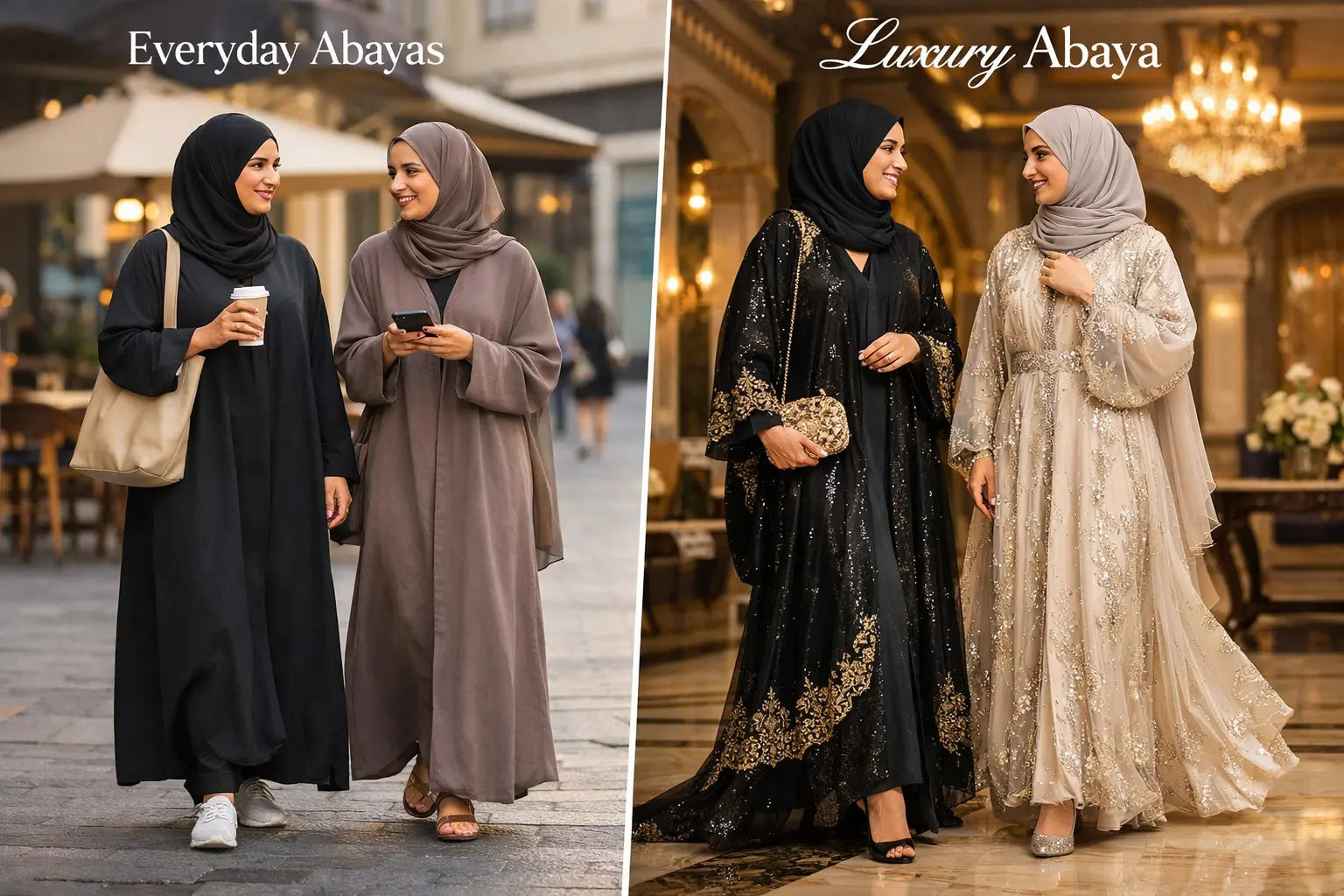
If Part 1 explored the emotional and cultural gravity of Abaya Noir, Part 2 turns toward its anatomy. Here, modest fashion reveals itself not as limitation, but as design intelligence—where silhouette, craftsmanship, and material choice work together to express identity without excess.
The modern abaya is not one shape, one fabric, or one philosophy. It is a language spoken through cut, movement, and restraint.
Silhouettes That Shape Presence
Silhouette is the first message an abaya sends.
Early abayas were defined by uniformity—straight cuts, generous volume, minimal variation. Today’s designs are far more nuanced. Contemporary silhouettes range from fluid A-lines to softly structured open-front styles, each offering a different relationship between body and garment.
Open abayas introduce layering possibilities, allowing personal styling beneath while maintaining modesty. Closed silhouettes emphasize continuity and calm. Kimono-inspired cuts create architectural flow, while tailored shoulders lend authority.
These variations allow women to choose how visible or reserved they wish to be in different spaces—work, worship, travel, or celebration.
This flexibility mirrors broader fashion movements, where adaptability is prized over rigidity.
Craftsmanship The Quiet Differentiator
In modest fashion, craftsmanship speaks louder than embellishment.
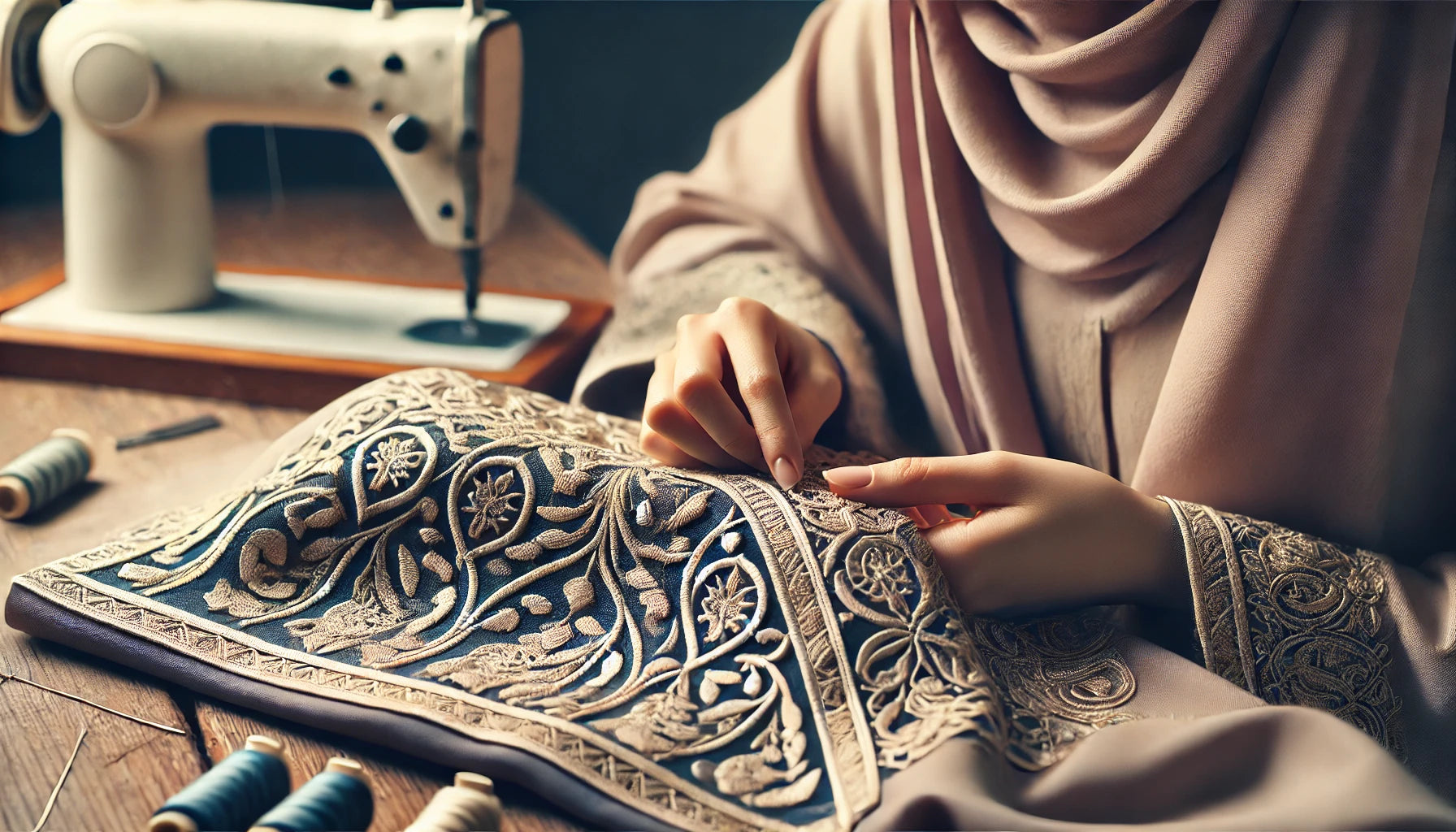
Because the abaya does not rely on exposure, quality must be felt elsewhere—through seam precision, fabric weight, and finishing. A well-crafted abaya moves with intention. It does not cling, collapse, or overwhelm.
Attention to craftsmanship is especially evident in curated designs like the beaded open front robe for women, where subtle detailing replaces overt decoration. Beading is placed with purpose, framing movement rather than dominating it.
This is couture thinking applied quietly.
Fabric Intelligence Beyond Aesthetic
Fabric is not just visual—it is experiential.
Crepe offers controlled flow, resisting wrinkles while maintaining elegance. Satin reflects light softly, ideal for evening or ceremonial wear. Lightweight poly blends provide structure without heaviness. Jersey introduces comfort and ease, especially for daily wear.
The rise of breathable, adaptable textiles reflects how abayas are worn today—not occasionally, but regularly. This evolution aligns with lifestyle-driven choices across fashion, whether selecting garments or complementary accessories designed for comfort without compromise.
Layering fabrics with thoughtful accessories—such as bamboo jersey hijabs—creates cohesion between garment and movement, reinforcing modesty as lived experience rather than static dress code.
Embellishment As Storytelling
When embellishment appears in abayas, it is deliberate.
Embroidery traces hems and cuffs. Beads punctuate seams. Metallic threads echo heritage motifs. These details are not meant to impress from a distance; they are discovered up close.
This approach parallels how luxury is increasingly defined across categories—subtle, tactile, intentional. The same philosophy appears in jewelry storytelling, where history and symbolism matter as much as sparkle, explored through narratives like adorned in time the irresistible allure of vintage jewelry advertising.
In abayas, embellishment becomes a whisper rather than a declaration.
Color Within Noir The Spectrum Of Black
Black is not singular.
Designers work within an entire spectrum—ink black, charcoal, midnight, onyx—each interacting differently with light and texture. Matte finishes ground a look, while subtle sheen adds ceremony. Textured weaves soften structure; smooth surfaces sharpen it.
This exploration of depth within darkness is echoed across other design disciplines, including interiors and textiles, where black is used to create intimacy and contrast rather than absence.
The abaya becomes a study in tone, not color.
Modularity And Layering The New Modest Formula
Modern abayas are designed to layer.
They accommodate dresses, trousers, tunics, and accessories beneath. This modularity allows women to adapt one abaya across multiple contexts, reducing the need for excessive wardrobes while increasing styling flexibility.
This approach reflects a broader shift toward versatile fashion systems—where one foundational piece supports many expressions. It is the same mindset that drives investment in adaptable personal items, from timeless outerwear to considered beauty enhancements.
Layering also supports individuality within modest frameworks, reinforcing choice rather than conformity.
Global Influence Local Integrity
As abayas appear on global runways and in international fashion media, designers face a delicate balance: innovation without dilution.
Successful modern abayas draw inspiration from global couture while remaining rooted in cultural meaning. Tailoring techniques may evolve, but intention remains unchanged.
This balance mirrors how traditional garments across cultures are being reinterpreted—respected, not rewritten.
Craft Meets Everyday Wearability
One of the most important shifts in abaya design is wearability.
Abayas are no longer reserved for formal or religious settings alone. They are worn to work, travel, gatherings, and daily routines. This requires practical considerations: lighter weight, breathable fabrics, durable finishes, and ease of care.
Designers now think about how abayas move through airports, offices, and long days—not just how they photograph. This realism elevates the garment from symbol to staple.
Complementary Styling Completing The Look
An abaya rarely stands alone.
It is styled with hijabs, footwear, bags, and understated jewelry. The harmony between these elements defines the final expression. Minimalist accessories enhance rather than distract. Structured bags add contrast to flowing silhouettes. Soft fabrics balance architectural cuts.
This holistic approach to styling reinforces modest fashion as complete fashion—not an alternative, but an equal.
From Craft To Choice
Understanding silhouettes and craftsmanship empowers confident selection.
When women understand why a cut works, why a fabric behaves a certain way, and how details influence longevity, purchasing becomes intentional rather than impulsive. The abaya becomes an informed choice, not a default.
Styling Abaya Noir Personal Expression And The Modern Modest Wardrobe
If craftsmanship gives the abaya its structure, styling gives it voice.
The modern abaya is no longer worn in a single way or for a single purpose. It has become a flexible foundation—one that adapts to lifestyle, environment, and personality without compromising modesty. Abaya Noir, in particular, thrives in this versatility. Black does not dictate expression; it amplifies it.
This is where modest fashion becomes deeply personal.
The Abaya As A Styling Foundation
Think of the abaya as a canvas, not a statement piece that competes for attention.
Black allows everything else to breathe—fabric texture, silhouette, accessories, and movement. Whether worn open or closed, structured or fluid, the abaya anchors an outfit while allowing individuality to surface.
This foundational role is why women often build entire wardrobes around a few core abayas, rotating inner layers, hijabs, and accessories to create distinct looks from the same base.
Everyday Elegance Dressing For Real Life
Modern modest wardrobes are built for motion.
Abayas are worn to work, errands, family gatherings, travel, and social events. Styling must support comfort as much as elegance. Lightweight inner dresses, breathable fabrics, and flexible silhouettes allow long wear without fatigue.
Hair and beauty routines also adapt to this reality. Many women balance hijab wear with hair care solutions that support volume and health underneath, often informed by length-based guides such as 18 inch extensions the versatile length you’ll love. Styling is holistic—it considers what is seen and what is felt.
Layering Intelligence Creating Depth Without Excess
Layering is central to abaya styling.
An open abaya layered over a monochrome dress creates vertical flow. A belted silhouette introduces shape without exposure. Textured inner fabrics add dimension beneath matte outer layers.
Layering also allows seasonal adaptation. Heavier fabrics and deeper textures suit cooler months, while lightweight crepes and breathable weaves transition effortlessly into warmer climates.
This modular approach reduces the need for excessive garments while expanding styling possibilities—an increasingly valued principle in modern wardrobes.
Hijab Pairings Texture Over Contrast
With Abaya Noir, hijab choice becomes about texture rather than color contrast.
Soft neutrals, tonal blacks, charcoals, and muted metallics enhance sophistication. Fabric choice matters more than shade. Breathable, flexible options like bamboo jersey hijabs offer comfort and drape that complement flowing abayas without adding bulk.
Styling here is subtle. The goal is cohesion, not contrast.
Accessories As Quiet Accents
Accessories in modest fashion function differently than in trend-driven styling.
They are chosen to enhance presence, not to dominate it. Structured handbags ground fluid silhouettes. Minimal jewelry adds light without distraction. Shoes complete proportion rather than command attention.
This restraint reflects a broader luxury shift toward intentional accents, similar to how editorial fashion moments—like those explored in 11 celebrity hairstyles that stole the show—often rely on one focal point rather than many competing elements.
In Abaya Noir, the garment itself remains the anchor.
Occasion Dressing Without Costume
One of the greatest strengths of the modern abaya is its ability to transition between occasions.
The same black abaya can appear understated during the day and ceremonial in the evening through subtle changes—embellished cuffs, refined accessories, or fabric sheen. This adaptability eliminates the need for separate wardrobes for modest wear and formal wear.
Designs with refined detailing—such as softly embellished open styles—offer this versatility naturally, allowing the wearer to adjust expression rather than change garments.
Travel Styling Modesty In Motion
Abayas travel exceptionally well.
Loose silhouettes accommodate movement, while black conceals creasing and wear. Layering allows adaptation across climates. Practicality meets elegance in transit.
For women who travel frequently, abayas become trusted companions—easy to pack, easy to style, and appropriate across cultures. This universality mirrors how modern fashion increasingly prioritizes global relevance over localized trends.
Cultural Identity And Personal Narrative
Styling an abaya is also an act of storytelling.
Each choice—fabric, cut, hijab, accessory—reflects how a woman relates to her culture, faith, and individuality. Some prefer minimalism. Others embrace ornamentation. Some blend contemporary and traditional elements fluidly.
There is no single correct expression. The power of Abaya Noir lies in its openness to interpretation.
The Influence Of Modern Media And Inspiration
Digital platforms have expanded how modest fashion is seen and shared.
Women draw inspiration from global communities, editorials, and creative expressions across fashion, beauty, and lifestyle content. Hairstyles, accessories, and styling cues cross categories fluidly, as seen in playful fashion narratives like 11 cute bandana hairstyles you need to try, reinforcing that modest fashion is not isolated—it is interconnected.
This exchange enriches styling possibilities without diluting identity.
Building A Thoughtful Modest Wardrobe
A modern modest wardrobe is curated, not crowded.
A few well-chosen abayas form the backbone. Versatile hijabs, inner layers, and accessories rotate around them. Each piece earns its place through adaptability and longevity.
This approach mirrors broader lifestyle shifts toward intentional consumption—choosing pieces that serve many moments rather than chasing constant novelty.
From Styling To Ownership Confidence
When styling feels intuitive, confidence follows.
The abaya stops feeling like something to “figure out” and becomes second nature. Movement becomes effortless. Expression feels authentic. The garment supports life rather than restricting it.
Perfect — here is the final installment, written to close the narrative, reinforce trust, and guide the reader naturally into a confident purchase decision, without sounding promotional.
Ownership Care Longevity And Choosing With Intention
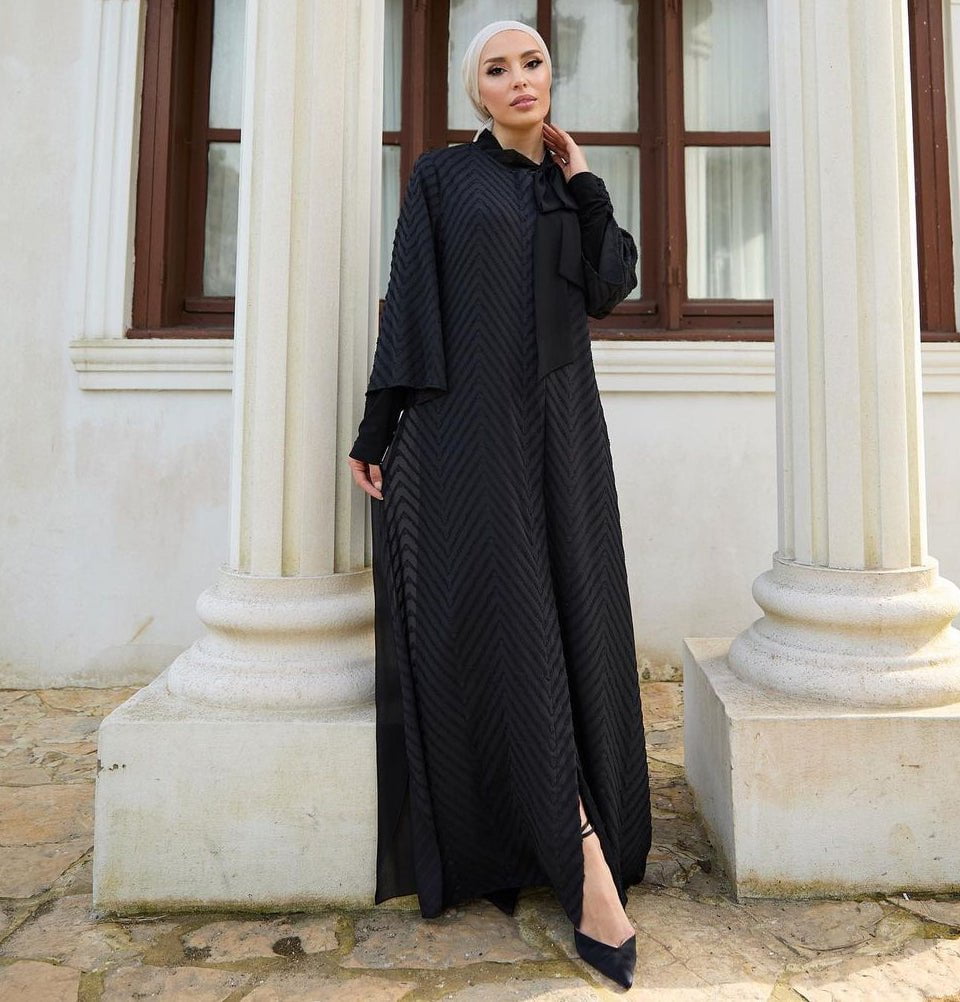
Owning an abaya is not a moment—it is a relationship.
Unlike trend-driven garments that peak at purchase and fade with time, a well-chosen abaya grows into its role. It adapts to your movement, your rhythm, and your life. Abaya Noir, in particular, is not about novelty. It is about permanence, intention, and continuity.
This final chapter is about living with the abaya—caring for it, preserving it, and choosing it with clarity rather than impulse.
Understanding Wear Patina Is Not Wear And Tear
Abayas, especially those crafted in deep black tones, evolve subtly over time.
Softening at the sleeves, gentler folds along the hem, and fluidity in movement are not signs of decline. They are signs of belonging. A well-made abaya does not lose elegance through wear—it gains familiarity.
Black conceals repetition while revealing refinement. This is why it remains the most trusted color in modest wardrobes across generations.
Care As Preservation Not Maintenance
Caring for an abaya does not require obsession. It requires respect.
Gentle washing, proper drying, and mindful storage preserve fabric integrity and silhouette. Hanging garments to breathe between wears, avoiding overcrowded closets, and folding embellished pieces carefully extends their life significantly.
Lightweight abayas benefit from rest between wears, just as heavier fabrics benefit from structured hanging. Care becomes ritual—not obligation.
Fabric Awareness Caring With Intelligence
Different abaya fabrics respond differently to care.
Crepes maintain structure with minimal intervention. Satin and embellished fabrics benefit from professional cleaning. Breathable blends prioritize ease and durability for daily wear.
Understanding fabric behavior empowers ownership. The more familiar you are with how your abaya moves and rests, the longer it will serve you beautifully.
This awareness mirrors how women approach other long-term wardrobe and lifestyle investments—choosing thoughtfully, maintaining gently, and avoiding excess.
Building A Wardrobe Around Abaya Noir
A strong modest wardrobe does not rely on quantity.
It relies on a foundation.
Many women begin with a core black abaya, then expand intentionally—adding variations in texture, cut, or detailing while maintaining cohesion. Collections such as abaya burqa styles and abaya color collections support this modular approach, allowing expression without fragmentation.
The result is a wardrobe that feels expansive without being overwhelming.
Emotional Longevity Why Some Garments Stay
Certain garments remain long after others leave.
An abaya worn during pivotal life moments—travel, prayer, celebration, transition—absorbs meaning. Over time, it becomes less about how it looks and more about what it carries.
This emotional longevity is why abayas are often kept, passed down, or revisited rather than replaced. They become markers of identity, not just style.
Modesty As A Personal Decision
The most important truth about modest fashion is that it is chosen, not imposed.
The modern abaya represents agency. It reflects how a woman defines beauty, privacy, and presence on her own terms. Styling, layering, and accessorizing are acts of self-authorship.
There is no universal formula—only alignment.
When Choice Becomes Confidence
A confident purchase is quiet.
It comes after understanding—not urgency. When you know why a silhouette works, why a fabric suits your lifestyle, and how a garment will live with you over time, decision-making becomes effortless.
This is where education transforms into action. Not because you are persuaded, but because you are ready.
The Transaction Without Pressure
Buying an abaya should feel affirming, not rushed.
When craftsmanship, design, and intention align, the transaction becomes a continuation of values—not a leap of faith. The garment does not ask you to change. It meets you where you are.
This is the essence of Abaya Noir.
Beyond Fashion Toward Legacy
Fashion fades. Meaning remains.
A black abaya is not just worn—it is lived in. It holds faith, culture, restraint, elegance, and self-definition in equal measure. It evolves without losing itself. It speaks without raising its voice.
In a world that moves quickly, Abaya Noir stands still enough to endure.


