
-

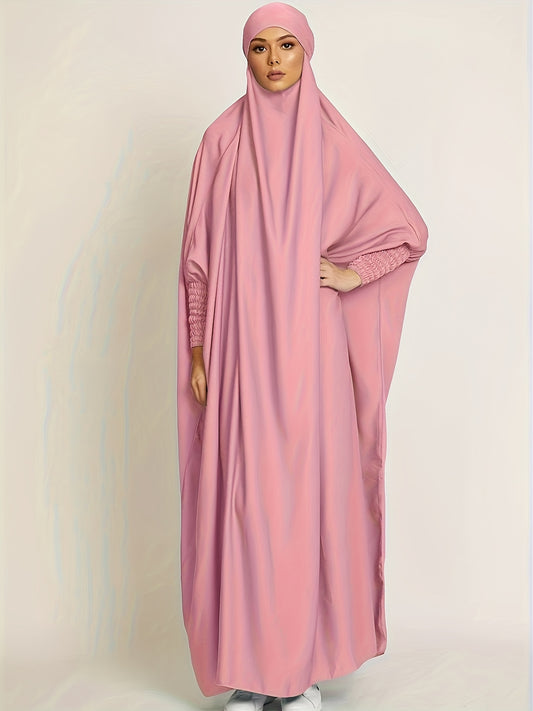
Long Sleeve Solid Color Jibab Abaya - Women's Traditional Arabian Polyester Robe with Tie Back, 95% Polyester 5% Elastane, 135g/m² - Muslim Nida Hijab Dress
Regular price From $166.89 USDRegular priceUnit price per$0.00 USDSale price From $166.89 USD -

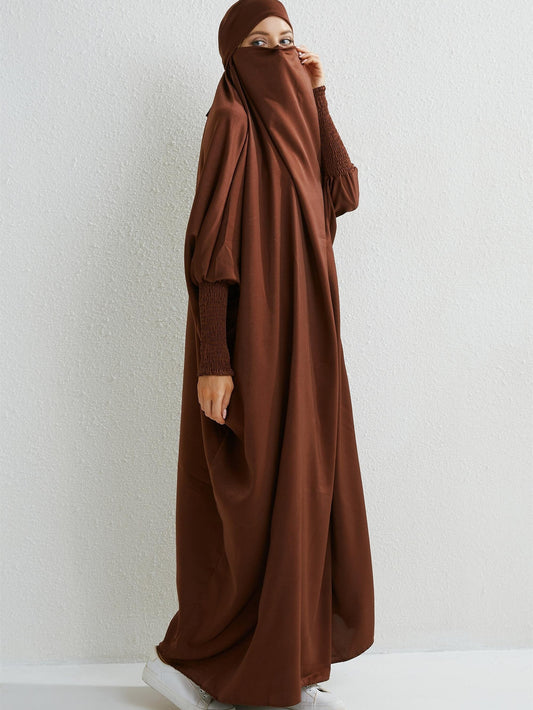
Women's Modest Jibab Abaya Dress with Hijab - Batwing Sleeves & Smocking Detail, Full-Length Prayer Robe, Islamic Clothing, Machine Washable Solid Color for Ramadan & Daily Wear, Allseason Robe, Hshaped Silhouette, Nontransparent F
Regular price From $178.01 USDRegular priceUnit price per$0.00 USDSale price From $178.01 USD -

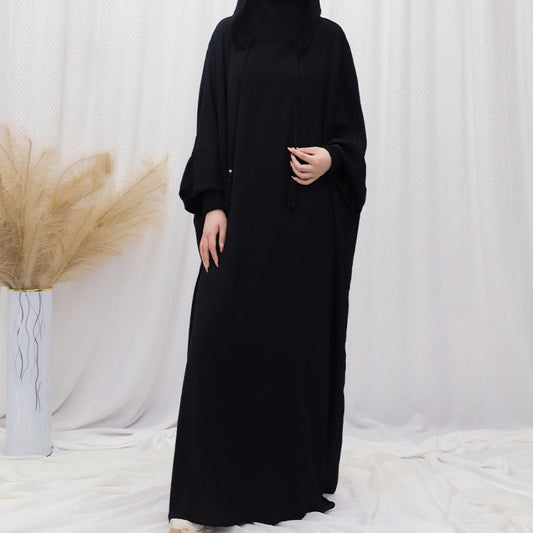
Women's Islamic Prayer Dress & Modest Jibab Abaya - Soft Pink (Pastel) Full Coverage Hijab Robe with Sleeves, for Ramadan, Travel, Daily Prayer - Muslim Kaftan, Muslimah Clothing, Modestwear Outfit, Elegant Drape, Breathable Fabric
Regular price $190.41 USDRegular priceUnit price per$0.00 USDSale price $190.41 USD -

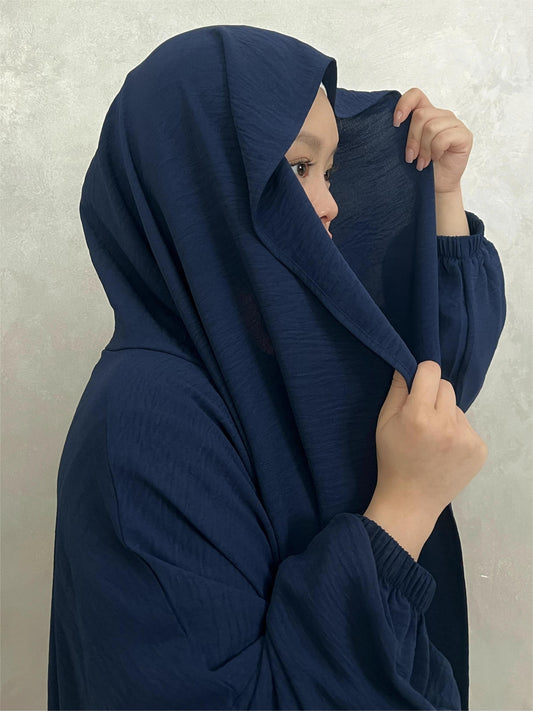
Elegant Crepe Hooded Jibab Abaya Hijab | Modest Long Sleeve Full Coverage Prayer Dress with Attached Scarf & Pockets, Machine Washable Medium Stretch Solid Color
Regular price From $173.57 USDRegular priceUnit price per$0.00 USDSale price From $173.57 USD


About Green Hijab
The Complete Guide To Green Hijabs
The hijab is one of the most recognizable symbols of modest fashion, carrying cultural significance, spiritual resonance, and aesthetic appeal. Among the wide range of hijab colors, the green hijab stands out with particular prominence. It is a shade that blends tradition with modernity, spirituality with fashion, and symbolism with style. Green represents renewal, harmony, and vitality, and when applied to modest wear, it enhances the wearer’s grace while reflecting a deeper cultural heritage. This extensive guide provides an in-depth look at the green hijab, its historical roots, fabric choices, styling versatility, psychological impact, seasonal adaptability, and role in global fashion. It also explains why green continues to be one of the most celebrated hues in hijab collections.
Symbolism Of Green In Global Contexts
Green is one of the most universally meaningful colors. Across different societies, it carries symbolism that adds depth to its use in hijabs.
In Islamic culture, green holds a revered place. It is associated with paradise, renewal, and divine blessings. Many mosques incorporate green in their domes, carpets, and calligraphy. For Muslim women, wearing a green hijab can reflect both faith and fashion.
In Western societies, green symbolizes growth, balance, and prosperity. It is tied to nature and spring, signifying rejuvenation. In fashion, green is seen as refreshing and grounding, offering calmness without being neutral.
In South Asian traditions, green is tied to fertility, prosperity, and harmony. Brides often wear green outfits or accents during cultural ceremonies. In African cultures, green fabrics represent abundance and connection to the earth.
Psychologically, green evokes stability, peace, and optimism. A green hijab can therefore have an uplifting effect on both the wearer and those around her.
Historical Roots Of Green In Textiles
The use of green in textiles dates back centuries. Ancient dyers experimented with plant-based sources like weld, woad, indigo, and fustic to create shades of green. Islamic artisans perfected techniques to integrate green into elaborate textiles, calligraphy, and carpets. During the Middle Ages, European weavers struggled to maintain green pigments because of chemical instability. They often combined blue and yellow dyes in layers to achieve greens, but the shades faded quickly.
Advancements in dye chemistry during the 19th and 20th centuries made green fabrics durable and stable. Synthetic dyes allowed consistent shades ranging from mint to emerald. Today, green hijabs benefit from these improvements, offering long-lasting color intensity and variety.
Shades Of Green Hijabs
The versatility of the green hijab lies in its broad spectrum of shades. Each shade creates a different mood, making green suitable for all occasions.
-
Emerald green: Deep, jewel-toned, and luxurious. Perfect for formal gatherings and weddings.
-
Olive green: Earthy and sophisticated, suited for everyday wear or professional outfits.
-
Mint green: Fresh, soft, and playful. Ideal for spring and summer.
-
Forest green: Dark and grounding. Works well in autumn and winter.
-
Sage green: Muted and modern. Complements minimalist fashion.
-
Teal green: A cross between green and blue. Great for office attire and formal dinners.
-
Pistachio green: Subtle and youthful. Adds charm to casual looks.
-
Hunter green: Classic and timeless. Suited for conservative or heritage-inspired styling.
-
Chartreuse: Bold and vibrant. Makes a statement in creative wardrobes.
-
Seafoam green: Gentle and calming. Works with pastel-colored abayas.
-
Lime green: Bright and energizing. Often used in contemporary fashion.
-
Khaki green: Neutral-leaning, practical for travel and outdoor wear.
-
Jade green: Gemstone-inspired, refined for evening occasions.
-
Avocado green: Retro-inspired, fashionable in casual streetwear.
-
Celadon green: Pale and elegant, suitable for summer events.
-
Moss green: Rich and natural, grounding for autumn outfits.
-
Pine green: Darker and elegant, especially in silk fabrics.
-
Turquoise green: Fresh blend of green and blue, dynamic for festive wear.
-
Apple green: Fun, bright, and casual.
-
Bottle green: Traditional and polished, widely popular in South Asian attire.
This variety ensures that the green hijab can adapt to personal preferences, seasons, and events.
Fabrics Commonly Used For Green Hijabs
Fabric determines the comfort, coverage, and overall styling of hijabs. Green hijabs come in a wide range of textiles, each offering unique qualities.
Chiffon
Lightweight, semi-sheer, and flowy. Provides elegance but often requires layering for opacity. Best for weddings, dinners, and formal events.
Georgette
Slightly heavier than chiffon, with a subtle texture that grips better. Offers durability and professional appeal. Ideal for offices and daily wear.
Jersey
Stretchy, breathable, and opaque. Requires no pins, making it practical for active lifestyles. Perfect for students, travelers, and casual wear.
Cotton
Soft, breathable, and matte. Excellent for hot climates and long hours of wear. Cotton green hijabs are staples in everyday wardrobes.
Silk
Luxurious, shiny, and delicate. Best suited for formal events, weddings, and celebrations. Requires careful maintenance but offers unmatched elegance.
Satin
Shiny with a smooth finish. Creates a glamorous look for festive occasions.
Viscose
Lightweight and breathable with good draping ability. A balanced option for all-day wear.
Modal
Soft, smooth, and eco-friendly. Provides both comfort and sustainability.
Linen blends
Textured and breathable, ideal for summer wear with a natural aesthetic.
Styling Possibilities With Green Hijabs
Green hijabs are versatile in styling and can be adapted to various looks:
-
Classic wrap: Modest and timeless, pinned under the chin.
-
Turban style: Chic and modern, great for professional and social settings.
-
Loose drape: Relaxed and effortless, suitable for casual wear.
-
Layered folds: Sophisticated for formal events, adds volume and dimension.
-
Pinned side drape: Creates asymmetry, perfect for evenings.
-
Undercap combinations: Contrasting undercaps add flair and prevent slipping.
Green hijabs pair well with jewelry, handbags, and shoes. Gold jewelry complements emerald and forest shades, while silver enhances mint and teal tones. Neutral handbags balance bright greens, while bold accessories highlight muted greens.
Green Hijabs For Different Occasions
Daily Wear
Cotton or jersey hijabs in olive, sage, or khaki provide comfort and versatility. They pair well with neutral outfits for effortless daily styling.
Professional Environments
Georgette or modal hijabs in muted tones like teal or forest green project professionalism. They complement blazers, tailored trousers, and dresses.
Weddings
Silk or satin green hijabs in emerald, jade, or bottle green exude luxury. Embellished versions with sequins or lace borders enhance bridal or guest outfits.
Religious Gatherings
Green hijabs carry spiritual symbolism, making them suitable for prayer, mosque visits, and religious festivals. Simple cotton or georgette fabrics maintain modesty and respect.
Travel
Jersey or viscose hijabs in khaki or mint ensure comfort and easy styling. They resist wrinkles and require minimal maintenance on the go.
Seasonal Adaptability
The green hijab adapts seamlessly across seasons:
-
Spring: Mint, pistachio, and sage green reflect freshness.
-
Summer: Cotton hijabs in light lime or seafoam keep the wearer cool.
-
Autumn: Olive, moss, and avocado tones align with earthy palettes.
-
Winter: Emerald, pine, and hunter green add depth and warmth.
This adaptability makes green hijabs a year-round essential.
Regional Perspectives
Green hijabs resonate differently across regions:
-
Middle East: Symbolize prosperity and faith, often styled in silk for formal occasions.
-
South Asia: Popular in weddings and Eid outfits, often paired with gold embroidery.
-
Europe: Embraced for minimalist styling, often in muted sage or olive tones.
-
North America: Popular in streetwear and modest fashion circles, blending casual and chic.
-
Africa: Bright green hijabs reflect cultural vibrancy and festive traditions.
-
Australia and Canada: Adopted for practicality and versatility across diverse climates.
The Psychological Impact Of Wearing Green Hijabs
Studies in color psychology show that green has a calming effect. It lowers stress, promotes balance, and inspires renewal. Women who wear green hijabs often report feeling composed and centered. In public settings, green suggests openness and approachability, while in spiritual contexts, it reinforces faith and peace.
Care And Maintenance
Green hijabs retain beauty with proper care:
-
Washing: Hand-wash delicate fabrics like chiffon, silk, or georgette. Use cold water and mild detergent.
-
Drying: Air dry flat or hang on padded hangers. Avoid direct sunlight to prevent fading.
-
Ironing: Use steam or low heat depending on fabric type.
-
Storage: Fold neatly or hang to prevent creases. Store in breathable bags.
-
Stain removal: Dab spills gently with mild soap; avoid harsh chemicals.
Sustainability And Green Hijabs
Eco-conscious fashion has become important. Sustainable green hijabs are increasingly available, produced using:
-
Organic cotton, bamboo, or modal fibers.
-
Low-impact or plant-based dyes.
-
Recycled polyester blends.
-
Fair-trade sourcing to support artisan communities.
By integrating sustainability, hijabs align with global trends in ethical fashion. Fabulive’s collections reflect this modern responsibility while ensuring elegance and inclusivity.
Investment Value
Green hijabs are not trend-driven purchases. Their timeless color and cultural resonance guarantee longevity. Quality fabrics like silk, georgette, and jersey ensure durability, making them investments that last years rather than disposable fashion items.
The Future Of Green Hijabs
The modest fashion industry is evolving. Future green hijab trends will include:
-
Wrinkle-free fabrics for easier maintenance.
-
Moisture-wicking blends for active wear.
-
Expanded shade ranges inspired by runway palettes.
-
Customization options where customers select specific hues and finishes.
-
Integration with smart textiles that regulate temperature.
The future promises innovation while retaining cultural authenticity.
Why Fabulive’s Green Hijabs Stand Out
Fabulive’s green hijabs combine versatility with craftsmanship. Offering a spectrum of fabrics and shades, they cater to diverse needs—from casual wear to weddings. Each piece reflects quality and inclusivity, designed to empower women in expressing modesty with elegance. The durability of the fabrics, combined with modern styling options, ensures long-term satisfaction. Fabulive’s emphasis on sustainability also demonstrates responsibility, making their collection relevant for global audiences.
10 Human-Like Reviews
-
Sophia R., USA: “The sage green hijab I purchased is lightweight yet elegant. It matches both work outfits and casual looks.” ⭐⭐⭐⭐⭐
-
Amira H., UAE: “The emerald silk hijab is stunning. I wore it at a wedding, and it became the highlight of my outfit.” ⭐⭐⭐⭐
-
Layla K., UK: “The olive jersey hijab is comfortable, practical, and stylish. I wear it daily.” ⭐⭐⭐⭐⭐
-
Hannah M., Australia: “Mint green is my favorite for summer, and the cotton fabric feels breathable all day.” ⭐⭐⭐⭐⭐
-
Nadia R., Canada: “The forest green georgette drapes beautifully and looks professional in the office.” ⭐⭐⭐⭐
-
Lucas D., Germany: “I bought the teal green hijab as a gift for my wife. She loved the quality and texture.” ⭐⭐⭐⭐⭐
-
Isabella J., Italy: “The pistachio hijab is fresh and modern. I’ve received many compliments.” ⭐⭐⭐⭐⭐
-
Mariam S., Saudi Arabia: “The bottle green silk hijab feels luxurious and elegant, perfect for formal events.” ⭐⭐⭐⭐
-
Olivia P., France: “The moss green shade is versatile and chic. It pairs easily with my neutral wardrobe.” ⭐⭐⭐⭐⭐
-
Noah B., USA: “I gifted my sister a jade green hijab, and she loved the color and softness.” ⭐⭐⭐⭐