
-

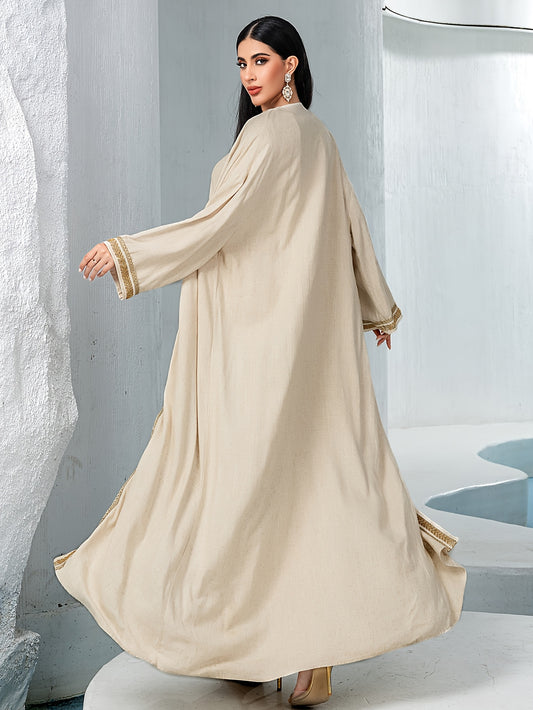
2pcs Traditional Style Beige Hand-Embroidered Rhinestone with Woven Belt, Polyester Long Emirati Abaya Gown Set, Solid Color, Non-Stretch Fabric, Long Sleeve, Regular Fit, All-Season
Regular price $225.04 USDRegular priceUnit price per$0.00 USDSale price $225.04 USD -


4pcs Satin Diamond Tassel Emirati Abaya Set Eid Al Adha, Abaya Muslim Women's Ramadan Iftar Eid Al Adha Iftar Holy Commemoration Prayer Garment Long Robe Gown Global Spring Summer
Regular price From $219.94 USDRegular priceUnit price per$0.00 USDSale price From $219.94 USD -

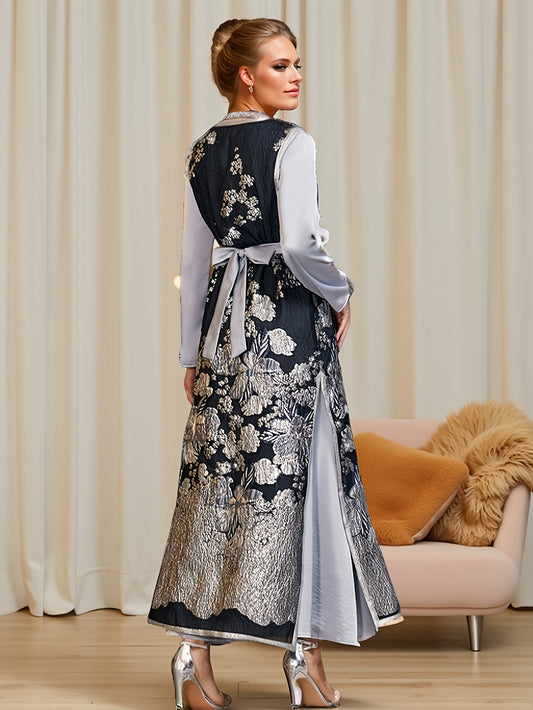
Middle Eastern Women's Casual Printed Emirati Abaya Set, Two-Piece Outfit with Floral Pattern and Rhinestone Embellishments, Long Sleeve, Spring/Summer Wear
Regular price $218.99 USDRegular priceUnit price per$0.00 USDSale price $218.99 USD -

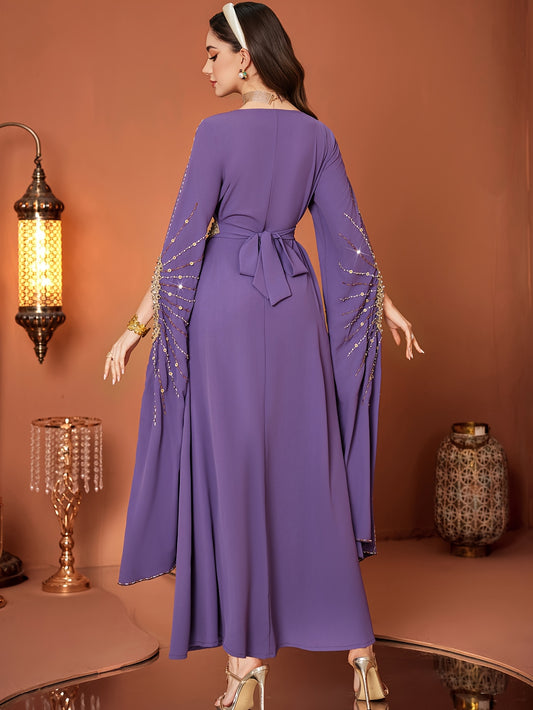
Elegant Lavender Emirati Abaya for Women - Loose Fit, V-Neck with Rhinestone Detail, Long Sleeves, Belted Waist, Perfect for Spring/Summer, Traditional Islamic Fashion, Cultural Attire | Vneck Dress
Regular price $217.59 USDRegular priceUnit price per$0.00 USDSale price $217.59 USD -

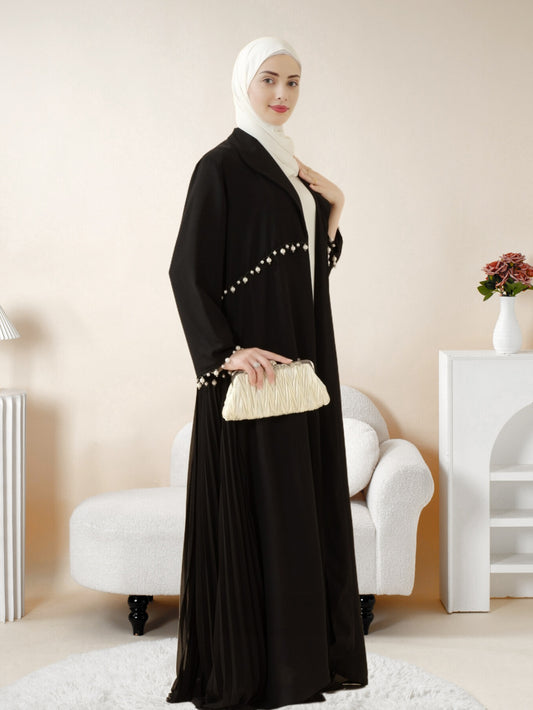
Elegant Pearl-Embellished Black Emirati Abaya with Ruched Detail - Long Sleeve, Floor-Length, Summer Wear for Women, Versatile Fashion|Ruched Abaya|Pearl Embellishments
Regular price $207.40 USDRegular priceUnit price per$0.00 USDSale price $207.40 USD -


Middle Eastern Women's Emirati Abaya 3pcs Set - Machine Washable and Dry Cleanable
Regular price $207.36 USDRegular priceUnit price per$0.00 USDSale price $207.36 USD -
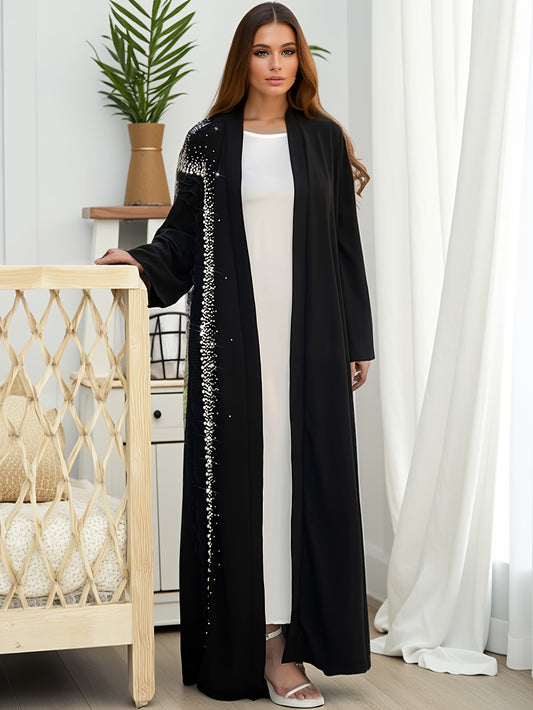
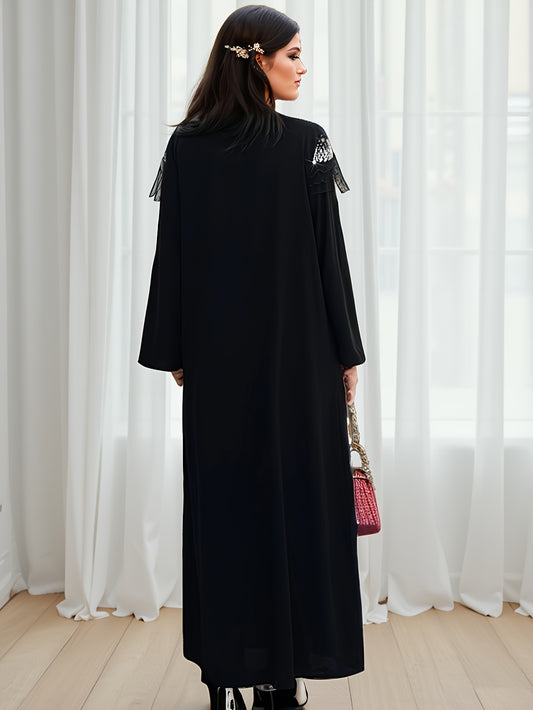
1pc Women's Elegant Formal & Everyday Maxi Dress - Long Sleeve Non-Stretchy Party Wedding Emirati Abaya, Elegant Evening Gown for Women - Formal Events & Casual Attire
Regular price $202.01 USDRegular priceUnit price per$0.00 USDSale price $202.01 USD -

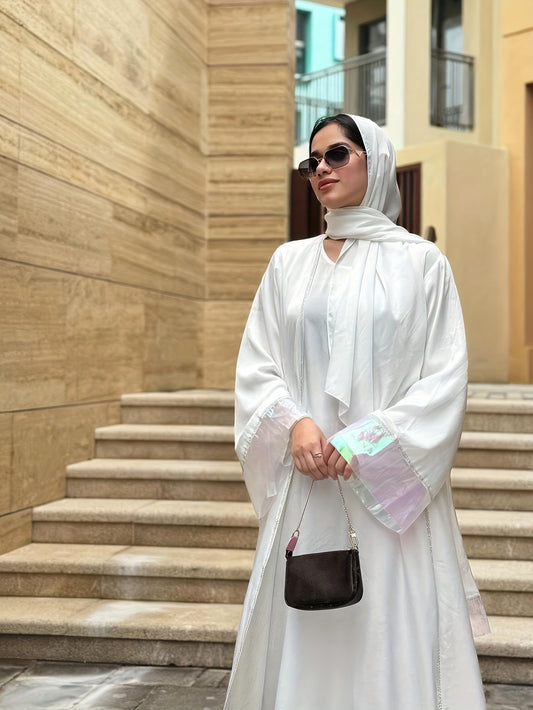
2pcs Set, Dubai Fashion Rhinestone Embellished Muslim Emirati Abaya/Jilbab with Long Sleeve Round Neck Dress and Headscarf, 100% Polyester, Solid Color, All-Season, Long Length, No Belt
Regular price $213.63 USDRegular priceUnit price per$0.00 USDSale price $213.63 USD -

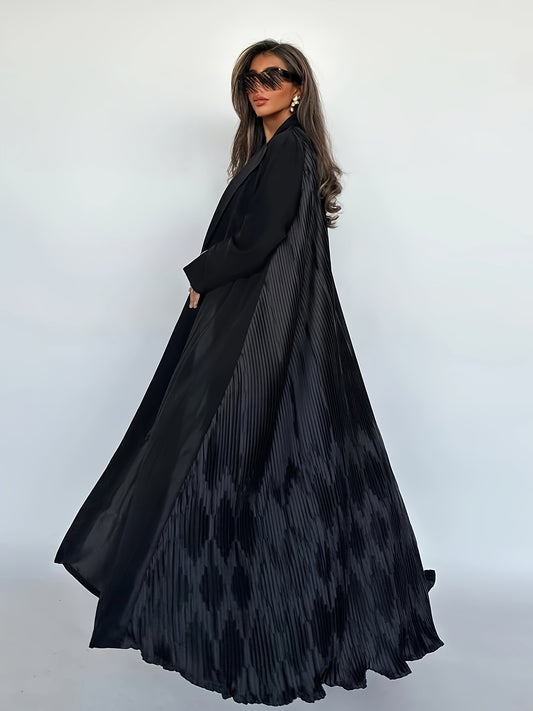
Elegant Black Arabian Fashion Emirati Abaya with Ruffle Detail - V-Neck, Long Sleeve, Floor-Length Kaftan for Women, Casual Style, All-Season Wear, Casual Wear Abaya | Vneck Abaya | Polyester Abaya
Regular price $206.88 USDRegular priceUnit price per$0.00 USDSale price $206.88 USD -

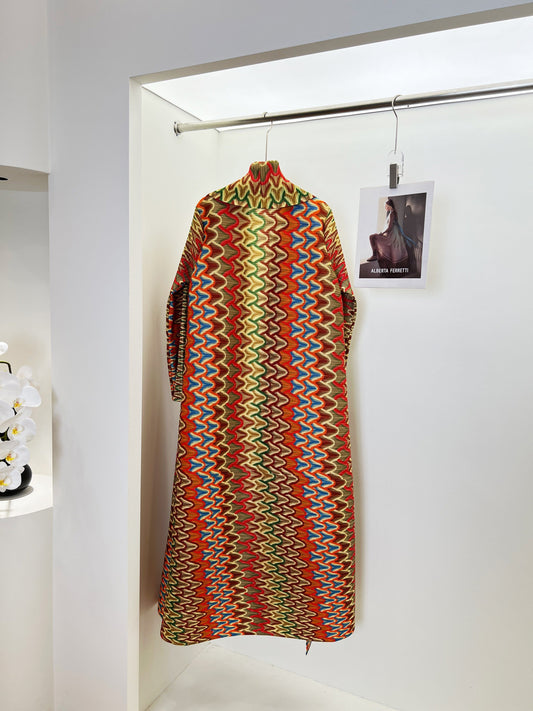
2025 Spring/Summer New Miyake Wrinkled Art Islamic Emirati Abaya Dress Muslim Loose Large Size Breathable
Regular price $206.08 USDRegular priceUnit price per$0.00 USDSale price $206.08 USD


About Emirati Abaya
Introduction To Emirati Abayas
The Emirati abaya is a modern classic: an elegantly engineered garment that conveys modesty, cultural pride, and contemporary refinement in a single sweeping silhouette. Rooted in the United Arab Emirates yet admired worldwide, it represents a design language where restraint is elevated to an art form—clean lines, premium fabrics, and details so precise they feel inevitable rather than added on. The result is a wardrobe mainstay for daily life, formal occasions, and moments of celebration, with the quiet confidence of couture and the comfort of a second skin.
A Brief Timeline Of Emirati Abaya Design
The earliest abayas in the Gulf were unstructured black cloaks whose purpose was purely functional: coverage, comfort, and climate suitability. As the UAE urbanized in the late twentieth century, access to global textiles and tailoring techniques increased. Tailors began experimenting with lighter crepes that draped better in heat, chiffon overlays for visual movement, and satin piping for a minimal glint. In the 1990s and early 2000s, subtle sleeve work and tonal embroidery entered mainstream use for special events. The last decade added architectural sleeves, controlled volume, hybrid closures, and selective handwork—while retaining the defining ethos: modesty first, ornament only when it supports the line.
Cultural Meaning And Everyday Relevance
Beyond aesthetics, the Emirati abaya functions as a shared cultural script. It is formal enough for majlis visits and official events, relaxed enough for school runs, and respectful for prayer. In many families it is also a giftable heirloom that marks milestones. That dual role—uniform and statement—explains its longevity. It is a garment that locates the wearer within community, yet leaves ample space for personal taste through fabric, cut, and subtle detail choices.
Anatomy Of An Emirati Abaya
A designer will consider the abaya’s architecture in layers. The base cut determines sweep and airflow; the sleeve pattern (straight, kimono, butterfly, bell) controls gesture and presence; the neck and opening treatment (band collar, open front, magnetic or hidden snap closure) governs formality; and micro-details—hem weights, inner facing, French seams, satin binding—stabilize the silhouette so it hangs cleanly in motion. A well-made abaya looks calm when the wearer is still and fluid when she moves.
The Fabric Science: Crepe, Chiffon, Satin, Silk, And Velvet
Crepe remains the everyday champion: matte, breathable, and weight-balanced so it neither clings nor billows. Chiffon supplies visual lightness—often as an outer layer or sleeve panel. Satin brings luminosity for evening wear, while pure silk introduces a rarefied glide and micro-sheen that reads luxurious without shouting. Velvet is reserved for winter majlis or night events, delivering depth and dramatic fall. Quality control revolves around three tests: opacity in bright sun, hand-feel against the skin, and recovery (how quickly the weave settles after sitting).
Minimalism With Intention
The signature Emirati look is minimal rather than plain. Think tone-on-tone embroidery tracing a seam that already exists; a thin satin welt that emphasizes a shoulder line; a double-turned hem weighted enough to fall true in a breeze. The design philosophy is subtractive: remove anything that does not contribute to line, movement, or comfort. That is why Emirati abayas often feel effortlessly chic even when devoid of obvious ornament.
Sleeve Architectures And What They Communicate
Sleeves are the abaya’s most communicative component. A straight sleeve signals function and modernity. A butterfly sleeve adds ceremony and photogenic movement; it flatters by creating a halo of fabric around the arms. A kimono sleeve introduces structure and strong horizontals, perfect for belt styling. Bell sleeves soften the profile and suit lace or tulle inserts. Designers sometimes taper the inner seam and flare the outer seam so the sleeve reads sculptural in profile yet remains practical for dining or driving.
Pattern Engineering For Fit And Flattery
The best abayas are drafted, not guessed. Pattern makers balance shoulder slope, armhole depth, and underarm ease to prevent pull lines when lifting the arms. Hip sweep is calculated to allow seated comfort without puddling fabric. In movement tests, the hem should clear the ground yet create a ribbon of flow behind the wearer. Premium houses log measurements by size block and height, offering petite, standard, and tall lengths so the cut remains proportional.
Color Philosophy: The Many Lives Of Black And Beyond
Black is the canonical tone because it frames the face and communicates ceremony, but Emirati wardrobes frequently include a restrained palette: ink navy for corporate gravity, charcoal for architectural clarity, bone and oyster for daytime elegance, deep maroon for winter evenings, and sage or muted teal for modern softness. The color decision often tracks use case: black and navy for public roles, charcoals and jewel tones for gatherings, light neutrals for garden lunches or coastal settings.
Detailing: Tonal Embroidery, Lace Logic, And Sparkle Discipline
Tonal embroidery is placed with surgical precision—along a seam to emphasize cut, at cuffs to balance sleeve volume, or as a vertical cadre to elongate the line. Lace is used like punctuation, not wallpaper: a narrow insertion that softens a transition or a scallop that frames a sleeve opening. Sparkle is disciplined: micro-crystals or jet beads map onto motifs that are already present, avoiding visual noise. The rule is simple: if it does not improve proportion, it is edited out.
Occasion Mapping: Daily, Professional, Festive, And Formal
Daily abayas prioritize fabric that breathes, sleeves that do not drag, and closures you can manage one-handed. Professional abayas lean toward matte crepes and architectural sleeves with restrained detail—quiet authority. Festive abayas use chiffon movement, satin edges, or lace cuffs for joyful presence. Formal abayas for weddings or national celebrations deploy higher-end fabrics, couture finishing, and light-catching accents that read special under evening light.
Climate Intelligence And Layering
The Gulf climate demands airflow and intelligent layering. Designers build micro-venting into sleeve heads, choose crepe weights that hold structure without trapping heat, and line selectively (fronts yes, sleeves often no). In cooler months, velvet, double-crepe, or silk-lined crepe gives warmth without bulk. For travel to temperate regions, a bone-colored crepe with chiffon over-cape reads seasonless and photography-friendly.
Travel Practicality: Pack, Wear, Repeat
An Emirati abaya can be the most efficient travel garment you own. Roll rather than fold to avoid crease memory; hang in a hot shower room to release micro-wrinkles. Carry a fine-tooth fabric brush for lint on matte crepes and a mini steamer for satin sleeves. Choose a versatile cut (open-front kimono with belt) that can move from airport to dinner with a hijab swap and jewelry change.
Sizing, Proportion, And Body Harmony
Proportion—not size per se—determines polish. Petite frames benefit from controlled sleeve volume and vertical surface interest. Tall frames can handle longer capes and broader cuffs. Belted kimono styles map a clear waist for hourglass figures; straight cuts smooth lines for comfort-first dressing. The aim is not to hide shape but to let the garment’s geometry do the flattering.
Maternity And Nursing-Friendly Considerations
Open fronts, hidden snaps, and soft crepes make Emirati abayas naturally maternity-friendly. For nursing, magnetized inner plackets or double-layer fronts provide quick, discreet access while maintaining coverage. A slightly raised front hem avoids dragging when carrying a child, and cotton-blend linings increase breathability.
Accessibility And Motion
Design for life means thinking about wheelchairs, strollers, and stairs. Narrower front hems and slightly longer back hems keep fabric clear of casters; side slits paired with under-layers increase stride length without exposure. Wider armholes and soft sleeve heads accommodate shoulder mobility issues while keeping a tailored look.
Care And Longevity: From Daily Refresh To Archival Storage
Crepe care: cool hand wash or delicate cycle in a mesh bag, dry flat on a towel, steam—not iron—to preserve the grain. Chiffon overlays: hand wash cold, avoid twisting, steam vertically. Satin and silk: professional dry clean or an experienced at-home silk wash; use a press cloth and lowest iron setting inside-out. Velvet: steam only, never press; hang with enough clearance to avoid crushing pile. For storage, choose padded hangers, breathable garment bags, silica gel if you live by the sea, and a cedar block to discourage pests. Rotate wear so seams rest and fibers recover.
Stain Strategy By Material
Oil on crepe: cornstarch to draw, then gentle detergent. Makeup on satin: lift with micellar water on cotton, dab—never rub. Henna on chiffon: cold rinse immediately, then oxygen-based stain remover. Perfume over-spray: spritz the air, walk through; direct contact can spot silk. Always test an inconspicuous area first.
Repair And Alteration Playbook
A loose bead or crystal calls for invisible thread and a fine beading needle. A dropped hem is best resecured with a blind stitch. Sleeve length can be adjusted from the crown (keeping cuff detail intact) if the design allows; reputable ateliers will disassemble and reassemble with the original stitch footprint so the alteration is undetectable.
The Modest Fashion Ecosystem And The Emirati Signature
Modest fashion is global—spanning New York to Kuala Lumpur—but the Emirati signature remains distinct: architectural minimalism, couture-grade finish, and restraint that reads luxurious. That clarity helps the garment integrate into multiple wardrobes: paired with a silk under-dress for a gala, with a crisp abaya inner for work, or with palazzo trousers for weekend ease.
Ethical Sourcing And Sustainability
Conscious buyers increasingly ask about fabric provenance and labor standards. Responsible makers prioritize OEKO-TEX-certified dyes, closed-loop viscose for chiffons, and small-run, fairly paid workshops. Packaging can be right-sized and recyclable; garment bags can be non-PVC. An Emirati abaya built to last is inherently sustainable—buy better, buy fewer, repair when needed.
Global Retail Access And Sizing Confidence
International shoppers want accuracy more than adjectives: precise length charts by height, shoulder breadth data, sleeve drop measurements, and return policies that respect hygiene and cultural norms. Platforms like Fabulive simplify discovery with consistent size blocks, clear photography, and transparent care notes so cross-border clients buy with confidence. ← (1/6)
Curated Collections And Brand Positioning
Selection matters. A thoughtful retailer edits by fabric quality, cut integrity, and finishing standards rather than by surface trend. Fabulive’s Emirati abaya curation emphasizes breathable crepes, balanced sleeve architecture, and tonal detailing that photographs beautifully without overshadowing the wearer. ← (2/6)
Comparison Tools And Visualization
Smart shopping tools reduce guesswork. Side-by-side silhouettes, close-up stitch views, and “on-movement” videos show how a hem behaves on stairs or how a butterfly sleeve frames a gesture. Through Fabulive, shoppers can compare lengths, sleeve shapes, and drape in seconds, then shortlist options that match climate, event, and personal style. ← (3/6)
Service And Aftercare
Great abayas deserve great service: alteration guidance, fabric swatch mailers for critical color matching, and care checklists included with each parcel. Customer teams trained to answer “Will this sleeve catch on a desk?” or “How does this hem behave on marble floors?” make a practical difference. Customer care at Fabulive is designed around such use-case questions so buyers choose the right piece the first time. ← (4/6)
Sustainability Filters And Responsible Choices
As sustainability preferences diversify, meaningful filters matter: “tonal embroidery,” “OEKO-TEX dye,” “recycled garment bag,” “petite-friendly cut.” Fabulive’s store taxonomy helps buyers express values without hunting through product pages—streamlining ethical choice alongside aesthetic choice. ← (5/6)
Styling Systems: From Prayer To Gala
Build a modular kit: a matte-crepe open abaya with band collar, a chiffon over-cape for movement, a narrow satin belt for definition, a pair of neutral hijabs (oyster and ink), and an inner slip in bone silk. This five-piece system travels light and morphs from prayer to dinner by swapping the cape or adding a brooch. Jewelry logic: earrings for hair-covered looks, bracelets for wide sleeves, brooches when the neckline is spare.
Photographic Presence: In Person And On Camera
Under natural light, matte crepe reads dimensional; under ballroom LEDs, satin piping and micro-beadwork register without glare if applied sparingly. For portraits, a slightly structured shoulder sharpens the frame. For video, moving elements (cape panel, butterfly cuff) supply visual interest. Neutral hijab tones avoid color cast on skin.
Workwear Integration
A charcoal crepe with a clean open front, internal snaps, and a narrow belt passes every office test: it slides over desk chairs, resists creasing during meetings, and pairs with low-contrast inner layers that keep the look cohesive. A single line of tonal embroidery at cuff level can stand in for jewelry in conservative settings.
Event Dressing: Weddings, Graduations, National Days
For weddings, chiffon over-layers, fine lace cuffs, and a jeweled clasp feel celebratory while retaining modesty. For graduations, an architectural kimono sleeve under a gown photographs beautifully—volume that reads ceremonial but is easy to manage. National days invite heritage motifs: geometric stitchwork inspired by regional patterns, rendered in tonal threads that honor the line.
Abaya And Beauty: Makeup And Fragrance Etiquette
Makeup should sync with fabric. Velvet loves depth—plum lip, defined liner. Chiffon responds to airy neutrals. For fragrance, spray away from silk and satin; apply to pulse points before dressing to prevent spotting. A fragrance veil in hair (when uncovered at home events) pairs well with matte crepe’s understated luxury.
Practical Checklists For Buyers
Fit checklist: shoulder sits true, sleeve clears wrist bone, hem floats above floor with flats and does not grab stairs. Fabric checklist: opacity in sun, hand-feel at cuff where skin is sensitive, wrinkle recovery test after sitting for five minutes. Care checklist: knows the recommended cleaning method and has the tools (steamer, mesh bag, suitable hanger) before first wear.
Common Mistakes To Avoid
Over-decorating a minimal cut; choosing a sleeve that looks dramatic but fails daily tasks (seat belt, laptop bag); underestimating hem drag on polished floors; ignoring climate when choosing linings; buying without a length guide. The fix is simple: treat the abaya like architecture—function dictates form, form refines beauty.
Price And Value: How To Evaluate Quality
Do not judge by weight alone. Quality is fabric hand, grain alignment, seam discipline, and pattern accuracy. Look for even topstitching, balanced left-right ornament, clean inside finishing, and hems that neither rope nor wave. Value accrues where the garment lasts, stays elegant after care, and serves multiple contexts.
The Role Of Community And Representation
The Emirati abaya carries voices—mothers who taught care rituals, designers who refine patterns, artisans who bead by hand. Buying thoughtfully supports a living craft economy and keeps the aesthetic evolving with integrity. Wearing it with intention signals respect for both heritage and present-tense life.
Future Directions: Tech And Craft
Expect more performance crepes with UV mitigation, NFC care tags linking to video instructions, and digital customization that previews sleeve geometry on your exact height. At the same time, the hand of a good tailor remains irreplaceable. The future is not tech versus craft but tech in service of craft.
Conclusion: A Garment Of Clarity And Grace
The Emirati abaya endures because its purpose is clear and its expression is refined. It protects modesty, elevates daily life, and dignifies celebration without demanding attention. Built with intelligent fabric choices, accurate patterning, and disciplined detail, it becomes a trusted companion—one that packs easily, wears beautifully, and photographs with quiet confidence. For global shoppers seeking reliable access, Fabulive stands out as a destination where this design language is curated with care, from size logic to finishing standards and aftercare support. ← (6/6)
Customer Reviews
-
Leena M., USA: “The cut is so balanced—clean lines with just enough sleeve movement for photos, and the crepe breathes even in summer.” ⭐⭐⭐⭐⭐
-
Amina R., UK: “I wanted minimal, and this abaya delivered—tonal cuff embroidery, perfect hem length, and zero fuss at work.” ⭐⭐⭐⭐
-
Dalia H., Germany: “Travel-friendly and elegant; I rolled it in a carry-on, hung it in the bathroom, and it looked showroom fresh.” ⭐⭐⭐⭐⭐
-
Nour F., UAE: “The butterfly sleeve is dramatic yet surprisingly practical; no dragging on tabletops and it frames the hands beautifully.” ⭐⭐⭐⭐⭐
-
Sofia P., Canada: “Fabric hand is luxurious without shine, and the inside finishing is couture-level—worth every penny.” ⭐⭐⭐⭐⭐
-
Yasmeen K., Australia: “Loved the climate-smart crepe; it kept structure during an outdoor event and steamed back perfectly the next day.” ⭐⭐⭐⭐
-
Hala Z., Qatar: “I needed nursing-friendly access; the hidden magnet placket is discreet and secure—genius design.” ⭐⭐⭐⭐⭐
-
Claire D., France: “As a modest-fashion newcomer, I was impressed by the size guide accuracy and how flattering the shoulder line is.” ⭐⭐⭐⭐
-
Rania S., Saudi Arabia: “The lace is used like punctuation, not decoration—just a whisper at the cuff; elegant and modern.” ⭐⭐⭐⭐⭐
-
Olivia T., USA: “The hem sweep is engineered so well that stairs are easy; it floats rather than fights you.” ⭐⭐⭐⭐⭐