
-

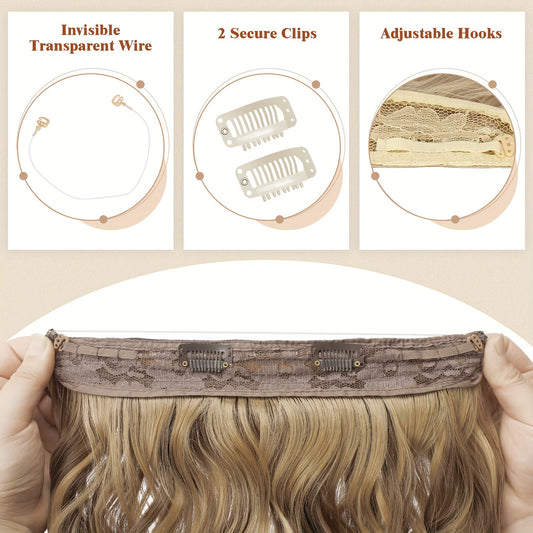
Dark Blonde 18/20 Inch Curly Wave Hair Extensions | Heat-Resistant Synthetic Fiber
Regular price From $110.23 USDRegular priceUnit price per$10.23 USDSale price From $110.23 USD -

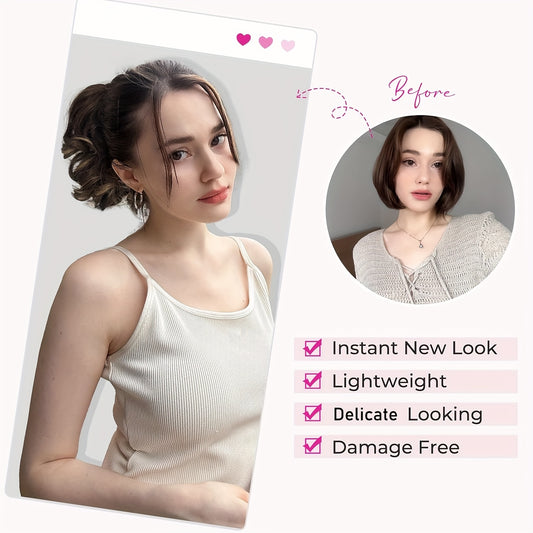
8 Inch Wavy Clip-In Ponytail | Jumbo Claw Clip Synthetic Hair Extensions for Women
Regular price $109.00 USDSale price $109.00 USDUnit price per -

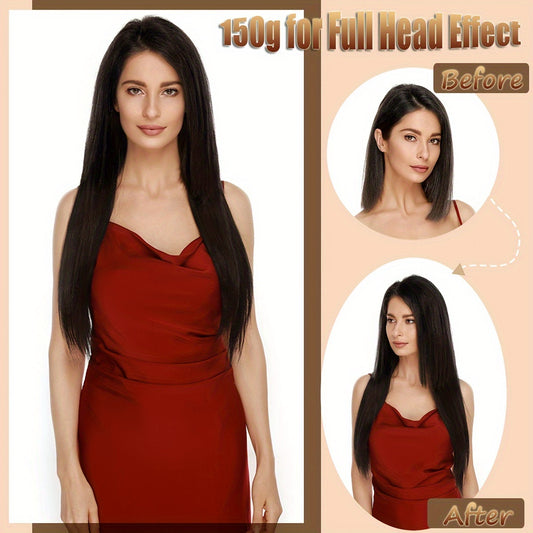
100% Human Hair Extensions - 50 Strands Nano Rings, Thick, Smooth, Remy Hair
Regular price $239.00 USDSale price $239.00 USDUnit price per -

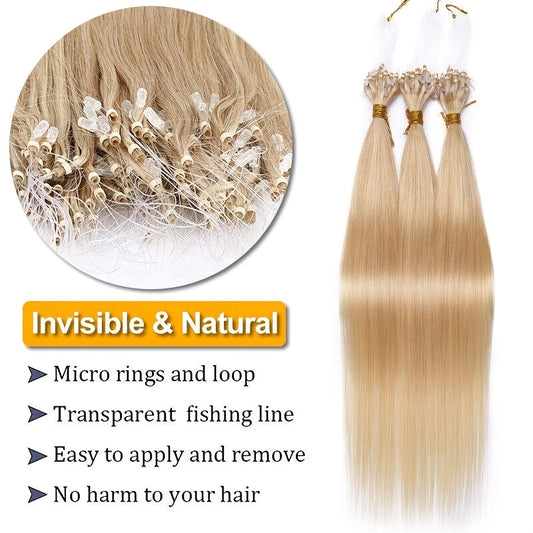
Remy Human Hair 100 Strands Invisible Micro Ring Hair Extensions
Regular price $249.00 USDSale price $249.00 USDUnit price per -

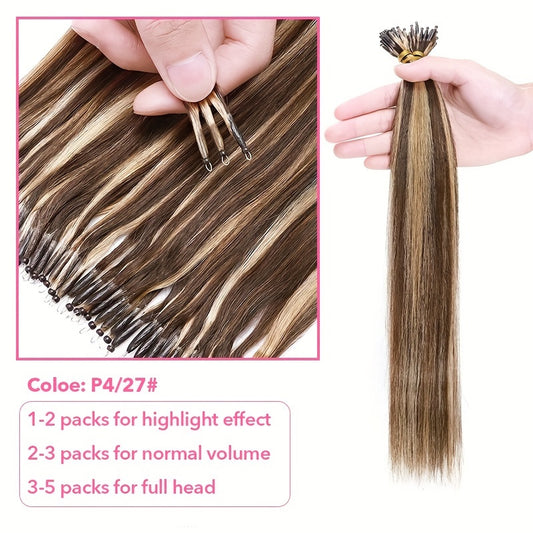
Nano Bead Hair Extensions Human Hair Highlight Brown Nano Ring Hair Extensions
Regular price $229.00 USDSale price $229.00 USDUnit price per -

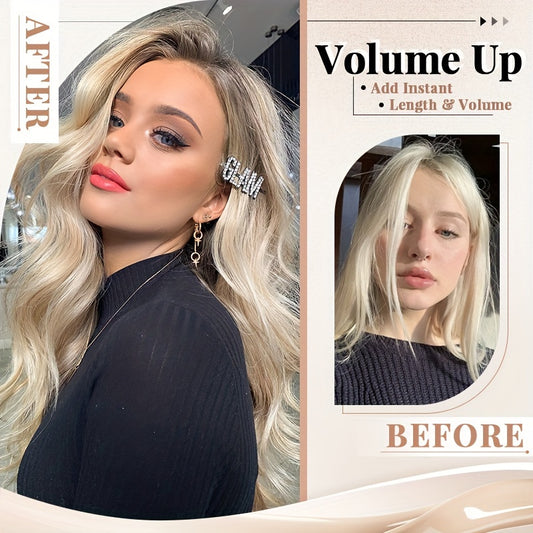
14-20 Inch V-Shaped Real Remy Clip in Human Hair Extensions
Regular price $229.00 USDSale price $229.00 USDUnit price per -
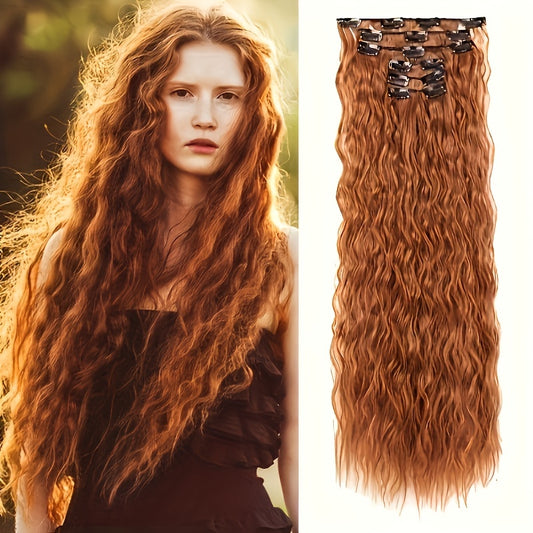
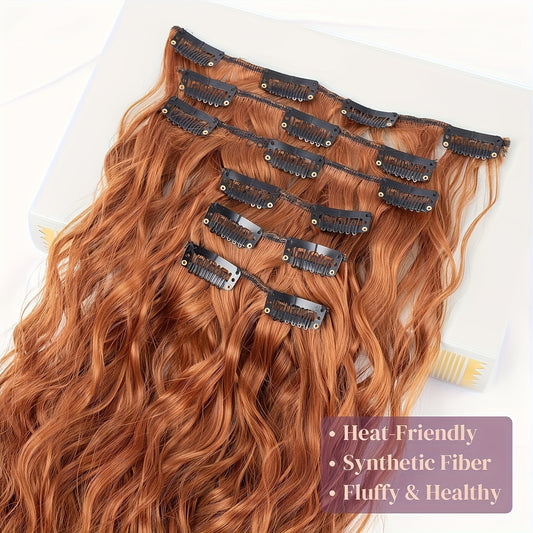
6pcs Synthetic Clip In 24 Inch Long Curly Wavy Hair Extensions
Regular price $110.00 USDSale price $110.00 USDUnit price per -

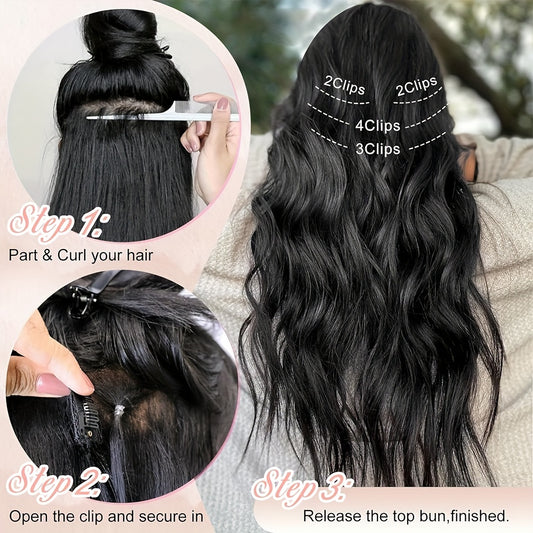
4pcs Thick Clip In Long Wavy Synthetic Hair Extensions
Regular price From $114.84 USDRegular priceUnit price per$14.84 USDSale price From $114.84 USD -

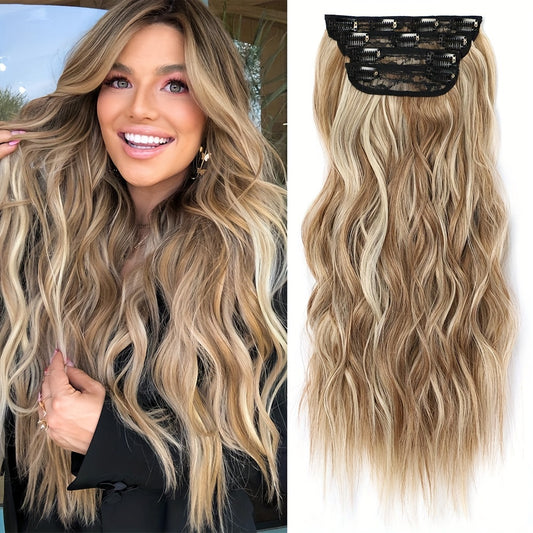
Clip in Long Wavy Synthetic Hair Extension
Regular price $109.62 USDRegular priceUnit price per$9.62 USDSale price $109.62 USD -

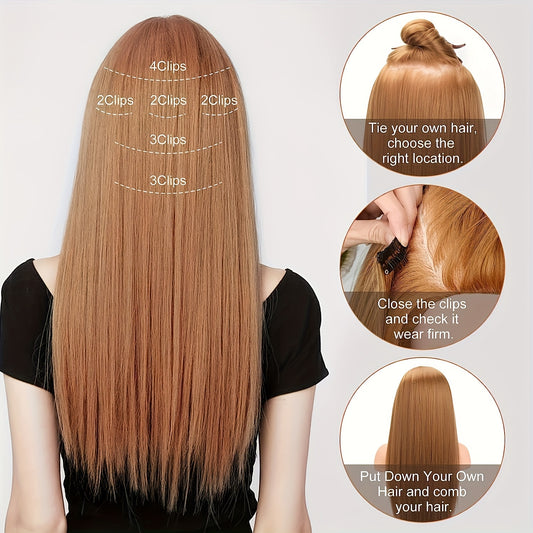
24-Inch Synthetic Hair Extensions - 6pcs, Balayage Pale Golden Honey Blonde, Soft Double Weft
Regular price $109.00 USDSale price $109.00 USDUnit price per -

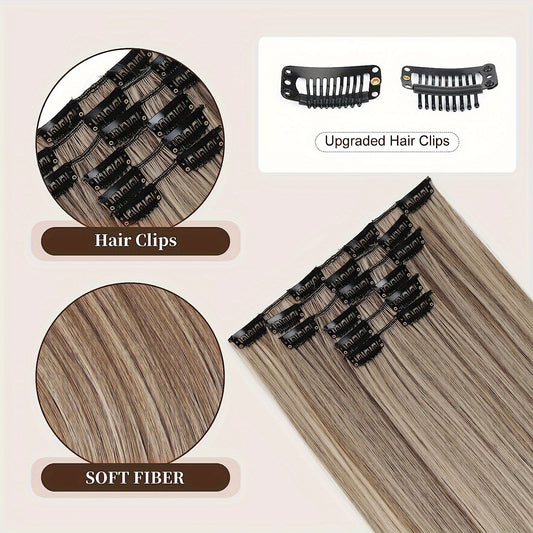
24 Inch Clip In Long Straight Synthetic Hair Extension | 6PCS Balayage Pale Golden Honey Thick Hairpieces
Regular price $109.99 USDSale price $109.99 USDUnit price per -

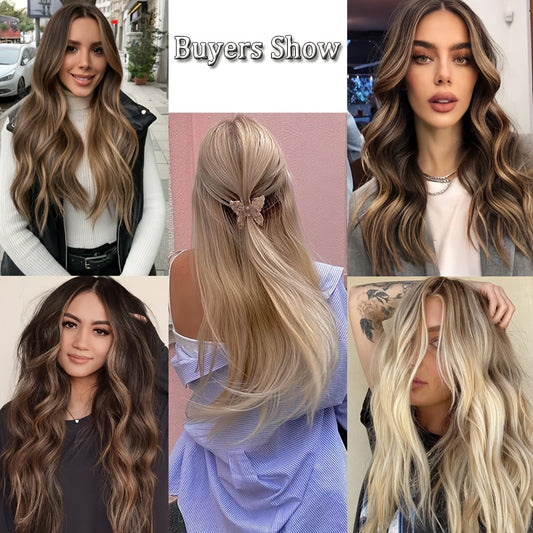
8pcs Luxe Remy Human Hair Extensions Set | 100% Real, Silky Straight
Regular price $279.00 USDSale price $279.00 USDUnit price per


Brown Hair Extensions Collection: Seamless Brunette Length, Volume, and Dimension
Brunette hair has a quiet power: it looks polished without trying and expensive without shouting. But brown is also the most nuanced shade family—undertone shifts, depth changes under lighting, and texture differences can make “close enough” extensions look obvious. This collection guide helps you choose the right method, match tone intelligently, blend texture convincingly, and care for extensions so they stay soft, wearable, and believable. Start with Fabulive’s brown hair extensions collection for natural-looking fullness and realistic brunette dimension, then use the long-form guide below to narrow to your best match based on your goal, lifestyle, and styling habits.
What Brown Hair Extensions Are and Who They’re For
Hair extensions are supplemental hair pieces designed to integrate with your natural hair to add length, density, and shape. Brown hair extensions specifically are designed to mimic brunette realism, which is less about a single flat shade and more about depth, undertone, and finish working together. A great brunette blend looks like one continuous head of hair in movement, in photos, and in real life—not like “your hair plus extra hair.”
Brown extensions are for anyone who wants a controlled upgrade without a permanent change. They’re especially useful for:
- People growing out a haircut who want longer styling options now.
- Fine or medium-density hair that needs thicker ends and more mid-length body.
- Brunettes who want subtle dimension without frequent chemical processing.
- Event-ready hair (photos, weddings, evenings out) that still reads natural up close.
- Shorter hair that struggles to hold the shape of waves, braids, and updos.
If your hair is currently short or in an awkward in-between stage, extensions can immediately expand what’s possible—without waiting months for growth. For a practical breakdown of why shorter lengths benefit so strongly, read reasons hair extensions can be transformative for short hair routines.
What “Natural” Means for Brunettes
Natural-looking brunette hair usually has micro-variation: slightly deeper roots, subtle tonal shifts through the mid-lengths, and ends that may be marginally lighter from sun exposure or styling. The most believable extensions echo that reality. Instead of chasing a perfect single shade, aim for harmony: your extension color should make sense alongside your hair in multiple lighting situations and styles. This is why undertone and finish matter as much as depth.
Why Brown Hair Extensions Matter Now
Modern beauty is leaning toward intentional realism: hair that looks healthy, dense, and styled—without looking overly engineered. Brown extensions deliver that shift perfectly. They enhance what you already have: fuller ends, better proportion, and more polished silhouettes, while remaining easy to wear day-to-day.
They also address current hair realities. Stress, postpartum shedding, over-processing, seasonal dryness, and heat styling can thin hair, especially at the ends. Extensions can restore shape while you rebuild your natural hair’s health—provided you choose a method that suits your scalp comfort, your maintenance tolerance, and your daily habits.
Finally, brunette trends have evolved. The conversation isn’t only “dark vs light,” but cool neutrals, mushroom browns, bronde blends, and dimensional finishes that look expensive in motion. Extensions can help you wear those looks with less commitment, letting you test a tone direction before making permanent color decisions.
How to Choose Brown Hair Extensions
Choosing well is mostly about choosing in the right order. Most extension disappointments come from skipping fundamentals: unclear goals, mismatched undertones, unrealistic density for your hair type, or a method that doesn’t fit your routine. Use the framework below to filter options quickly and confidently.
Decision Framework
Goal → Shade → Texture → Type → Coverage → Occasion → Care → Budget
Think of this as a funnel. If you start by picking a photo you like, you may end up with hair that’s beautiful in a box but doesn’t integrate into your real life. When you start with your goal and routine, the “right” choice becomes obvious—and the result becomes easy to wear.
Clarify Your Goal in One Sentence
Pick the single sentence that best describes what you want most:
- I want longer hair so I can wear styles I can’t do now.
- I want more volume through the mid-lengths so my hair looks denser.
- I want thicker ends so my hair looks healthier and more expensive.
- I want a fuller ponytail or bun that looks proportional and polished.
Your goal determines how much hair you need and where it should sit. Many people think they want length, but what they actually want is a stronger, thicker hemline—because that is what reads “healthy hair” most clearly.
Choose a Method Based on Lifestyle, Not Hype
The best method is the one you can maintain without frustration. If you want flexibility—wear on demand, remove at night, change coverage by occasion—clip-ins are often the most practical starting point. Explore brown clip-in hair extensions for quick length and volume without commitment if you want control and convenience. If you prefer a longer-wear result with a flatter lay that feels consistent day-to-day, compare brown tape-in hair extensions for a sleek, discreet everyday finish.
Also consider your wash frequency, workout routine, travel schedule, and sensitivity at the scalp. A method that looks perfect but feels uncomfortable won’t get worn—and unused hair is never a good investment.
Watch Undertone Before You Match Depth
Depth is how light or dark a brown appears. Undertone is the temperature that shows in sunlight and indoor lighting. Matching depth while ignoring undertone is the fastest way to end up with extensions that look “off.”
- Cool/ash: smoky, taupe-leaning, minimal gold reflect.
- Neutral: balanced brown without obvious gold or red.
- Warm: caramel, chestnut, honey, or soft copper reflect.
If you prefer cool, muted brunettes, explore ash brown hair extensions for cool-toned brunette blending and deepen your matching confidence with an ash brown extensions guide focused on subtle, cool-toned upgrades.
Choose Depth by Root Reality, Not End Fantasy
For the most seamless result, anchor your choice to your roots or the darkest area of your hair, not the lightest ends. Your top layer sets the visual story. If your roots are deep and your extensions are significantly lighter, the added hair can look detached from your scalp color—especially when hair moves or when it’s photographed.
If your natural hair is very deep brunette, start your browsing with dark brown hair extensions for rich brunette depth and realistic contrast control, then refine by undertone and finish.
When Medium Brown is the Most Forgiving Match
Medium brown tends to blend well for hair that shifts with lighting—darker indoors, warmer outdoors. It’s often the safest choice if you’re neither espresso-dark nor clearly light brown. If your hair sits in that natural “everyday brunette” range, explore medium brown hair extensions designed for natural, blended brunette wear and use a medium brown shade guide for realistic blending cues to fine-tune your choice.
Decide Coverage—Perimeter, Mid-Length, or Fullness All Over
Coverage is the map of where extensions will do the work. Natural results usually come from strategic placement—not maximum hair.
- Perimeter support: fills out ends to create a thicker hemline.
- Mid-length density: adds body so waves and curls look substantial.
- All-over fullness: builds a fuller silhouette for events and high-impact styling.
If you’re new to extensions, perimeter plus mid-length density is often the most believable starting point. You can always add more later, but removing an over-dense look is harder than building gradually.
Texture Match Is the Fastest Path to “Invisible” Extensions
Texture match matters because it determines how hair reflects light and moves. If your natural hair has any wave, straight extensions can look like a second haircut unless you heat-style daily. If your natural hair is straight, overly wavy extensions can look inconsistent at the top layer.
If you want polished, blowout-friendly hair, consider brown Brazilian Remy straight clip-ins for sleek, natural-looking integration as a clean foundation you can style into multiple shapes.
Volume Strategy for Clip-Ins That Still Looks Natural
Volume is about placement and distribution, not just quantity. Build density under your natural top layer so your own hair can veil attachment points. Place pieces where your hair looks sparse—often around the mid-lengths and ends—rather than stacking too much at the crown.
If volume is your primary goal, use clip-in volume techniques that focus on lift, spacing, and believable fullness to guide your placement and reduce the risk of a bulky, unnatural silhouette.
Shade, Undertone, and Finish
Brown shades behave differently under different lighting, which is why “looks right in my bathroom” can become “looks wrong outdoors.” To choose accurately, evaluate your hair in daylight and indoor lighting, then consider these three match anchors: root depth, dominant mid-length tone, and end brightness. After that, decide whether you want a single-tone match or subtle dimension.
Understanding Modern Brunette Language
Brunette trends have become more specific because people want expensive-looking neutrals that flatter skin tone and makeup. Mushroom brown, ash brown, and bronde are not just buzzwords; they describe undertone and reflect in a way that helps you choose. For a clear reference on why neutral-cool brunette tones look modern and wearable, review a mushroom brown trend guide focused on cool-neutral brunette tone.
Build Dimension the “Brunette Way” with Soft Contrast
Brunette dimension looks best when it’s subtle: slightly brighter ends, gentle tonal shifts, or a mixed-tone melt rather than stark highlights. If your ends naturally lighten or you like a softer “bronde” vibe, explore brown-blonde mix hair extensions for a natural bronde-style finish to create believable brightness without permanent color.
Choosing Contrast Level in Brown-to-Blonde Blends
Not all brown-to-blonde blends read the same. Some mimic natural sun lift; others create an editorial contrast. Choose your contrast level based on your wardrobe, makeup habits, and how bold you want your hair to look in photos. If you want a seasonal, wearable blend that stays soft and flattering, use a fall bronde reference for brown-and-blonde balance as a guide for what “soft contrast” looks like.
If you like the idea of mixed tones described with shade numbering, reference the 4/27 brown-and-blonde mix trend explanation for how blended contrast is typically placed to align your expectations before choosing a set.
For a soft tonal melt that mimics natural brightness toward the ends, consider chocolate brown to caramel blonde clip-in extensions for a believable gradient. If your goal is higher contrast for a bolder, content-ready look, explore camel brown x bleach blonde weft extensions for statement-level dimension.
Warm accents can also enrich brown hair. If you’re considering coppery reflect or red warmth, inspiration matters—especially to keep the result tasteful and proportional. See a red balayage on brown hair reference for bold warmth and high impact and compare with a complementary fiery red balayage guide for softer-to-bolder variations.
Finish: Matte vs Shine and Why It Affects Realism
Finish is the sheen level your hair reflects. The most believable extension match mirrors your natural sheen after your typical styling routine. If your hair is naturally matte, overly reflective hair can look separate. If your hair is glossy, overly matte extensions can look flat. The right finish looks consistent across daylight, indoor lighting, and camera flash.
Texture and Blending
Blending is an ecosystem: placement, texture alignment, and styling habits work together. Even the perfect color looks wrong if wave patterns fight each other. Even the perfect texture can look obvious if density is mismatched. Aim for continuity—your hair and the extensions should move and sit as one.
Placement Principles for a Seamless Blend
- Build from the bottom up so your natural hair can veil attachment points.
- Leave enough top hair out to cover seams when you move and turn.
- Avoid stacking too much at the crown; distribute volume where hair looks sparse.
- Match density to your natural thickness so the silhouette looks plausible.
If you naturally wear waves, you’ll typically get the most believable results with wave-forward pieces that already match the way your hair wants to move. Explore brown wave clip-in hair extensions designed for soft movement and quick blending when you want a style that hides transitions and showcases dimension.
For a wave texture that supports everyday wear and reduces the need for heavy heat styling, consider brown wavy hair extensions for natural movement and fuller-looking ends as a styling-friendly option that blends easily with layered haircuts.
Styling Ideas: Daily Wear and Event Looks
Extensions are most valuable when they integrate into real routines. The best styles are repeatable: looks you can recreate when you’re busy, traveling, or getting ready in a tight window. Below are daily and event ideas designed to flatter brunette tones and keep your blend believable.
Daily Styles That Look Effortless
- Soft brush-out waves: set gentle bends, brush lightly, and finish with minimal product for a natural brunette sheen.
- Low ponytail polish: keep the base sleek and the tail full for a clean silhouette that works for workdays and errands.
- Half-up lift: adds height and shape without exposing attachment points.
- Side-part blowout: emphasizes movement and gives brunettes that “glossed” look without needing extreme length.
- Low twisted bun: works especially well with added density, creating a fuller bun that looks intentional.
Accessories can elevate a look while also helping with coverage and styling variety. For practical, wearable inspiration that pairs well with added length and volume, reference bandana hairstyles that work beautifully with extensions and casual styling.
Event Looks That Photograph Beautifully
- Glam waves: consistent wave pattern from mid-length to ends for a red carpet finish.
- Textured low bun: romantic and fuller with added hair, especially for formal events.
- High ponytail glam: sleek at the crown, full through the tail for impact.
- Side-swept curls: highlights shine and makes layered blends look intentional.
- Half-up curls with face framing: keeps hair off your face while showing length and movement.
If you’re planning a formal look with medium-length hair, extensions can create the structure needed for polished styles that hold up in photos and long nights. Use prom hairstyle ideas for medium-length hair that translate well with extensions as a planning tool for shape, symmetry, and staying power.
For a clean menu of celebrity-inspired silhouettes you can adapt to your undertone and texture, see celebrity hairstyle references that pair naturally with added length and density. The goal is not to copy a person; it’s to borrow a shape—fuller ends, balanced volume, and face framing that flatters.
Care and Maintenance
Extensions look their best when cared for like luxury hair: gentle handling, moderate heat, and consistent detangling. Good care protects not only longevity, but also realism—because dryness, tangling, and buildup are what make hair look “separate” and less natural.
Daily Care Habits That Keep Hair Soft and Believable
- Detangle before and after wear using gentle strokes from ends upward.
- Keep heat moderate and intentional; repeated high heat can dry hair and dull tone.
- Use lightweight products; heavy oils can separate strands and reduce a cohesive finish.
- Store hair smooth and protected to prevent friction, tangling, and dryness.
Washing: How to Keep Hair Fresh Without Overwashing
Wash only when there’s noticeable product buildup or odor. Overwashing can dry hair and reduce softness. Use a gentle cleansing approach and focus conditioner on mid-lengths to ends, where dryness shows first. Let hair dry carefully—air dry when possible, then style lightly to reset shape. For brunettes, consistent care helps maintain the tone you chose, so the color doesn’t drift warmer or dull over time.
If you’re intentionally wearing deeper brunette tones, it helps to keep a clear reference of what “fresh deep brown” looks like so you can maintain finish and tone through consistent care. Use a guide to the darkest brown shade family for rich brunette tone expectations as a visual language reference for depth and sophistication.
For internal guidance and policy support, add your own resources here: internal link placeholder: care guide by extension type and internal link placeholder: returns and wear-and-care policy.
Category Comparisons
This section is designed to make comparison shopping fast and honest. Use it to decide which category best matches your routine, your styling goals, and your tolerance for maintenance.
Clip-Ins vs Tape-Ins
Clip-ins are ideal for occasional wear and flexible styling. They’re removable, easy to tailor by coverage, and perfect for events or weekends. Tape-ins tend to suit people who want a consistent daily result with a flatter lay. Your choice should be driven by how often you’ll wear extensions and whether you want the freedom to remove them as needed.
Micro-Rings vs Broader Coverage Methods
Micro-ring approaches can offer controlled, targeted integration where you want support. They may appeal if you want specific areas fuller rather than a full coverage transformation. If you prefer a category designed for targeted placement, review brown micro-ring hair extensions for precise integration and controlled density and align the method with your maintenance comfort level.
Straight vs Wavy
Straight hair can look clean and polished, but may require more daily styling if your natural hair has bend. Wavy hair is often more forgiving for brunettes because it disguises transitions and showcases dimension in motion. Choose what matches your most repeated look, not the style you wear once a year.
A Quick “Decision Table” You Can Use at Checkout
- If you want flexibility and occasional wear: choose clip-ins and tailor coverage by occasion.
- If you want consistent daily fullness: choose a longer-wear method that lays flat and feels stable.
- If you wear waves most days: prioritize wave texture to reduce heat dependence.
- If your hair is fine: prioritize believable density over maximum volume.
- If you want dimension without dye: choose mixed tones that mimic natural lift.
Featured Picks
Featured picks are organized by real use case—so you can choose based on your goal rather than guessing what’s “best.” Match your pick to your life: workdays, weekends, events, and the styles you repeat.
Dimensional Brunette Waves
If you want movement plus built-in brunette dimension, choose a highlighted wave that looks natural in motion. Consider highlighted wavy clip-ins for an expensive-looking brunette dimension boost when you want soft contrast that reads like a fresh salon appointment.
Natural, Everyday Medium Brown Blending
Medium brown is often the most wearable for everyday styling because it sits in the natural brunette range and blends well across lighting. If you’re building a “go-to” extension wardrobe, medium brown can be the shade you return to repeatedly because it’s forgiving and versatile.
Cool-Toned Neutral Brunette Direction
If you prefer a cooler, muted brunette finish, ash-leaning tones can look modern and refined. This direction often pairs well with minimal makeup, cooler wardrobes, and a more editorial neutral aesthetic.
Buying Mistakes
Most extension mistakes are preventable. They rarely happen because the hair is “bad.” They happen because the selection logic doesn’t match the wearer’s hair type, lifestyle, or expectations. Avoid the pitfalls below to keep your result cohesive and realistic.
Mistake: Matching Only in One Lighting Condition
Brown shades shift under warm indoor bulbs, daylight, and flash photography. Evaluate shade in at least two lighting environments before committing to a tonal direction. If hair looks too warm outdoors, you may need a cooler, ash-leaning option. If it looks too gray indoors, you may need more neutral or warm balance.
Mistake: Buying Too Much Hair Too Fast
More hair can be less realistic, especially for fine hair. A very dense set may create a visible “line” where your hair meets the extensions. Build gradually: start with ends and mid-length density, then expand if you truly need more volume.
Mistake: Ignoring Texture and Trying to Heat-Style Away the Problem
Texture mismatch forces daily heat styling, which increases dryness and makes the blend less reliable. Choose the texture you naturally have—or the texture you’re willing to maintain consistently—so the hair works with you rather than against you.
Mistake: Overusing Heavy Products to “Make It Shine”
Too much oil and heavy silicone can cause separation and make added hair look distinct from your natural hair. Use lightweight products strategically, focusing on ends, and prioritize shade and texture harmony instead of relying on product to “fix” mismatch.
Mistake: Buying Without a Plan for How You’ll Wear It
Before you buy, know your signature style and your signature schedule. If you want a weekly boost, choose flexible options. If you want daily consistency, choose a method you can maintain. If you want dimension, decide whether you prefer soft contrast or bolder contrast in photos.
- Will I wear this weekly, monthly, or only for special occasions?
- Do I wear my hair mostly straight, mostly wavy, or alternating?
- Do I want subtle dimension or noticeable contrast?
- How much daily styling effort am I realistically willing to do?
FAQ
Do brown hair extensions need to match perfectly?
No. Natural brunette hair usually includes micro-variation, so a harmonious match is often more realistic than a single flat “perfect” shade. Aim to match your root depth and undertone, then blend through texture and placement.
How do I know whether I’m warm brown or ash brown?
Warm browns show golden or caramel reflect in sunlight, while ash browns look smoky or taupe with minimal gold. If you dislike brassiness and prefer cooler tones, ash or neutral-cool shades often feel more natural.
What’s the most beginner-friendly extension type?
Clip-ins are commonly the easiest starting point because they’re removable, flexible, and allow you to experiment with coverage. They also suit people who want volume or length only on certain days.
Can extensions damage my natural hair?
Any extension method can cause stress if installed incorrectly, worn with too much tension, or maintained poorly. Choosing a method that suits your routine, keeping detangling gentle, and avoiding excessive heat reduces risk significantly.
Will brown extensions blend if my hair is layered?
Yes. Layers often blend well when you build density underneath and lightly style to merge ends. Waves are especially effective at blurring length differences and making the silhouette look cohesive.
How often should I wash extensions?
Wash only when you notice buildup, dullness, or odor. Overwashing can dry hair and reduce softness. Gentle cleansing and careful drying help keep the hair looking realistic and wearable.
How can I make a ponytail look thicker without a full set?
A ponytail-specific extension is designed to add fullness and length quickly without installing multiple pieces. It’s ideal for busy routines and for creating a polished look that holds its shape.
Are brown-and-blonde mixes suitable for everyday wear?
Yes, especially when the blend mimics natural sun lift toward the ends. Mixed tones can look more realistic than a flat single shade because they reflect how real brunette hair often behaves over time.
What length looks the most natural?
Natural results are about proportion. Choose a length that suits your height and current haircut, and prioritize thickness through the ends so the hair looks healthy rather than stretched thin.
How do I keep brunette extensions from looking too shiny?
Match finish to your natural hair’s sheen and avoid heavy oils. Use lightweight smoothing products sparingly on ends only, and keep heat moderate to preserve softness and realistic reflect.
Related Collections
Use this module to reinforce your internal linking and help shoppers move through the brunette silo by depth, undertone, method, and texture. Keep these as internal links within your site architecture so users can explore adjacent categories without repeating the one-time external URL placements above.
- internal link placeholder: dark brown collection
- internal link placeholder: medium brown collection
- internal link placeholder: ash brown collection
- internal link placeholder: brown-blonde mix collection
- internal link placeholder: brown clip-ins collection
- internal link placeholder: brown tape-ins collection
- internal link placeholder: brown wave clip-ins collection
- internal link placeholder: brown micro-ring extensions collection
Conclusion
The most convincing brown hair extensions are chosen with strategy, not guesswork. Start with a clear goal, match undertone before depth, and treat texture continuity as non-negotiable. Then pick a method you can maintain comfortably, because consistency is what makes extensions look like they belong to you. When your shade logic, texture match, and placement plan align, the result is not just longer hair—it’s easier styling, stronger silhouettes, and a more polished version of your everyday look.
If you want help building your shopping pathway, add your own internal support links here: internal link placeholder: shade matching assistance and internal link placeholder: length and weight guide.