



Why Is My Hairline Breaking Off? Causes And Solutions
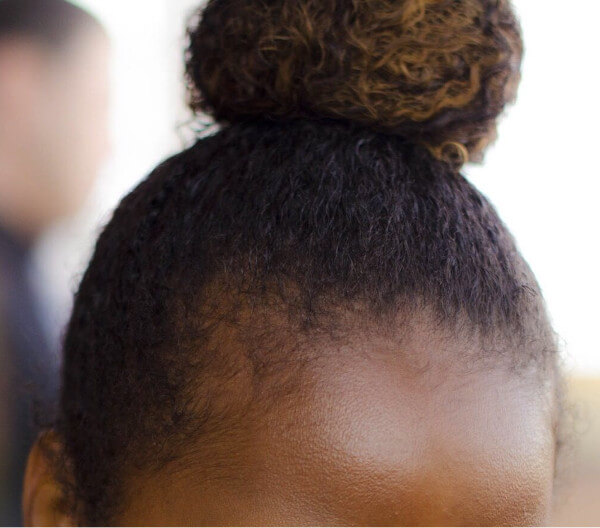

Hairline breakage rarely happens overnight. It develops gradually, often as the result of repeated tension, friction, or everyday styling habits that quietly stress the most delicate hair around the face. For women who wear hair extensions, the hairline is especially vulnerable because it carries less density and absorbs more mechanical strain than the rest of the scalp. This guide explains exactly why hairline breakage happens, how extensions contribute to it, and what actually works to stop it before the damage becomes long-term or permanent.
Why The Hairline Breaks More Easily Than Other Areas
The hairline is biologically different from the rest of the scalp. The strands are finer, the growth cycles are shorter, and there is less natural protection compared to the crown or mid-lengths. This area also experiences constant movement and friction from facial expressions, makeup removal, sunglasses, scarves, and sleep habits. When extensions are added, even subtle tension can accumulate quickly.
Breakage does not occur because extensions are harmful by default. It happens when repeated stress is placed on hair that is not designed to tolerate sustained pressure. Small placement errors, daily manipulation, or continuous wear without rest are enough to weaken the hairline over time.
Cause #1: Excessive Tension From Extensions
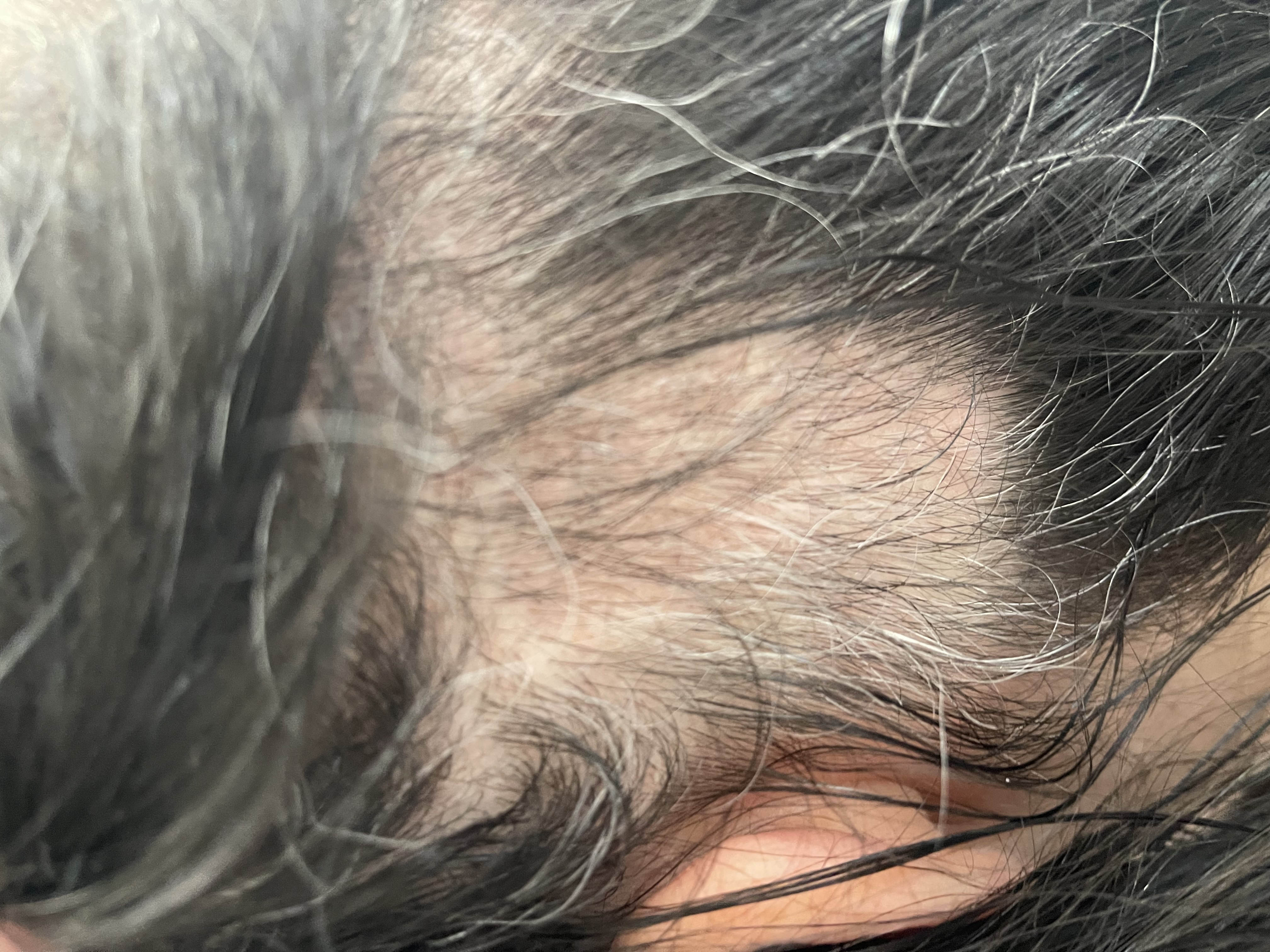

Excessive tension is the most common cause of hairline breakage in women who wear extensions. When extensions are installed too close to the temples or front hairline, fragile strands are forced to carry weight they cannot support. The tension may feel mild at first, but repeated pulling weakens the hair shaft and leads to snapping, thinning, or visible gaps along the edges.
Choosing lightweight, well-balanced options from a curated Hair Extensions Collection reduces strain and allows the hairline to move naturally instead of being anchored under pressure. Medical guidance from the Mayo Clinic confirms that chronic pulling and tension can disrupt normal hair growth cycles and increase the risk of traction-related hair loss, especially around the hairline.
Cause #2: Incorrect Placement Around The Temples
Hairline breakage frequently starts at the temples because this area is overworked and structurally delicate. Extensions placed without allowing for natural movement create constant pressure during brushing, facial movement, or styling. When placement ignores the natural fall of the hair, friction increases and stress concentrates in one area.
Strategic spacing and keeping extensions slightly behind the front hairline preserves comfort and protects long-term density. Proper placement should support the hair, not restrain it.
Cause #3: Repeated Styling And Edge Manipulation
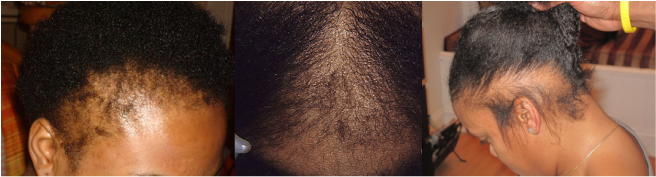

Daily smoothing, brushing, or styling of the hairline weakens strands that are already fragile. Tight ponytails, slicked edges, repeated blow-drying, and frequent heat exposure compound the problem. Even habits that feel gentle can become damaging when repeated every day.
Hairline hair responds best to minimal handling, low-tension styles, and occasional rest from heat and traction. Rotating styles and allowing the hairline to remain loose significantly reduces cumulative damage.
Cause #4: Friction During Sleep And Daily Wear
Friction is one of the most underestimated contributors to hairline breakage. Cotton pillowcases, rough scarves, helmets, and high-collar clothing create repeated rubbing at night and throughout the day. Over time, this constant abrasion weakens the hair shaft and leads to breakage along the edges.
Protective nighttime habits make a measurable difference. Loose braiding, gentle wrapping, and smooth sleep surfaces reduce mechanical stress and help preserve fragile hairline strands.
Cause #5: Scalp Irritation And Product Buildup

When the scalp becomes irritated, the hairline is often the first area affected. Sweat, product residue, or improper cleansing can lead to itching and inflammation. Scratching or frequent rubbing weakens hair at the roots and accelerates breakage.
Maintaining a clean, calm scalp supports healthy growth at the hairline. Gentle cleansing, avoiding heavy buildup, and supporting hair moisture through practices such as crafting homemade hair masks for luxurious locks can improve resilience without adding tension.
What Actually Works And What Doesn’t
What works includes choosing lightweight extensions, keeping placement away from the very front hairline, reducing daily tension, protecting hair during sleep, and responding immediately to discomfort. Low-tension styles, balanced weight distribution, and listening to early warning signs preserve hairline health.
What doesn’t work includes ignoring tightness, aggressively styling the edges, wearing extensions continuously without breaks, or assuming damage will correct itself. Hairline recovery depends on prevention becoming part of daily habits, not a reaction to visible thinning.
Common Misconceptions About Hairline Breakage
Hairline breakage is not always genetic, and it is not inevitable when wearing extensions. Most cases are preventable with correct placement, realistic styling expectations, and proper maintenance. Damage does not mean extensions must be avoided entirely; it means they must be chosen and worn thoughtfully.
Occasional styling accessories can still be enjoyed when used sparingly and without tension, as seen in seasonal inspiration like Christmas hair accessories festive fun styles for the holidays, where enhancement does not rely on constant pulling or pressure.
Final Takeaway: Protect The Hairline Before Repair Is Needed
Hairline breakage is one of the clearest signals that something in your routine needs adjustment. When addressed early, it is often reversible. The key is respecting how delicate the hairline is and adjusting extension weight, placement, and daily habits accordingly.
When extensions are selected carefully and worn with intention, they can enhance your look without compromising hairline health. Choosing balanced, lightweight options from the Hair Extensions Collection and prioritizing comfort over styling pressure allows your hairline to remain strong, full, and resilient over time. For women seeking flexibility without long-term tension, options such as clip hair extensions the quickest way to transform your look offer controlled wear with minimal stress on the edges.
Frequently Asked Questions
Can hair extensions permanently damage the hairline?
Hair extensions do not permanently damage the hairline when they are lightweight, correctly placed, and worn without constant tension. Damage usually occurs when extensions are installed too close to the hairline, worn too tightly, or combined with aggressive styling habits over long periods.
Which type of hair extensions are safest for a fragile hairline?
Extensions that distribute weight evenly and allow natural movement are safest. Lightweight options that avoid direct pressure on the temples help protect delicate edges.
How do I know if my extensions are stressing my hairline?
Early signs include tightness, soreness, itching, or small broken hairs along the edges. Discomfort is a signal to adjust placement or reduce weight immediately.
Can hairline breakage grow back after removing extensions?
In many cases, yes. Breakage caused by tension or friction often improves once stress is removed and low-tension habits are adopted. Regrowth requires patience and consistent care.
Should I avoid styling my hairline completely when wearing extensions?
Styling does not need to be eliminated, but frequent heat, slick styles, or daily manipulation should be limited. Gentle handling and regular rest days help maintain long-term hairline strength.


