



Why Hair Extensions Have Become A Fashion Staple


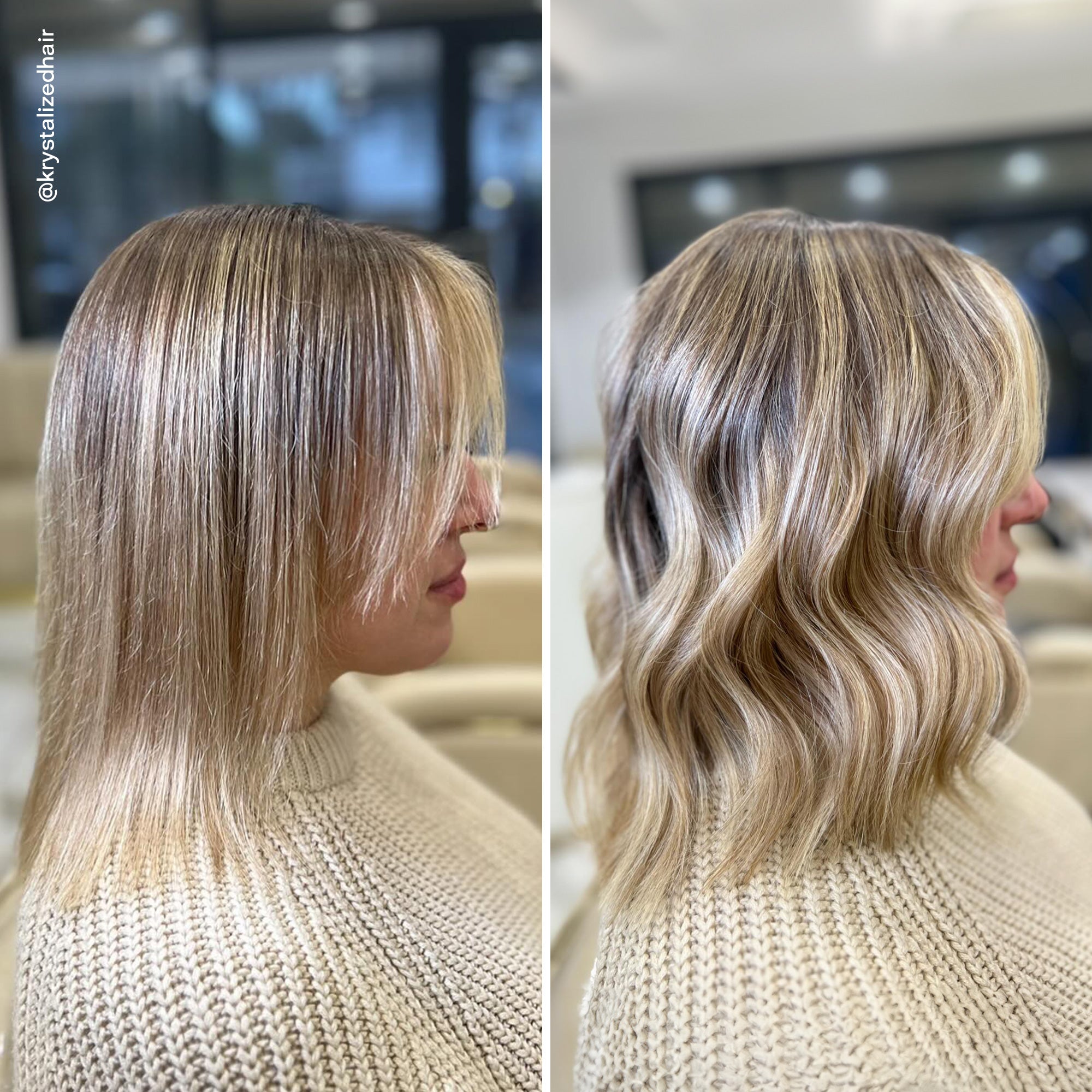
Hair extensions were once associated with special occasions, celebrity styling, or dramatic transformations reserved for red carpets. Today, they occupy a very different place in fashion. Extensions are no longer accessories used sparingly; they have become functional, expressive, and normalized parts of everyday personal style. From street fashion to professional settings, from minimalist wardrobes to bold self-expression, hair extensions now operate the way handbags, shoes, or makeup do—as tools of identity rather than exceptions.
This CORE ASSET explains why hair extensions transitioned from niche beauty enhancement to a fashion staple, what conditions made that shift permanent, how to decide when and how they belong in modern style, and what separates intentional fashion use from outdated overstatement. This is not trend commentary. It is a final-answer guide to understanding the role hair extensions now play in contemporary fashion.
Context: How Hair Extensions Moved From Occasion To Everyday
The evolution of hair extensions mirrors broader changes in fashion itself. Modern fashion values adaptability, personalization, and control. Rigid beauty rules have softened, replaced by styling that can shift with mood, season, and role. Hair extensions fit seamlessly into this environment because they allow women to adjust length, density, and texture without permanent commitment.
Social media accelerated this shift by normalizing visible beauty processes. Styling tools that were once hidden became openly discussed, removing stigma. At the same time, improvements in quality, attachment methods, and blending techniques eliminated the obvious signs that once labeled extensions as artificial. Extensions no longer signal excess; they signal intention. This shift is structural, not cyclical, reflecting how modern women approach style as modular and flexible.
What To Choose And Why
Understanding why hair extensions became a staple requires understanding how women now make fashion decisions.
Choosing Control Over Permanence
Modern fashion prioritizes reversibility. Extensions allow experimentation without altering natural hair permanently. Instead of committing to cuts or color changes that require long recovery periods, women can adapt their look temporarily. This aligns with a wider shift toward low-risk, high-control beauty choices, making extensions practical rather than indulgent.
Choosing Versatility Over Uniformity
Fashion today favors adaptability over a single signature look. Extensions allow one haircut to support multiple aesthetics—sleek for work, layered for casual wear, longer for events. This flexibility explains why extensions are treated like wardrobe tools. Exploring a curated hair extensions collection demonstrates how variety in length, texture, and density supports evolving fashion identities without redundancy.
Choosing Practicality In Daily Styling
As styling routines become more efficient, extensions offer immediate structure. Instead of relying on daily heat styling to achieve volume or length, extensions provide consistency with minimal effort. Fashion staples are defined by utility as much as aesthetics, and this practicality anchors extensions firmly in everyday style.
What Works Vs What Doesn’t


Not every use of extensions reflects modern fashion sensibility.
What Works
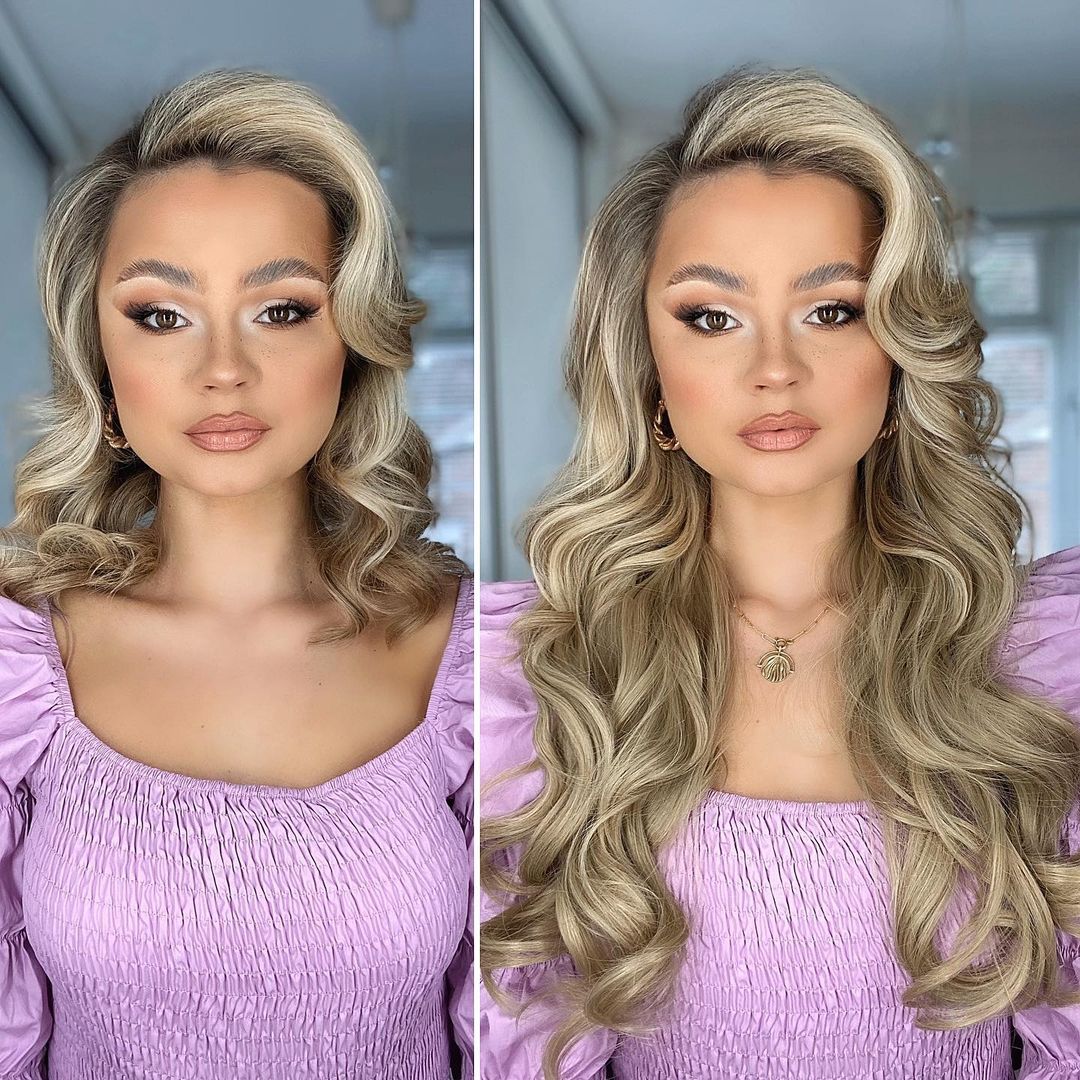
What works is subtle integration. Extensions that blend seamlessly enhance outfits rather than dominate them. Lengths that respect body proportions and clothing silhouettes feel intentional. Neutral tones and natural textures transition easily across wardrobes. Layered application creates movement without bulk. Extensions used this way function like fashion fundamentals, supporting the overall look without demanding attention. This approach aligns naturally with broader styling frameworks explored in the ultimate guide to jaw-dropping fashion makeup and hairstyles, where balance defines modern polish.
What Doesn’t
What no longer works are exaggerated applications that overwhelm personal style. Excessive density, visible attachment points, or mismatched textures signal outdated beauty logic. Fashion staples integrate quietly; they do not announce themselves. Extensions that require constant adjustment or draw focus away from the wearer undermine their purpose.
Extensions As Part Of Personal Identity
Hair has always been tied to identity, but extensions expand that conversation. They allow women to present different facets of themselves without contradiction. One look does not replace another; it coexists. This reflects modern fashion psychology, where identity is fluid rather than fixed. Extensions support this by offering adaptability without sacrificing authenticity. When used intentionally, they express identity rather than mask it.
Fashion, Media, And Normalization

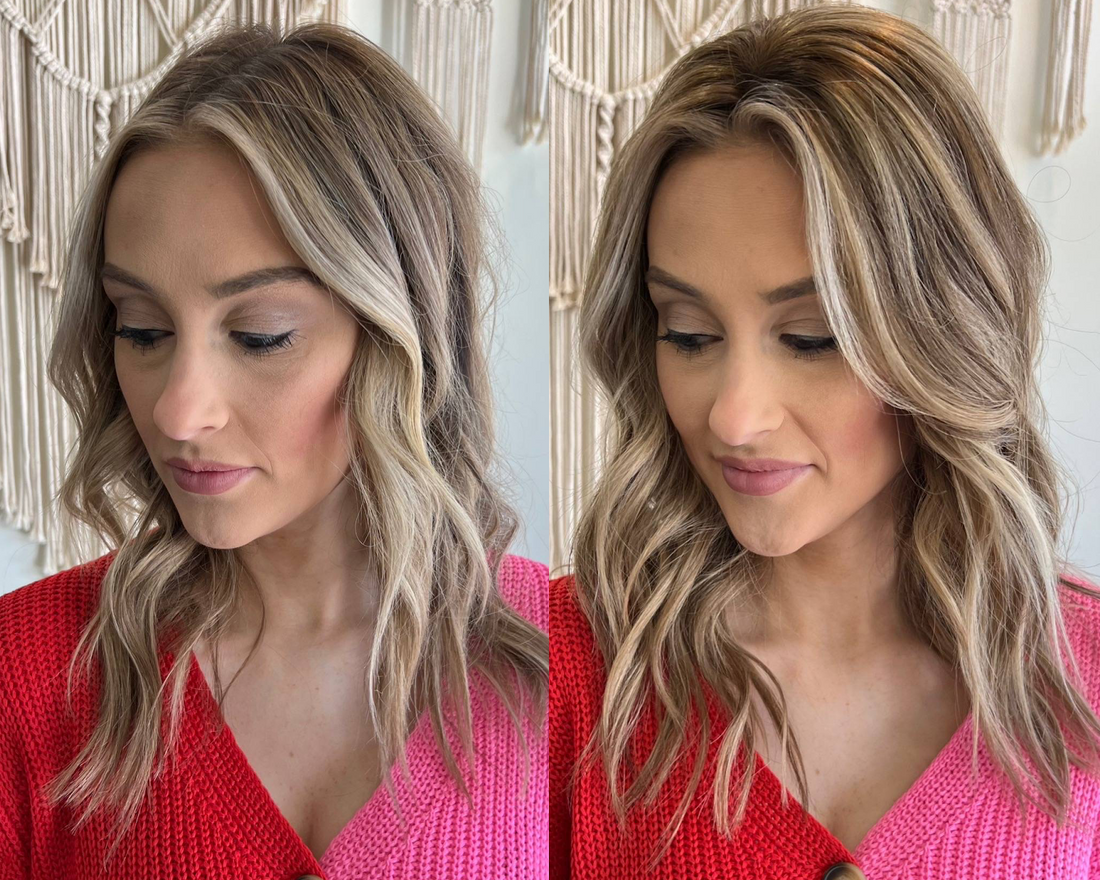

Media played a decisive role in mainstreaming hair extensions. As fashion coverage shifted from exclusivity to accessibility, beauty processes became visible and instructional. Editorial content now treats extensions as standard tools rather than secrets. Industry analysis from Vogue Business highlights how beauty normalization brought backstage techniques directly into consumer fashion culture, accelerating acceptance. When fashion authorities frame extensions as routine practice, they become part of the shared style vocabulary.
Common Mistakes That Undermine Fashion Relevance
One common mistake is assuming more hair equals better style. Fashion staples rely on proportion. Excessive length or density disrupts balance and overwhelms silhouettes. Another mistake is treating extensions as event-only accessories, which limits their versatility. Poor maintenance also undermines credibility; staples must look effortless. Learning longevity and care principles, such as those outlined in the ultimate guide to reusing hair extensions, preserves their relevance as enduring fashion tools rather than short-term fixes.
When Hair Extensions Truly Belong In Fashion
Extensions belong in fashion when they enhance adaptability. They work best for women who view style as modular, supporting wardrobe shifts, seasonal changes, and lifestyle demands. They are particularly valuable in environments that require polish without permanence. Extensions stop functioning as staples when they chase trends instead of reinforcing personal style. Scalp comfort and hair health also determine long-term viability, making education such as the ultimate guide to scalp health for optimal hair growth integral to sustained, fashionable use.
Final Takeaway
Hair extensions became a fashion staple because fashion itself evolved. Modern style values flexibility, control, and expression over permanence. Extensions align with these values by offering adaptable beauty without long-term commitment. When chosen thoughtfully and integrated subtly, they function like any wardrobe essential—reliable, expressive, and intentional. Their place in fashion is no longer debatable; only the quality of their use is.
Frequently Asked Questions
Why are hair extensions no longer considered fake?
Improved quality, blending techniques, and visibility normalized their use as styling tools rather than disguises.
Can hair extensions work for minimalist fashion styles?
Yes. Subtle application supports clean silhouettes and understated polish.
Are extensions only for long hair trends?
No. They enhance layering, density, and texture across many lengths and styles.
Do fashion staples change over time?
Yes, but extensions align with enduring fashion values like versatility and control.
How do extensions fit into everyday wear?
They provide structure and consistency with minimal daily styling effort.
Is it possible to overuse hair extensions?
Yes. Excess undermines proportion and balance, which are central to modern fashion.


