



The Renaissance Of Damaged Hair: How Modern Care Is Rewriting Hair Recovery
Hair damage was once treated as an irreversible outcome—cut it off, hide it, or live with it. Today, that narrative has shifted dramatically. We are living in a renaissance of damaged hair, where science, technique, and mindful routines allow hair to recover, strengthen, and thrive again. This transformation is not rooted in miracle products alone but in a deeper understanding of how hair behaves under stress, how damage accumulates, and how recovery must be intentional rather than reactive.
Modern hair care no longer focuses solely on appearance. It centers on longevity, resilience, and structural support. Whether damage stems from heat styling, chemical treatments, friction, or environmental exposure, recovery is now achievable through informed choices, smarter routines, and lighter styling alternatives that protect regrowth instead of compromising it.
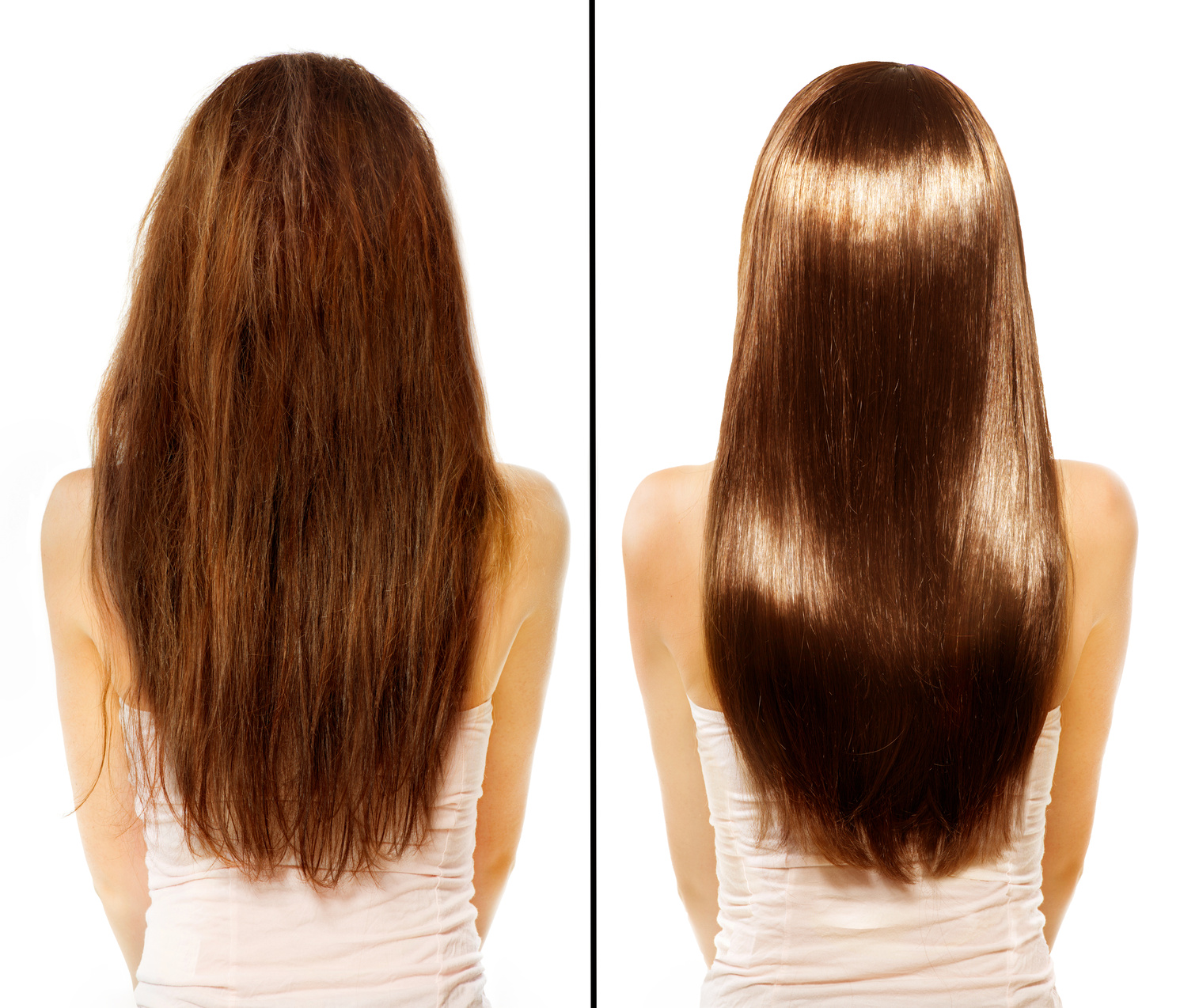
Understanding What Hair Damage Really Is Beneath The Surface
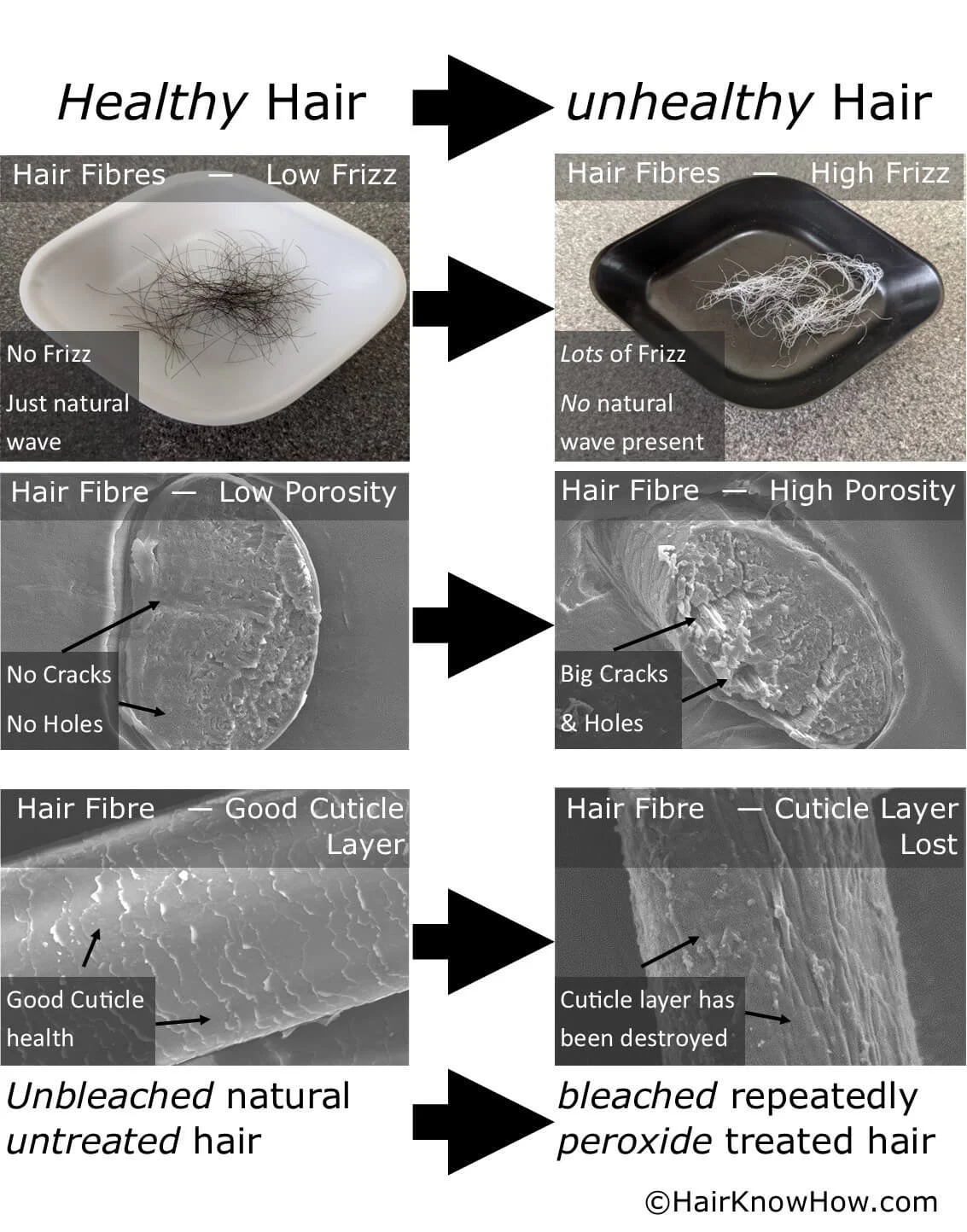
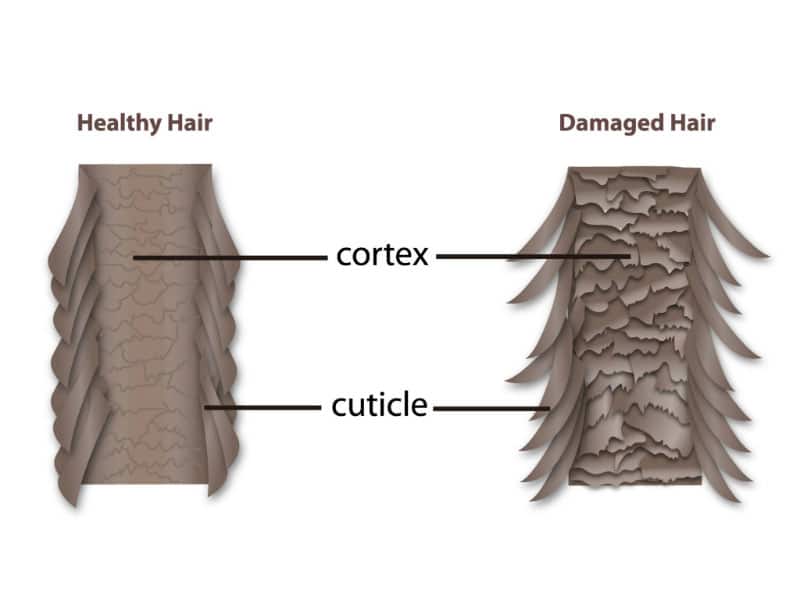
Hair damage is not simply dryness or frizz—it is structural. Each strand of hair is composed of three layers: the cuticle, the cortex, and the medulla. Damage usually begins at the cuticle level. Heat tools, harsh brushing, chemical processing, and UV exposure lift or erode this protective layer, exposing the cortex underneath.
Once the cortex is compromised, hair loses elasticity, becomes prone to snapping, and struggles to retain moisture. This is why damaged hair often feels rough, looks dull, and tangles easily. Hair does not heal itself; what we call “repair” is the act of reinforcing weak points and preventing further breakdown. The renaissance of modern hair care accepts this reality and works with hair’s biology instead of chasing unrealistic repair myths.
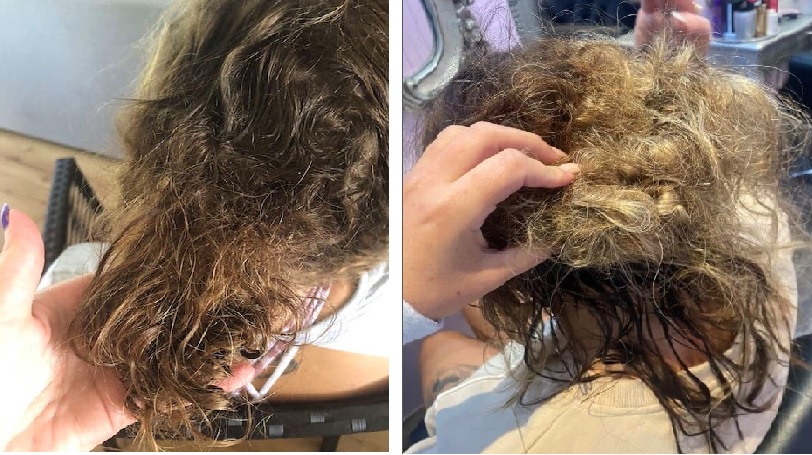
The Silent Accumulators Of Damage You May Be Overlooking
Many people associate damage with bleach or excessive heat, but the most destructive stressors are subtle and repetitive. Daily friction from pillowcases, scarves, and collars slowly wears down the cuticle. Tight hairstyles create micro-tension at the roots, leading to gradual breakage. Even aggressive towel-drying can fracture strands when hair is at its most fragile.
Oxidative stress is another overlooked factor. Pollution, sun exposure, and free radicals weaken hair proteins gradually, leading to thinning and loss of density over time. This kind of damage often goes unnoticed until it becomes advanced. Learning how everyday habits contribute to breakage is why many readers turn to education-focused resources like untangling the benefits of regular hair brushing, which explains how technique matters as much as tools.
A Practical Damage Severity Scale To Identify Your Hair’s Needs
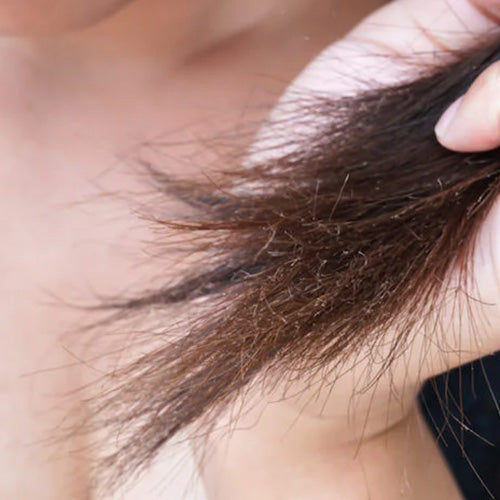

Not all damaged hair requires the same response. Understanding severity prevents over-treatment.
Level 1: Surface Dryness
Hair feels rough but remains elastic. Cuticle disruption is mild and reversible with hydration and gentle handling.
Level 2: Compromised Elasticity
Hair stretches excessively when wet or snaps easily. Protein-moisture imbalance is present.
Level 3: Structural Breakage
Visible split ends, uneven density, and thinning sections indicate cortex damage.
Level 4: Chronic Stress Damage
Breakage near the roots, shedding linked to tension, and difficulty retaining length signal that styling habits must change immediately.
Each level demands a different strategy. Treating all damage the same often worsens the condition.
The Role Of Modern Hair Extensions In Damage Recovery
Outdated advice warns against extensions during recovery, but modern techniques have rewritten that rule. Lightweight, well-balanced extensions can reduce damage by minimizing daily heat styling and protecting fragile ends during regrowth phases.
Instead of relying on heavy wefts or constant manipulation, many women use strategically placed extensions to maintain fullness while allowing natural hair to rest. Thoughtfully designed solutions from Fabulive emphasize even weight distribution and reduced tension, making them suitable even during recovery periods. When extensions reduce daily styling stress, they act as a protective tool rather than a risk factor.
The Protein And Moisture Balance That Changes Everything
One of the most misunderstood elements of hair recovery is protein. Protein reinforces structure, but excess leads to brittleness. Moisture restores flexibility, but too much weakens the hair shaft.
Damaged hair needs balance. Signs of protein overload include stiffness and snapping, while moisture overload appears as limp, gummy strands. Sustainable routines alternate between strengthening and hydrating phases. Many recovery plans borrow principles from 30 best hair masks for dry damaged hair, emphasizing rotation rather than repetition.
A Step-By-Step Weekly Recovery Routine That Works
Consistency matters more than intensity.
Day 1: Gentle cleanse with a sulfate-free shampoo
Day 2: Repair mask focused on mid-lengths and ends
Day 3–4: Low-manipulation styling; air-dry when possible
Day 5: Scalp refresh with light massage
Day 6–7: Rest phase—no heat, no tension, protective styles for sleep
This rhythm supports recovery without overwhelming the hair.
Why Brushing Technique Matters More Than Products
Brushing damaged hair incorrectly can undo weeks of progress. Detangling from the ends upward with wide-tooth tools reduces breakage dramatically. Brushing soaking-wet hair without slip is one of the fastest ways to cause snapping. Replacing aggressive habits with intentional detangling is one of the most transformative recovery steps.
External Science That Supports Modern Recovery Practices

Clinical dermatology guidance from the American Academy of Dermatology confirms that minimizing mechanical stress, reducing heat exposure, and adopting protective styling are the most effective first-line strategies for preventing and reversing hair damage. This medical consensus reinforces why modern recovery focuses on habit correction and structural protection rather than aggressive cosmetic fixes.
Heat Styling Reimagined: Less Is More
Modern recovery does not require eliminating heat entirely—it requires respecting thresholds. Controlled, infrequent heat paired with protectants causes far less damage than daily exposure. One well-executed style maintained for several days is healthier than constant restyling.
Nighttime Habits That Accelerate Or Destroy Progress
Sleep routines directly influence recovery. Cotton pillowcases increase friction, while silk or satin reduce moisture loss. Loose protective styles prevent tangling without stressing follicles. These small adjustments compound over time.
How Lifestyle And Nutrition Influence Hair Repair
Hair recovery reflects internal health as much as external care. Hydration, adequate protein intake, iron balance, and stress management all influence hair strength. Chronic stress disrupts growth cycles and weakens strands.
Redefining Beauty Through Recovery Rather Than Perfection
Damaged hair no longer symbolizes failure—it represents experience and resilience. Modern beauty celebrates restoration over concealment. Choosing recovery-focused routines and lighter styling alternatives reflects self-respect rather than compromise.
Final Thoughts: Why This Renaissance Is Here To Stay
The renaissance of damaged hair is not a trend—it is a mindset shift. It replaces aggressive beauty standards with informed choices, quick fixes with sustainable habits, and concealment with recovery. When education meets intention, damaged hair is no longer an ending—it becomes a new beginning.
Frequently Asked Questions
Can damaged hair really recover, or does it always need to be cut off?
Damaged hair cannot biologically heal, but it can be significantly strengthened, protected, and preserved. With the right balance of care and reduced stress, breakage can slow, elasticity can improve, and length retention becomes possible without immediate cutting.
What is the biggest mistake people make when trying to fix damaged hair?
Overcorrecting. Using too much protein, too much moisture, or changing routines too frequently often worsens damage. Recovery depends on balance and consistency, not intensity.
How long does it take to see improvement in damaged hair?
Most people notice reduced breakage and improved texture within 3–6 weeks when habits change. Structural improvement and length retention typically become visible over several months.
Does damaged hair require completely stopping heat styling?
Not necessarily. Damage recovery improves when heat is reduced and used strategically. Infrequent, well-protected heat causes far less harm than daily styling.
Can hair extensions be worn during a damage recovery phase?
Yes, when they are lightweight, properly placed, and used to reduce daily styling stress. Extensions become harmful only when they add tension, weight, or friction.
Why does damaged hair feel rough even after conditioning?
Conditioners improve surface feel but cannot rebuild internal structure. Roughness often signals cuticle damage that requires gentle handling and time, not heavier products.
Is breakage always caused by chemical treatments?
No. Repetitive friction, tight styles, aggressive brushing, and environmental exposure can cause just as much damage over time as chemicals.
How do I know if my hair damage is getting worse or improving?
Improvement shows as less shedding during washing, fewer short broken hairs, better elasticity when wet, and easier detangling. Increased snapping or thinning indicates ongoing stress.
Does sleep really affect hair damage?
Yes. Nighttime friction and tension contribute significantly to breakage. Protective sleep habits often accelerate recovery more than adding new products.
Is damaged hair a sign of poor care?
Not always. Damage often reflects experimentation, lifestyle demands, or past routines. Modern hair care focuses on recovery and resilience rather than blame.


