



The Best Protective Hairstyles For Sleeping With Hair Extensions
Hair extensions elevate your look instantly—adding length, volume, and versatility—but their longevity depends heavily on how they’re treated while you sleep. While most people focus on daytime styling and products, nighttime habits quietly determine whether extensions remain smooth and beautiful or become dry, tangled, and damaged far too soon.
Sleeping is when hair experiences the most uncontrolled friction. Tossing and turning, cotton pillowcases, and loose hair movement can cause matting, shedding, breakage near attachment points, and even stress on your natural hair. Without protection, extensions are especially vulnerable because they don’t receive natural oils from the scalp.
Why Sleeping Protection Is Critical For Hair Extensions
Hair extensions behave differently from natural hair. They rely entirely on external care for moisture, alignment, and strength. During sleep, friction against bedding roughens the cuticle, while gravity and movement pull at bonds, clips, or wefts.
Protective hairstyles minimize movement, reduce friction, and keep extensions aligned with your natural hair. When paired with high-quality options from hair extensions collections, proper nighttime care can dramatically extend wear time, preserve shine, and prevent costly replacements.
Neglecting nighttime protection often leads to:
• Tangling and matting at the nape
• Shedding near attachment points
• Dry, brittle extension ends
• Stress on natural hair follicles
1. Loose Low Braid For Extension Safety
A loose low braid is one of the most effective and universally safe hairstyles for sleeping with extensions. It keeps hair contained without placing tension on bonds, clips, or natural roots.
The key is looseness. Tight braids pull on attachment points and can cause breakage over time. A relaxed braid allows the hair to stay aligned while reducing friction against pillows.
This style works exceptionally well for straight, wavy, and lightly textured extensions and is ideal for women who prefer a simple, no-effort nighttime routine.

2. Two Loose Braids For Balanced Weight Distribution
Two loose braids are especially helpful for longer or heavier extension sets. By splitting the hair evenly, this style reduces stress on any single area of the scalp or attachment point.
This is an excellent option if you notice tangling at the back of your neck or uneven pulling during sleep. It also helps preserve smoothness and alignment, making morning styling easier.
Pairing this with healthy daytime habits—like minimizing excessive heat using techniques from how to protect your hair from heat damage while styling—creates a full 24-hour protection cycle.


3. Low Loose Bun At The Nape
A low bun positioned at the nape of the neck is ideal for those who dislike braids but still want structure. When done correctly, it prevents hair from spreading across the pillow and reduces friction.
Always secure the bun with a silk or satin scrunchie. Tight elastics or hard accessories can cause pressure points that weaken both extensions and natural hair.
This style works well for clip-ins, tape-ins, and wefts, as long as the bun remains loose and tension-free.
4. Pineapple Method For Curly And Wavy Extensions
The pineapple method involves gathering hair loosely at the top of the head using a soft scrunchie. This technique keeps curls elevated and prevents flattening or frizz overnight.
For wavy and curly extensions, this method preserves definition and reduces the need for restyling the next day. It’s especially helpful for textured extensions that lose shape easily.
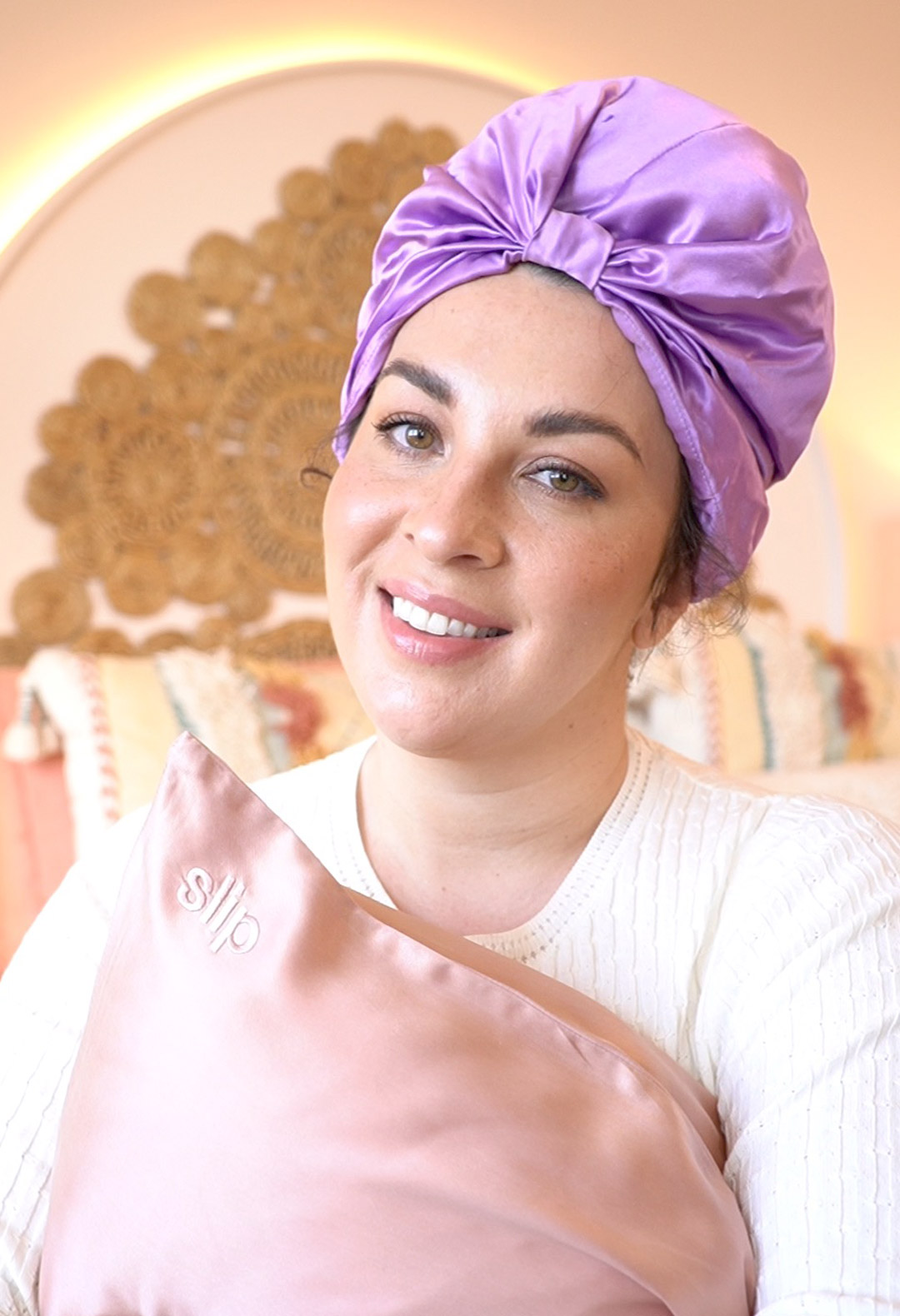
5. Silk Or Satin Bonnet For Maximum Protection
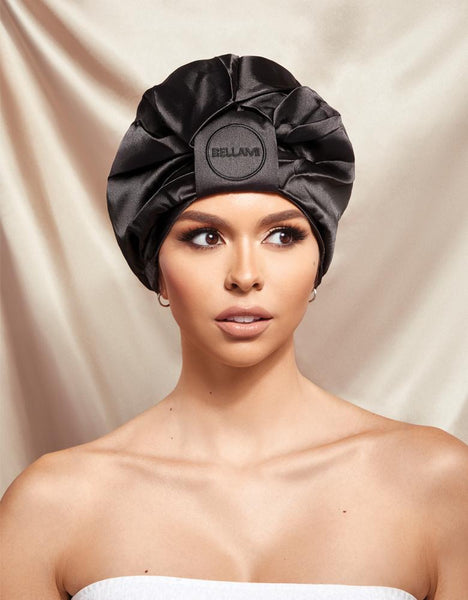
If you prefer not to braid or bun your hair, a silk or satin bonnet is essential. These materials drastically reduce friction and help retain moisture within the hair shaft.
Unlike cotton, silk does not absorb oils or roughen the cuticle. This makes bonnets one of the best defenses against overnight tangling and dryness, particularly for extensions from hair extensions collections designed for long-term wear.
For best results, pair a bonnet with gentle detangling before bed.

6. Silk Scarf Wrap Technique
A silk scarf wrap secures hair gently while allowing flexibility. It’s especially useful for layered hairstyles, shorter extensions, or individuals with sensitive scalps.
This technique also protects chemically processed hair, making it a smart choice for anyone following restorative routines like those described in how to remove hair dye from hair without damage.
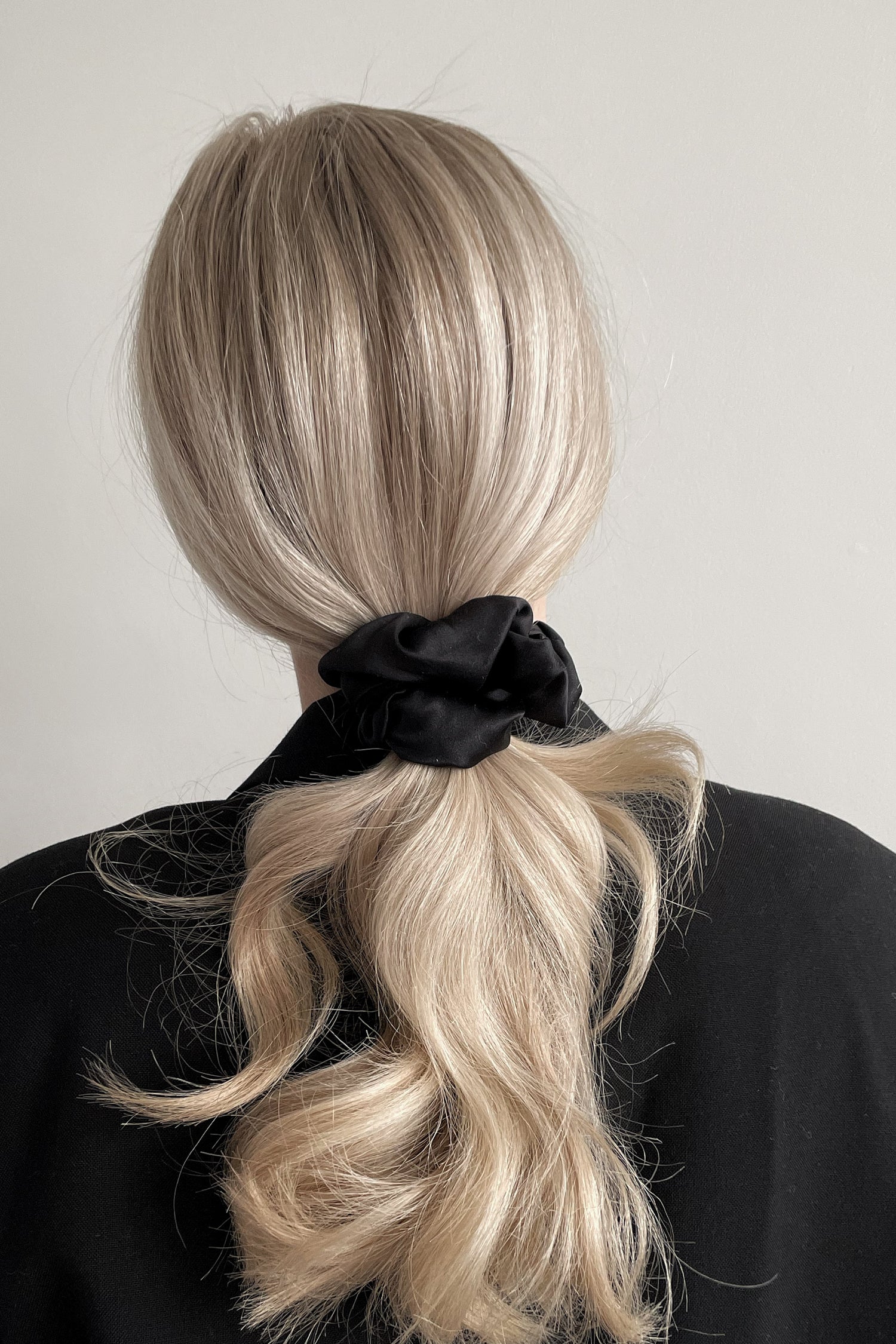
7. Loose Ponytail With A Silk Scrunchie
A loose ponytail placed low or mid-head can be protective if done correctly. The ponytail should never be tight or pulled taut.
This style works best when combined with proper detangling habits learned from how to select the best brush for your hair type, ensuring minimal shedding and reduced stress at the roots.


Additional Nighttime Habits That Protect Hair Extensions
Protective hairstyles work best when paired with smart nighttime habits:
• Never sleep with wet extensions
• Always detangle gently before bed
• Avoid tight styles that pull on bonds or clips
• Use silk or satin pillowcases as added protection
• Keep attachment areas dry and tension-free
These small steps significantly reduce damage and extend the life of your extensions.
Common Nighttime Mistakes To Avoid
• Sleeping with loose, unprotected hair
• Using cotton pillowcases
• Applying heavy oils before bed
• Tight braids or buns
• Ignoring tangles before sleep
Correcting these habits alone can dramatically improve extension longevity.
Frequently Asked Questions About Sleeping With Hair Extensions
1. Can I sleep with hair extensions every night?
Yes. With proper protective hairstyles and fabrics, sleeping with extensions is safe.
2. Are braids better than buns for sleeping?
Both are effective. Braids reduce tangling, while buns minimize friction—choose what feels most comfortable.
3. Should clip-in extensions be removed before bed?
Yes. Clip-ins should be removed to avoid stress on natural hair and scalp.
4. Can tight hairstyles damage extensions overnight?
Absolutely. Tight styles increase tension at attachment points and shorten extension lifespan.
5. Are silk pillowcases necessary if I use a bonnet?
They provide an extra layer of protection and are highly recommended.
6. How often should I detangle extensions before bed?
Every night, gently, using the correct brush.
7. Is it safe to oil extensions before sleeping?
Light leave-ins are fine; avoid heavy oils that cause buildup.
8. Can sleeping damage extension bonds?
Yes, without protection. Loose styles reduce movement and stress.
9. Do satin scrunchies really make a difference?
Yes. They reduce friction and prevent breakage compared to regular elastics.
10. What is the best overall nighttime routine for extensions?
Gentle detangling, a loose protective style, silk fabrics, and consistent care.
11. Can I sleep on my side with extensions?
Yes, but use a bonnet or silk pillowcase to reduce friction.
12. How long do extensions last with proper nighttime care?
With good habits, high-quality extensions can last significantly longer.
Final Thoughts
Protective hairstyles aren’t optional when you wear hair extensions—they’re essential. The way you sleep determines how your hair looks, feels, and lasts. With the right styles, fabrics, and habits, you can wake up with smooth, tangle-free hair and preserve your investment effortlessly.
This guide is designed to help you build a sustainable nighttime routine that protects both your extensions and your natural hair—night after night.


