



Why Does My Scalp Itch With Hair Extensions? Fixes And Prevention


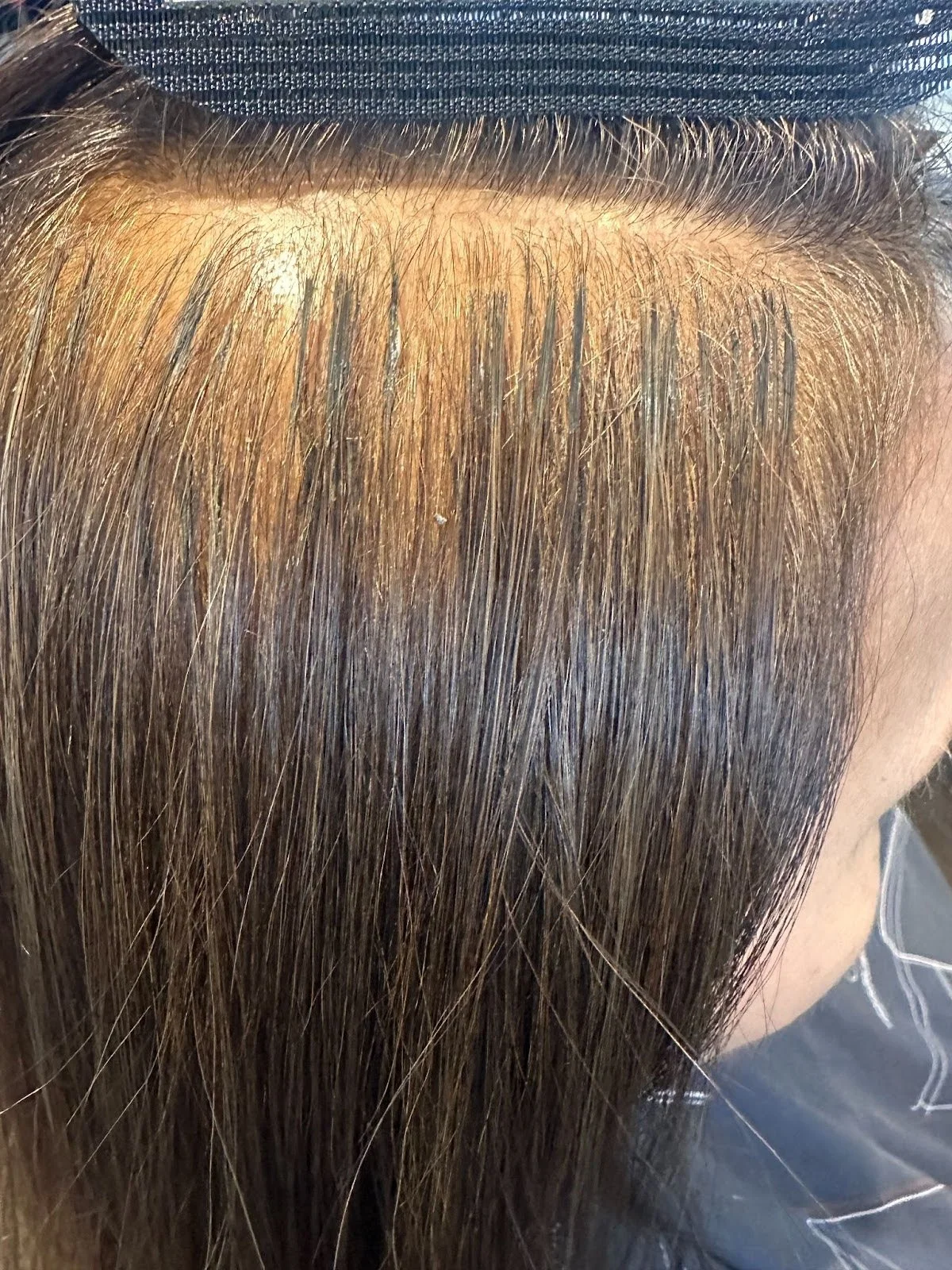

Introduction
Scalp itching after installing hair extensions is one of the most common—and most misunderstood—extension problems. Many people assume itching is normal, temporary, or something to “push through.” In reality, persistent itching is a signal that something in the installation, materials, scalp condition, or aftercare is incompatible with your scalp.
This guide explains exactly why scalp itching happens with hair extensions, how to stop it safely, and how to prevent it from returning. When addressed correctly, extensions should feel secure and forgettable—not irritating, painful, or distracting.
Causes And Context: Why Scalp Itching Happens With Extensions
The scalp is skin, not hair. It reacts to pressure, friction, chemicals, moisture imbalance, and microbial changes. Hair extensions amplify all of these factors at once.
The most common causes include excessive tension from tight installs, irritation from extension bases or adhesives, trapped product buildup, reduced airflow, and underlying scalp sensitivity aggravated by added weight.
Tight braids, bonds, beads, or tapes restrict micro-movement of the scalp. When the scalp cannot move naturally, inflammation follows—and itching is often the first symptom. Processing residues or coatings left on extensions can also irritate sensitive skin. Even a clean install can itch if airflow is blocked or the scalp becomes overly dry.
What To Choose And Why: Extension Decisions That Reduce Itching
The most effective prevention strategy is choosing scalp-friendly extensions from the start. Lightweight, breathable installs distribute weight evenly and allow airflow. Options from a hair extensions collection designed with balance and comfort in mind significantly reduce irritation risk.
Extensions should support the hair, not anchor tightly to the scalp. Adhesive systems require spacing to prevent occlusion. Clip-ins should never be worn continuously for multiple days. Texture matching also matters—extensions that fight your natural pattern increase friction and tension.
What Works Versus What Doesn’t For Itchy Scalps
What Works
• Lightweight installs with even spacing
• Reduced root tension
• Washing extensions before installation
• Minimal product near attachment points
• Gentle, regular scalp cleansing
What Doesn’t
• Ignoring persistent itching
• Tightening installs to increase longevity
• Heavy oils near bonds or tapes
• Overuse of dry shampoo at the scalp
• Aggressive scratching
If itching worsens after the first 24 hours, the setup is not scalp-compatible and needs adjustment.
Fixes That Provide Immediate Relief


Immediate relief starts by removing the trigger. Loosening tight sections or removing problematic pieces often resolves itching quickly. Cooling compresses help calm inflammation, while gentle extension-safe scalp cleansers reduce buildup without disturbing attachments.
Water-based soothing treatments applied directly to the scalp—not the hair—restore comfort. Heat should be avoided during flare-ups, as it increases blood flow and itching. If burning or pain accompanies itching, extensions should be removed immediately.
Common Mistakes That Make Itching Worse
The most damaging mistake is assuming itching is normal. Persistent itching is not a rite of passage—it is a warning. Masking symptoms with heavy sprays or oils traps debris and worsens irritation.
Leaving extensions installed too long without cleansing increases microbial imbalance. Many people delay action out of fear of ruining their hairstyle, but early intervention prevents more serious scalp stress. Medical guidance from the British Association of Dermatologists guidance on traction-related scalp irritation confirms that prolonged tension and inflammation increase the risk of shedding.
Prevention: How To Avoid Itching Before Your Next Install
Prevention begins before extensions touch the scalp. Dry, flaky, or sensitive scalps require lighter installs and shorter wear cycles. Extensions should always be washed and aired before installation.
Spacing must allow airflow, and aftercare should include gentle cleansing and product restraint. Many wearers reduce repeat issues by applying principles used in cap-friendly hairstyles that minimize scalp stress and adapting them to extension placement.
Understanding how strand flexibility affects tension—covered in hair elasticity fundamentals—also helps prevent root stress.
When Itching Signals A Bigger Problem
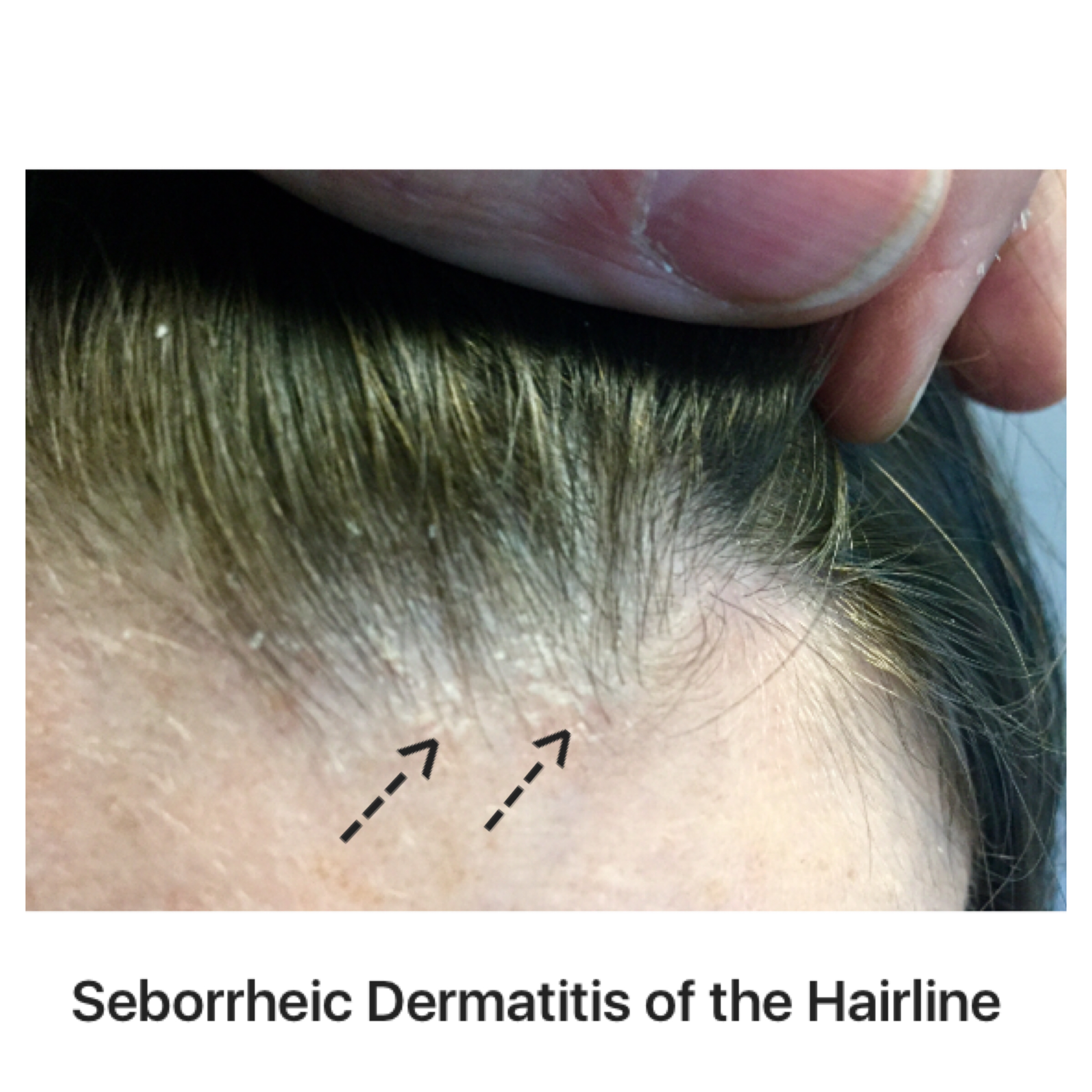

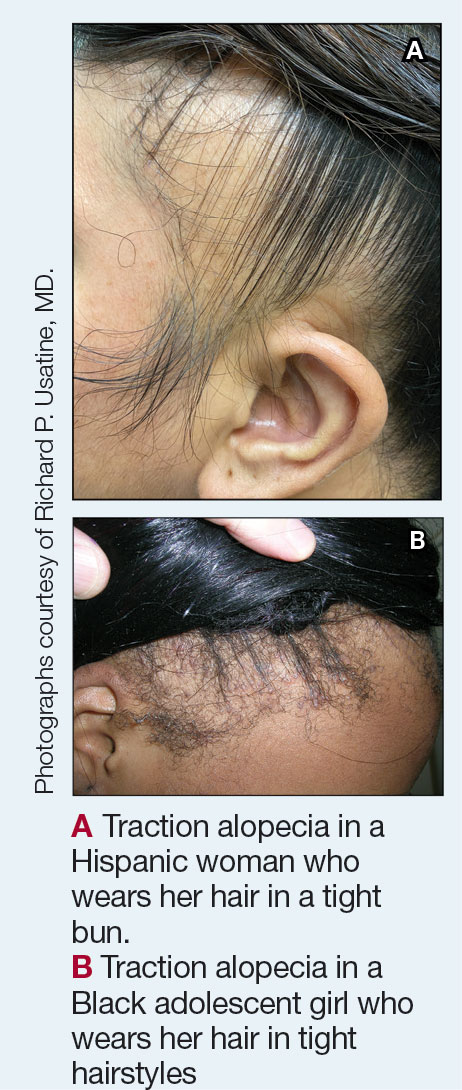
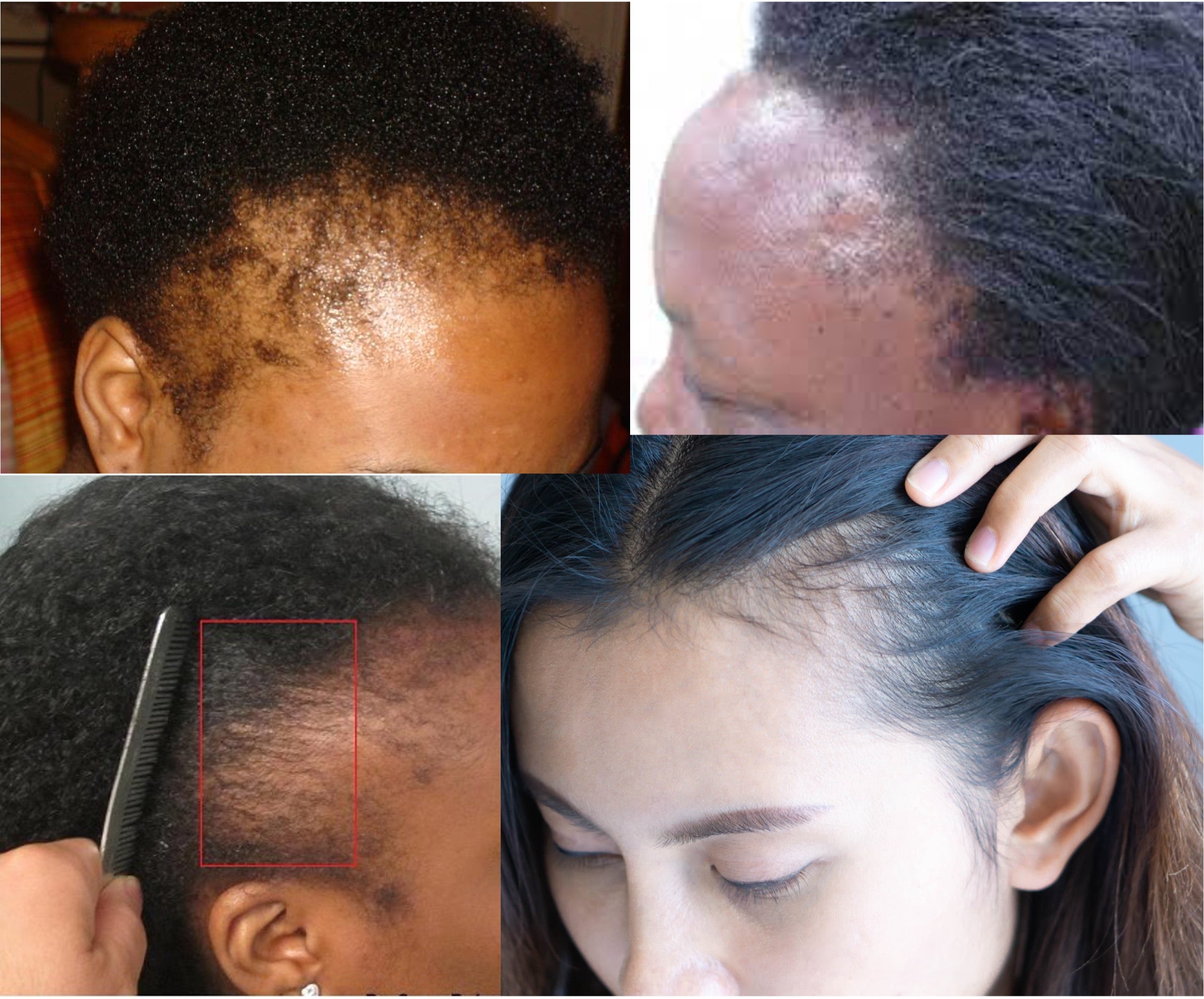
While most extension-related itching is mechanical, persistent symptoms may indicate contact dermatitis, inflammatory scalp conditions, or microbial imbalance.
Clinical guidance from the European Academy of Dermatology and Venereology on scalp inflammation and traction stress explains that ongoing irritation combined with tension can accelerate follicular damage. If itching persists after removal or includes redness, swelling, or scaling, medical evaluation is recommended before reinstalling extensions.
Final Takeaway
Scalp itching with hair extensions is not inevitable and should never be ignored. It is feedback telling you that something in the install, materials, or aftercare is incompatible with your scalp.
When extensions are chosen thoughtfully, installed with restraint, and maintained with scalp health in mind, they should feel secure and comfortable throughout wear. Relief comes from respecting the scalp as skin—not treating it as an afterthought.
Frequently Asked Questions
Is scalp itching normal after getting hair extensions?
Mild awareness may occur briefly, but persistent itching is not normal and indicates a problem.
How long should itching last after installation?
It should not worsen after the first day. Increasing itch signals incompatibility.
Can hair extensions cause hair loss if my scalp itches?
Yes. Chronic itching often signals tension or inflammation that can lead to traction-related shedding.
Are certain extension types better for sensitive scalps?
Yes. Lightweight, low-tension systems with proper spacing are best.
Should I oil my scalp if it itches with extensions?
No. Heavy oils trap debris and worsen irritation.
When should I seek professional or medical advice?
If itching persists after removal or becomes painful, professional or medical guidance is recommended.


