



How To Fix Dry Frizzy Hair Extensions: A Complete Guide
Introduction
Dry, frizzy hair extensions can turn even the most beautiful hairstyle into a daily struggle. Extensions that once looked smooth, shiny, and luxurious may begin to feel rough, appear dull, or tangle easily over time. This is a common experience, especially with frequent styling, washing, or exposure to heat and environmental stressors. Unlike natural hair, extensions do not receive nourishment from the scalp, which makes them far more vulnerable to dryness and frizz if they are not cared for properly. Whether you are wearing premium human hair extensions or synthetic styles, understanding why frizz happens and how to fix it can dramatically extend the life of your investment. This guide explains exactly how to repair dry, frizzy hair extensions, prevent future damage, and restore softness using proven, extension-safe methods. If you are using pieces from the hair extensions collection at https://www.fabulive.com/collections/hair-extensions, the following techniques will help you maintain salon-quality results for longer.
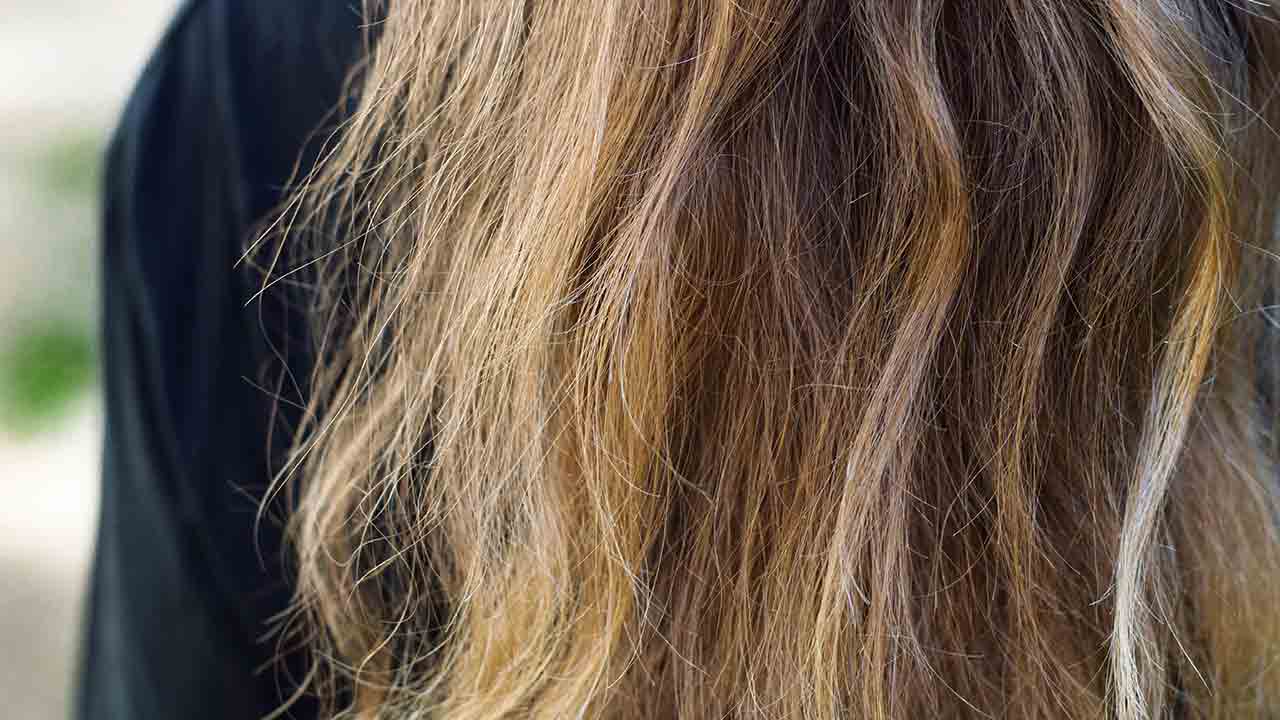
Why Hair Extensions Become Dry And Frizzy
Frizz in hair extensions is almost always a sign of moisture imbalance or cuticle damage. Human hair extensions are typically processed to achieve consistent color and texture, which strips some of the natural protective oils from the hair shaft. Over time, repeated washing, heat styling, sun exposure, and friction from clothing or pillowcases further roughen the cuticle, allowing moisture to escape and frizz to form. Synthetic hair extensions experience frizz differently. Synthetic fibers develop surface wear from friction and heat exposure, which causes the strands to lose smoothness and appear fuzzy or stiff. Ombre and lighter-colored extensions, such as ombre balayage human hair extensions at https://www.fabulive.com/products/ombre-balayage-human-hair-extensions, are particularly prone to dryness because lighter shades require more processing. Understanding the root cause of frizz is essential before attempting to fix it.
Identifying The Type Of Hair Extensions You Have
Before applying any treatment, it is crucial to identify whether your extensions are human hair or synthetic. Human hair extensions respond well to moisture-based repair methods, masks, and gentle heat styling. Synthetic extensions, including products like https://www.fabulive.com/products/synthetic-wavy-ombre-blonde-clip-extension and https://www.fabulive.com/products/4pcs-clip-in-hair-extensions-long-wave-thick-synthetic-hairpieces, require non-heat, non-conditioning approaches because traditional hair products can weigh them down or cause buildup. Applying the wrong treatment to the wrong fiber type can worsen frizz rather than fix it.
How To Fix Dry Frizzy Human Hair Extensions
Restoring human hair extensions starts with hydration and cuticle smoothing. Begin by washing the extensions with a sulfate-free, moisturizing shampoo to remove residue without stripping moisture. Avoid scrubbing aggressively, as this raises the cuticle and increases frizz. Follow with a rich, extension-safe conditioner, focusing on mid-lengths and ends. Deep conditioning masks are essential for dry extensions and should be used every few washes to replenish lost moisture. After rinsing, gently squeeze out excess water and apply a lightweight leave-in conditioner or smoothing serum while the hair is damp. Allow extensions to air-dry whenever possible, as excessive heat accelerates dryness. If heat styling is necessary, always use a heat protectant and low to medium temperatures. Over time, consistent moisture restores softness and shine while reducing frizz significantly.
Reviving Severely Dry Or Overprocessed Extensions
If extensions feel brittle, straw-like, or excessively tangled, they may be severely dehydrated. In these cases, a protein-free deep conditioning treatment followed by a hydrating mask can help rebalance moisture. Avoid protein-heavy products, as overprocessed extensions already lack flexibility and protein can make them feel stiff. Silicone-based serums can temporarily smooth frizz by sealing the cuticle, but they should be used sparingly and washed out regularly to prevent buildup. For extensions that remain unmanageable despite treatment, trimming damaged ends may be necessary to restore a healthier appearance.
How To Reduce Frizz In Synthetic Hair Extensions
Synthetic hair extensions require a completely different approach. Because synthetic fibers do not absorb moisture like natural hair, conditioners and oils should not be applied. Instead, frizz reduction relies on surface smoothing. Detangle gently using a wide-tooth comb or fingers, starting from the ends and working upward. A fabric softener and water spray, used sparingly, can help soften synthetic fibers and reduce static. Steaming synthetic extensions at a safe distance can relax frizz and smooth strands, but direct heat tools should only be used if the fibers are labeled heat-resistant. Proper storage, such as keeping extensions flat or on a hanger, also minimizes friction-related frizz.

Daily Habits That Cause Extension Frizz
Many cases of frizz are caused by daily habits rather than product choice. Overwashing strips moisture from human hair extensions and accelerates dryness. Washing extensions only when necessary preserves their integrity. Sleeping without protective measures increases friction, especially against cotton pillowcases. Using silk or satin pillowcases or storing extensions before bed dramatically reduces frizz. Brushing extensions while dry and tangled can also cause breakage and roughness. Gentle detangling with the right tools prevents unnecessary damage.
Preventing Frizz Before It Starts
Prevention is always easier than repair. Using extension-safe products, limiting heat styling, and maintaining a consistent care routine keep extensions smooth and manageable. Educational resources such as https://www.fabulive.com/blogs/news/understanding-and-preventing-common-hair-extension-mistakes explain why improper care shortens extension lifespan. Choosing high-quality extensions and understanding their construction, as outlined in https://www.fabulive.com/blogs/news/understanding-the-science-behind-different-kinds-of-hair-extensions, also plays a major role in long-term performance.
Styling Dry Or Frizzy Extensions Safely
Styling can either hide or worsen frizz depending on technique. Loose waves, braids, and low-tension styles minimize friction and showcase texture naturally. Glossing serums applied sparingly enhance shine without weighing hair down. Avoid tight ponytails or repeated heat passes, which stress the hair shaft. For decorative looks or special occasions, inspiration from https://www.fabulive.com/blogs/news/unleashing-the-glittering-charm-in-your-hair shows how styling accents can elevate extensions without over-manipulation.
Psychological Impact Of Healthy-Looking Hair
Hair plays a powerful role in self-image and confidence. Dry, frizzy extensions can feel frustrating and discouraging, while smooth, healthy-looking hair boosts confidence instantly. Articles like https://www.fabulive.com/blogs/news/unveiling-the-psychology-behind-hair-transformation-beyond-a-new-look highlight how hair transformations influence emotional well-being, making proper extension care more than just a cosmetic concern.
Trend Awareness And Extension Care
Fashion-forward styling often pushes extensions to their limits. Red carpet trends, such as those explored in https://www.fabulive.com/blogs/news/unveiling-the-top-hair-trends-from-met-gala-2024, rely on pristine hair texture to achieve impact. Maintaining smooth, frizz-free extensions ensures trend-inspired styles look intentional rather than messy. Even creative or character-inspired hair designs, discussed in https://www.fabulive.com/blogs/news/unveiling-the-tresses-a-comprehensive-guide-to-animated-characters-and-their-iconic-hair-extensions, depend on healthy-looking fibers for visual clarity.
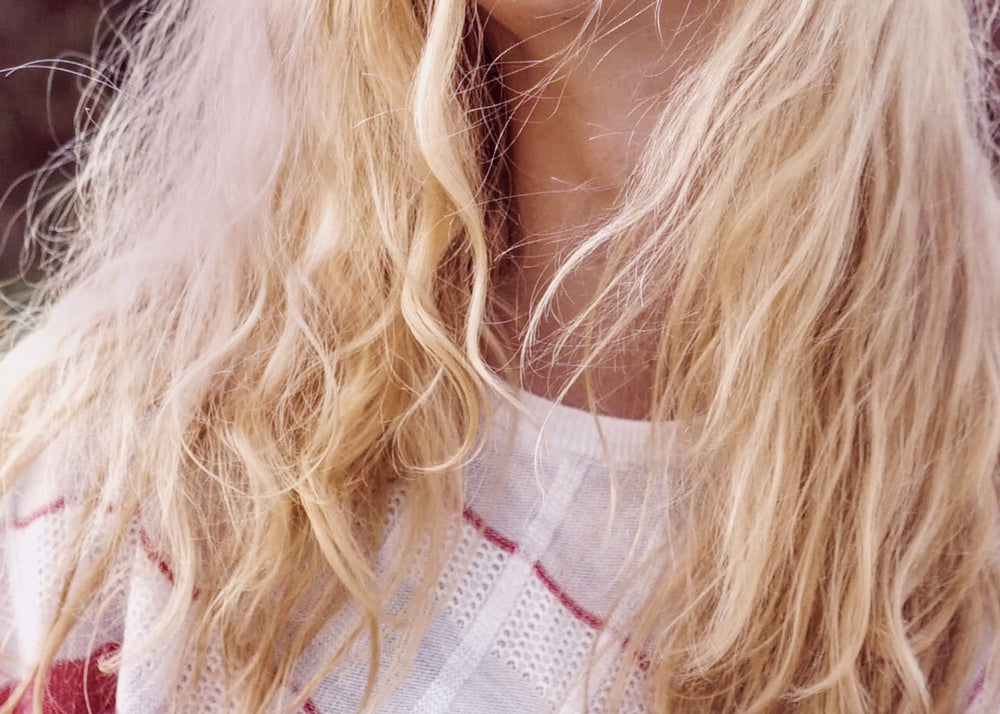
When Frizz Means It’s Time To Replace Extensions
Despite best efforts, some extensions reach the end of their usable life. If hair remains rough, sheds excessively, or tangles immediately after detangling, replacement may be more cost-effective than continued repair. Recognizing this point prevents frustration and allows you to enjoy consistently polished results with new extensions.
Conclusion
Fixing dry, frizzy hair extensions is entirely possible with the right knowledge, products, and habits. Understanding your extension type, restoring moisture appropriately, minimizing daily damage, and committing to preventative care can dramatically improve texture and appearance. Human hair extensions thrive on hydration and gentle handling, while synthetic extensions require careful surface smoothing and friction control. By following these strategies, you can restore softness, shine, and manageability while extending the life of your extensions. Healthy-looking hair not only enhances your style but also reinforces confidence, making proper extension care an essential part of your beauty routine.