



Hair Elasticity 101: Why Is My Hair Stretchy?
Hair that stretches excessively, feels gummy when wet, or snaps instead of returning to its original shape signals a structural imbalance. Hair elasticity is one of the most important—and most misunderstood—indicators of hair health. When elasticity is optimal, hair stretches slightly and rebounds. When it is compromised, hair either breaks instantly or stretches until it fails.
This CORE ASSET explains what hair elasticity actually is, why hair becomes overly stretchy, how to read your hair’s signals accurately, what truly works versus what worsens the problem, and how to restore balance without causing further damage. This is not a product list or a quick fix. It is a decision-driven guide designed to help you respond intentionally rather than react emotionally.

Causes And Context: What Hair Elasticity Really Means
Hair elasticity refers to the hair fiber’s ability to stretch and return to its original length without breaking. This ability is controlled by the internal protein structure of the hair cortex and its relationship with moisture. Healthy hair stretches slightly when wet and springs back. Hair that stretches too far and feels rubbery is usually structurally weakened or over-softened. Hair that snaps immediately often lacks flexibility.
Elasticity issues develop gradually through chemical processing, repeated heat exposure, mechanical stress, and inconsistent care routines. They are rarely the result of a single product or one bad styling day. Understanding elasticity means understanding balance—not choosing sides between protein and moisture.
What To Choose And Why


Restoring elasticity requires calm, evidence-based decisions.
Choosing Balance Over Extremes
Many elasticity problems worsen because of overcorrection. Stretchy hair often causes people to eliminate moisture entirely or overload heavy protein treatments. Both approaches destabilize the hair fiber. Hair requires protein for structure and moisture for flexibility. Removing either increases the risk of breakage.
For women who style frequently or wear hair extensions, emotional reactions to hair changes often drive aggressive routines. This pattern is explored in the psychology of hair extensions a deep dive into how they influence your mood and behavior, where appearance-related anxiety can lead to over-treating hair instead of observing it objectively. Elasticity recovery improves when decisions are based on hair behavior, not stress.
Choosing Care Based On Hair Behavior
Elasticity should always be assessed when hair is wet. Wet hair that stretches and fails to rebound signals internal weakness. Dry hair that snaps easily usually lacks moisture or flexibility. Responding correctly prevents further damage and shortens recovery time.
Appearance changes—whether through styling or extensions—also influence confidence, which can affect how people treat their hair. Understanding this connection, as discussed in the psychology of hair extensions how a new look can boost confidence, explains why some women push their hair too hard during recovery phases. Confidence should support patience, not pressure.
What Works Vs What Doesn’t


Correcting elasticity requires restraint and consistency.
What Works
What works is gradual rebalancing. Light protein treatments used at appropriate intervals reinforce the hair shaft without creating stiffness. Pairing protein with adequate hydration restores flexibility. Reducing heat and chemical exposure allows damaged bonds to stabilize. Gentle handling—especially when hair is wet—prevents additional mechanical stress.
Predictable routines matter more than intensive treatments. Hair responds better to consistency than constant product switching.
What Doesn’t
What does not work is panic correction. Heavy protein masks used too frequently cause brittleness. Continuous deep conditioning without structure worsens stretchiness. Aggressive detangling, brushing wet hair forcefully, or rapidly cycling products interrupts recovery. Elasticity improves through observation and adjustment, not force.
Common Mistakes Women Make
One of the most common mistakes is misdiagnosing elasticity issues. Stretchy hair is often mistaken for healthy flexibility when it is actually weakened. Another mistake is ignoring mechanical stress—tight styles, repeated friction, and over-manipulation quietly degrade elasticity over time.
Chemical history is also underestimated. Past coloring, relaxing, or excessive heat continues to affect elasticity long after visible results fade. Attempting to fix elasticity in one wash or one week almost always backfires. Recovery is cumulative and requires patience.
Hair Structure And Scientific Insight
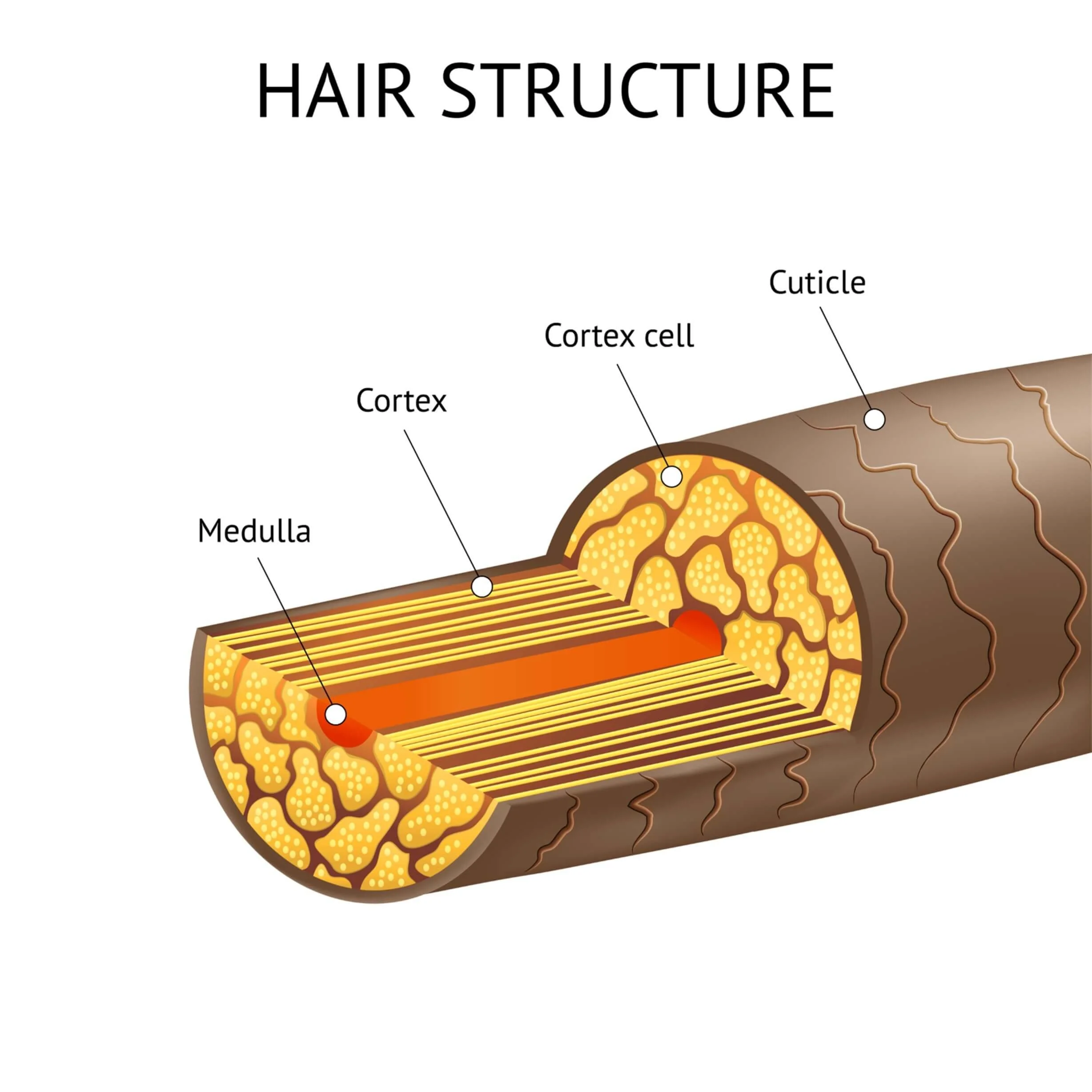

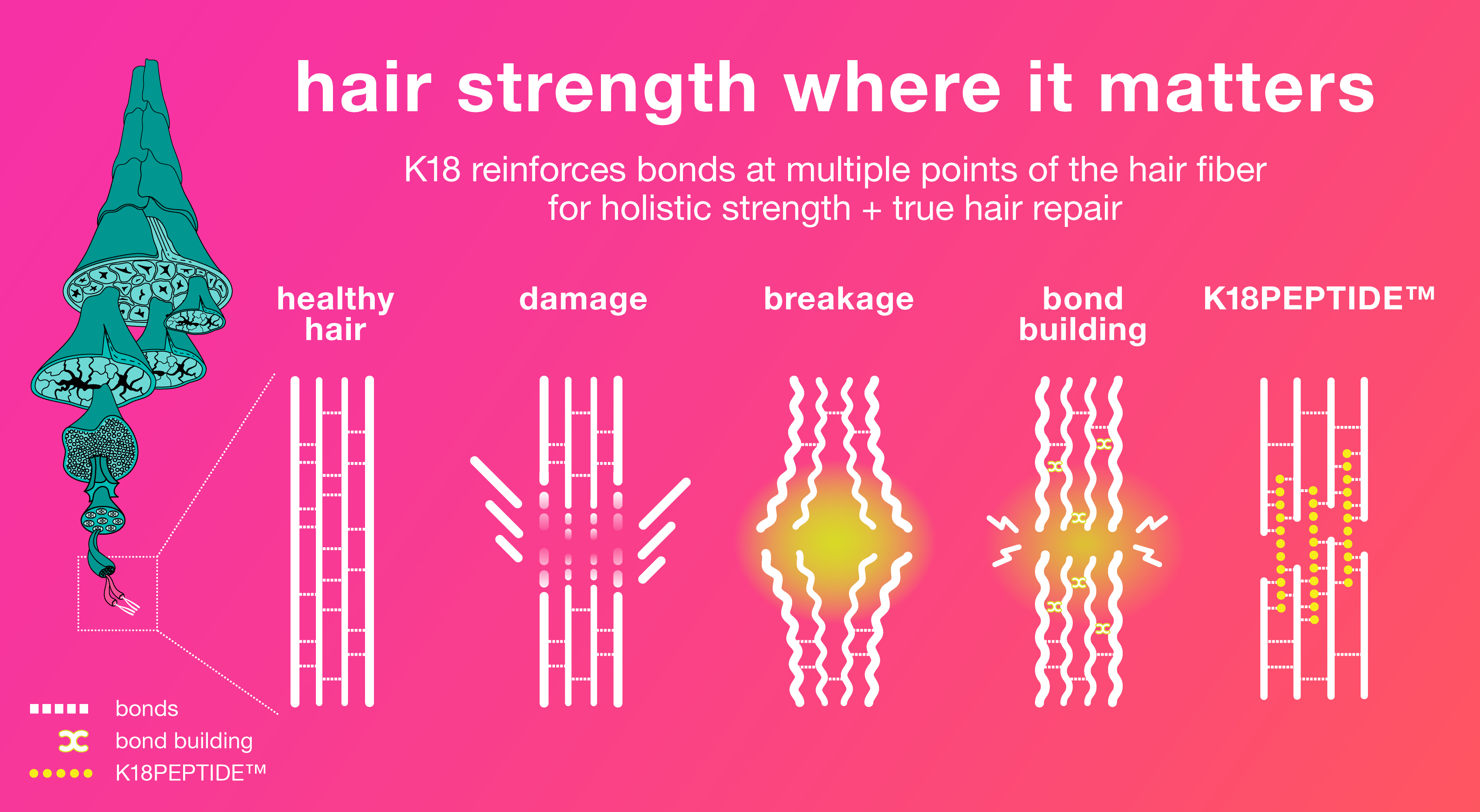
Hair elasticity is measurable at the fiber level. Scientific research shows that chemical processing and repeated stress alter internal keratin bonds, reducing the hair’s ability to recover after stretching. This reinforces why elasticity issues require balance, time, and controlled care rather than aggressive intervention.
Mechanical stress—including tension from styling or enhancements—can amplify elasticity problems when hair is already compromised. Awareness of this interaction helps prevent setbacks during recovery.
Final Takeaway
Hair elasticity is a diagnostic signal, not a flaw. Stretchy hair is asking for structure. Brittle hair is asking for flexibility. The solution is never extreme—it is balance. When protein, moisture, and handling habits align, elasticity improves naturally. Listening to how your hair responds over time leads to stronger, healthier strands that behave as they should.
Frequently Asked Questions
Is stretchy hair always damaged?
Not always, but excessive stretch without rebound usually indicates structural imbalance.
Should I stop moisturizing if my hair feels gummy?
No. Temporarily reduce excess moisture and reintroduce structure gradually.
How long does it take to fix elasticity issues?
Usually several weeks with consistent, balanced care.
Does heat affect hair elasticity?
Yes. Heat weakens protein bonds over time.
Can styling habits worsen elasticity?
Yes. Repeated tension, friction, and over-manipulation accelerate damage.
Is protein safe for all hair types?
Yes, when used in appropriate amounts and intervals.
